Unlock the Secret of Silgonyaknaengpaseuta: Authentic Flavors from South Korea’s MFDS Data
🇰🇷 The recipe below is based on official Korean MFDS (Ministry of Food and Drug Safety) data.
Looking for a light, refreshing, and genuinely nutritious Korean meal? This comprehensive guide reveals how to make Silgonyaknaengpaseuta (Thread Konjac Cold Pasta), a delightful dish perfect for warm weather or a health-conscious lifestyle. This authentic Silgonyaknaengpaseuta recipe, meticulously based on official MFDS (Ministry of Food and Drug Safety) data, ensures both delicious taste and reliable nutritional information. Discover its unique ingredients, step-by-step preparation, and expert tips to master this incredibly low-calorie Korean culinary gem.
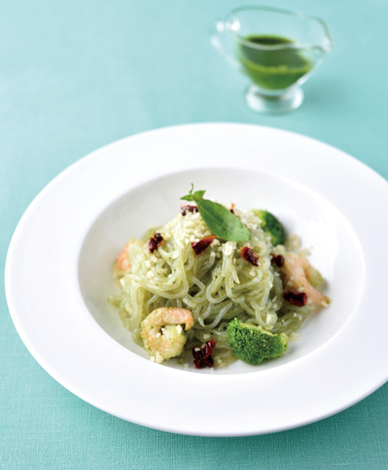
**Nutrition**
This detailed nutrition information is based on official MFDS (Ministry of Food and Drug Safety) data per single serving (approximately 395g):
Calories: 117.8 kcal | Protein: 10.5 g | Total Fat: 4.2 g | Carbohydrates: 10.1 g | Sodium: 150 mg | Dietary Fiber: 3.0 g
Silgonyaknaengpaseuta is remarkably low in calories and an excellent choice for a health-conscious diet. It efficiently delivers essential nutrients from its fresh shrimp and vibrant vegetables, making it a guilt-free yet satisfying meal.
**History**
While the concept of cold pasta is embraced globally, the incorporation of konjac noodles in Korean cuisine introduces a distinct, health-focused innovation. Konjac, or ‘gonyak,’ has been utilized in various Asian culinary traditions for centuries, highly valued for its exceptional fiber content and virtually zero calories. Silgonyaknaengpaseuta beautifully exemplifies a modern fusion, skillfully blending the traditional low-calorie konjac with accessible, Western-inspired pesto and pasta elements. This dish effectively caters to a growing contemporary demand for lighter, yet intensely flavorful Korean meals, truly showcasing Korea’s innovative culinary spirit in adapting healthy ingredients into profoundly refreshing dishes.
**Ingredients**
To prepare your very own authentic Silgonyaknaengpaseuta, gather these fresh and high-quality ingredients. This meticulously measured recipe yields one satisfying serving.
Main Ingredients:
* Silgonyak (Thread Konjac Noodles): 150g (thoroughly rinsed and carefully drained)
* Cocktail Shrimp: 100g (ensure they are peeled, deveined, and pre-cooked for convenience)
* Broccoli: 100g (use fresh florets, briefly blanched to tender-crisp perfection)
* Fresh Basil Leaves: 5g (finely chopped or whole, for aromatic freshness)
* Lemon Juice: 15g (freshly squeezed for the best zesty flavor)
For the Pesto Sauce:
* Pine Nut Basil Pesto: 15g (can be store-bought for ease, or homemade for extra richness)
* Garlic Oil: 15g (either prepared at home or a quality infused olive oil)
* Sun-Dried Tomatoes: 10g (finely chopped to distribute their intense flavor)
Substitutes: If cocktail shrimp are unavailable, feel free to use regular shrimp, cut into appropriate bite-sized pieces. For a completely vegetarian or vegan option, simply omit the shrimp and enhance with sautéed mushrooms or firm tofu cubes.
**Tips for Perfect Silgonyaknaengpaseuta**
Here are some invaluable Mom’s tips for achieving the absolute best Silgonyaknaengpaseuta:
* **Thoroughly Rinse Konjac:** Konjac noodles can sometimes carry a distinct, earthy aroma. Rinse them diligently under cold running water for several minutes. Briefly blanching for 1-2 minutes in boiling water and then draining thoroughly will help neutralize any lingering odor.
* **Blanching Perfection:** When blanching broccoli florets, plunge them into an ice bath immediately after cooking. This crucial step halts the cooking process, preserving their vibrant green color and ensuring a delightful crisp texture.
* **Chilling is Key:** Remember, this is a cold pasta dish! It is imperative to ensure all individual ingredients, especially the prepared noodles and the rich pesto sauce, are thoroughly chilled before tossing. This significantly enhances the overall refreshing experience and flavor profile.
**Steps to Make Silgonyaknaengpaseuta**
Follow these precise and easy-to-follow steps to create your delicious Silgonyaknaengpaseuta masterpiece.
1. Prepare Silgonyak: Rinse 150g of Silgonyak noodles thoroughly under cold water. Briefly blanch for 1-2 minutes in boiling water, then drain completely and rinse again with fresh cold water. Set aside to chill completely.
2. Cook Shrimp and Broccoli: Blanch 100g of broccoli florets in boiling water for 1-2 minutes until they are tender-crisp. Immediately transfer them to an ice bath to stop cooking, then drain well. Cook 100g of cocktail shrimp until they turn pink and opaque, typically 2-3 minutes. Set aside to cool.
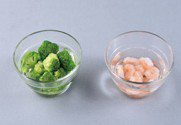
3. Prepare Sauce: In a small mixing bowl, combine 15g pine nut basil pesto, 15g garlic oil, and 10g finely chopped sun-dried tomatoes. Mix all components well until they are thoroughly and smoothly combined.
4. Assemble the Pasta: In a large mixing bowl, gently combine the thoroughly chilled Silgonyak noodles, the cooled cooked shrimp, the blanched broccoli, 5g fresh basil leaves, and 15g fresh lemon juice.
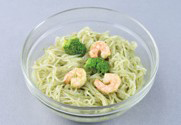
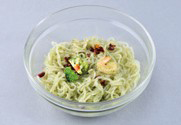
5. Dress and Serve: Pour the exquisitely prepared pesto sauce over the assembled ingredients. Gently toss everything together until the noodles and vegetables are uniformly and beautifully coated with the sauce. Serve immediately in a beautifully chilled bowl for the ultimate refreshing experience.
**FAQ**
Q: Can I prepare Silgonyaknaengpaseuta ahead of time?
A: You absolutely can prepare the individual components (the konjac noodles, shrimp, broccoli, and the pesto sauce) in advance and store them separately in airtight containers in the refrigerator. However, for optimal freshness, flavor, and delightful texture, it’s highly recommended to assemble and dress the pasta just before you intend to serve it.
Q: Is Silgonyaknaengpaseuta suitable for a low-carb diet?
A: Yes, indeed! Silgonyak (konjac) noodles are exceptionally low in carbohydrates, which makes Silgonyaknaengpaseuta an outstanding choice for individuals adhering to a low-carb or ketogenic diet. The overall carbohydrate count in this dish primarily originates from the natural sugars in the vegetables and the modest amounts present in the sauce components.
📸 Recipe Gallery
📺 For reference, here’s a recommended YouTube video related to “실곤약냉파스타”.
📹 Video sourced via YouTube. All rights belong to the respective creator.