Why Sogogi Muguk Is Korea’s Soul Food: Full Recipe, Nutrition & Cultural History
🇰🇷 The recipe below is based on official Korean MFDS (Ministry of Food and Drug Safety) data.
This guide to making authentic Sogogi Muguk (Korean Beef and Radish Soup) is based on official MFDS (Ministry of Food and Drug Safety) data, ensuring precise measurements and reliable nutritional information. Learn how to make Sogogi Muguk, a comforting and healthy staple in Korean cuisine, perfect for any meal. This detailed recipe provides everything you need to recreate this beloved dish.
Mom’s Tips for Perfect Sogogi Muguk
- **Radish Prep:** For a milder flavor and softer texture, slice the mu (radish) thinly and soak it in cold water for about 10 minutes before cooking. This helps remove bitterness and ensures even texture.
- **Flavor Base:** When sautéing the beef, ensure it browns slightly. This caramelization creates a deeper, more robust umami base, enriching the final broth.
- **Gentle Simmer:** After adding water, allow the soup to simmer gently for at least 15-20 minutes with the lid on. This slow cooking helps the radish absorb the beef flavor and become exquisitely tender, yielding an incredibly flavorful broth.
The Enduring History of Sogogi Muguk
Sogogi Muguk holds a cherished place in Korean culinary history as a quintessential home-style dish. Known for its clear, refreshing broth and tender ingredients, it has been a comforting staple enjoyed by generations. Often prepared for family gatherings, during cold weather, or simply as an everyday meal, its simplicity belies its profound nourishing qualities. This soup embodies the philosophy of using fresh, natural ingredients to create a hearty yet light and profoundly satisfying dish.
Sogogi Muguk Nutrition Facts
Based on official MFDS data, a single serving of Sogogi Muguk provides:
- **Calories:** 46.5 kcal
This dish is a light and nutritious option, providing essential nutrients without excessive calories, and is naturally low in fat.
Authentic Sogogi Muguk Ingredients
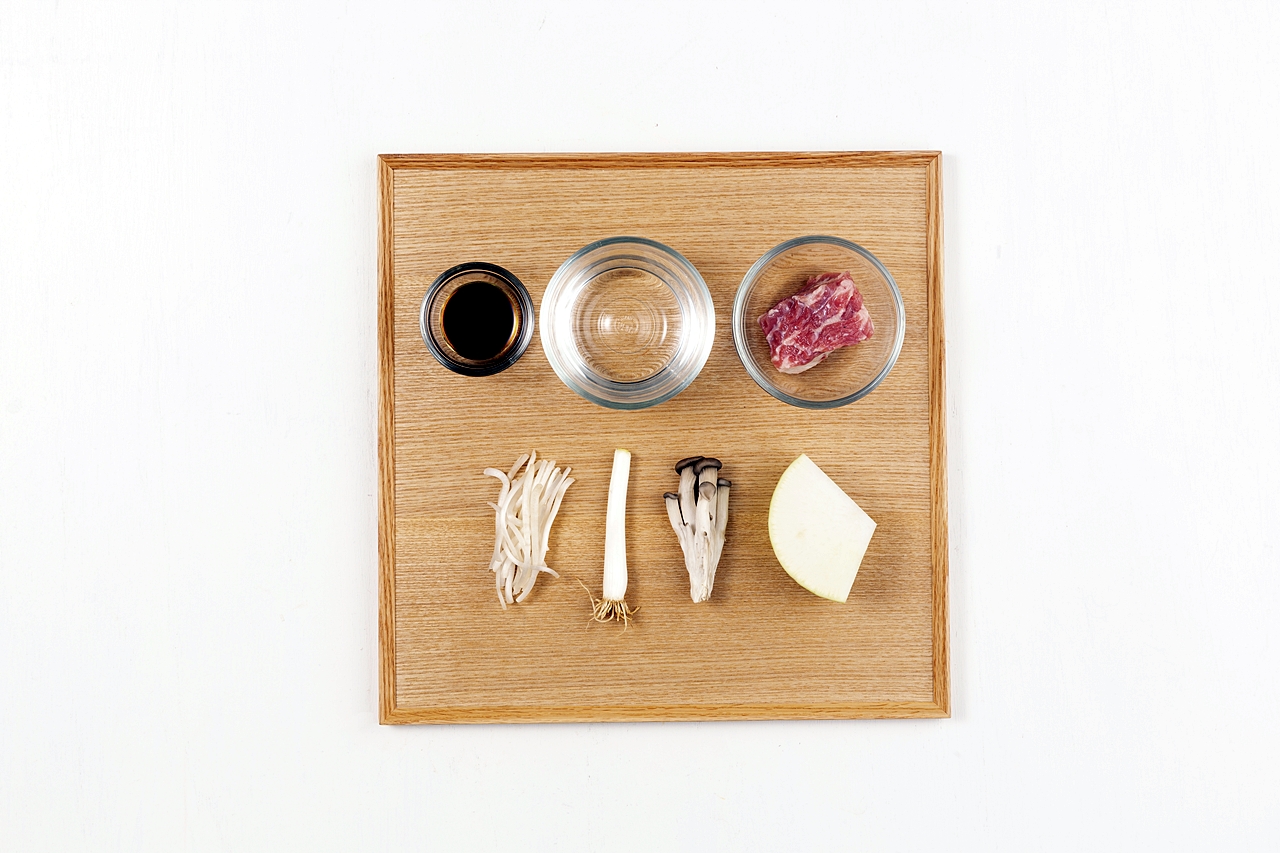
To prepare a single serving of this traditional soup, you will need:
- Beef (Sogogi): 14g, thinly sliced (brisket or stew beef works well)
- Radish (Mu): 15g, peeled and thinly sliced or julienned
- Green onion (Pa): 3g, chopped
- Oyster mushroom (Neutari Beoseot): 5g (or substitute with shiitake or enoki mushrooms)
- Bean sprouts (Sukju): 5g, rinsed
- Low-sodium soy sauce (Jeoyeom Ganjang): 10g (adjust to taste; regular soy sauce can be used)
- Water (Mul): 150g
How to Prepare Sogogi Muguk
Follow these steps for a delicious and authentic bowl:
- **Prepare Ingredients:** Slice the beef thinly. Peel the radish (mu) and cut it into thin, bite-sized pieces or matchsticks. Chop the green onion (pa). Rinse the bean sprouts (sukju) and oyster mushrooms (neutari beoseot).
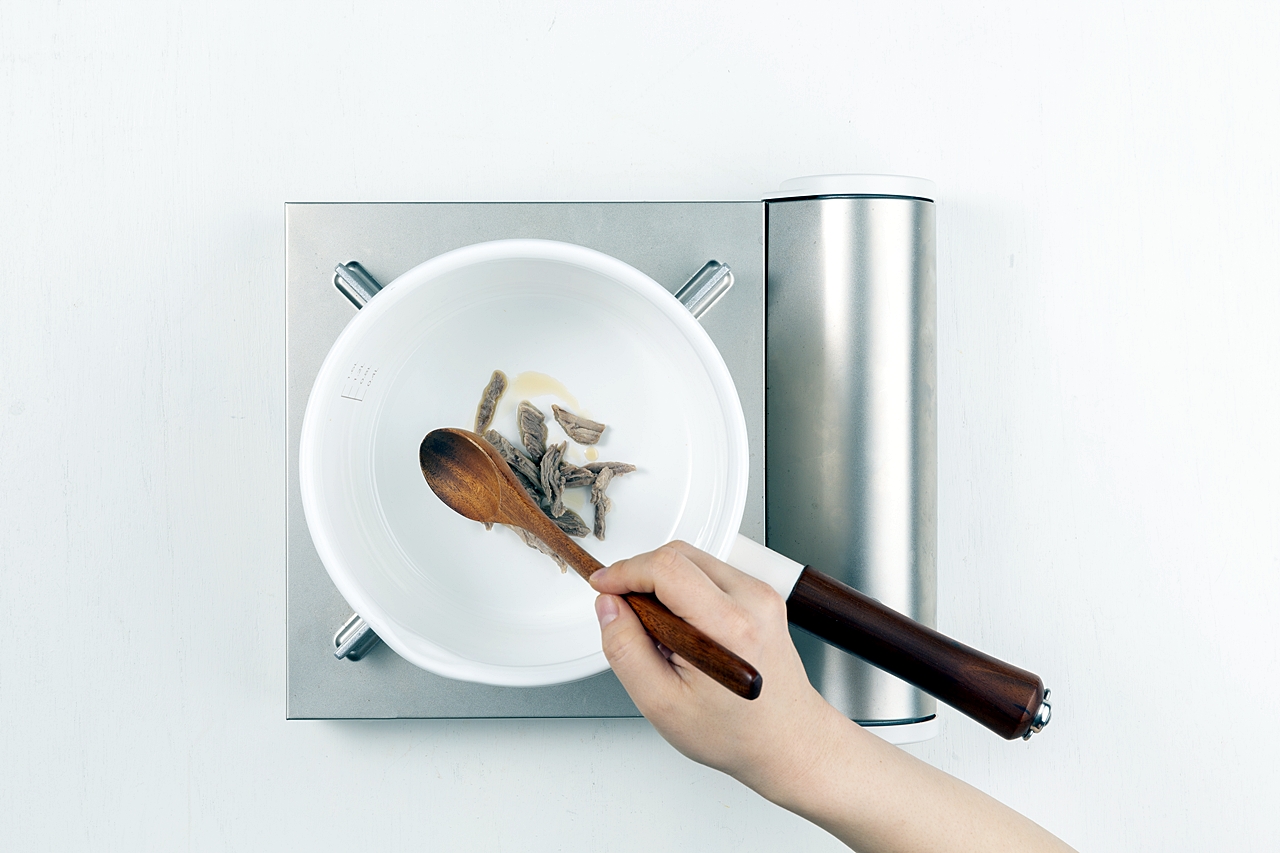
- **Sauté Beef and Radish:** In a small pot over medium heat, add a tiny amount of oil (optional) and sauté the beef until lightly browned. Add the sliced radish and continue to sauté for 2-3 minutes until the radish becomes slightly translucent.
- **Add Water and Simmer:** Pour 150g of water into the pot. Bring to a boil, then reduce heat to low, cover, and simmer for 15-20 minutes, or until the radish is tender.
- **Add Remaining Vegetables and Season:** Add the oyster mushrooms and bean sprouts to the pot. Stir in 10g of low-sodium soy sauce. Continue to simmer for another 5 minutes, or until the vegetables are cooked through. Taste and adjust seasoning if necessary.
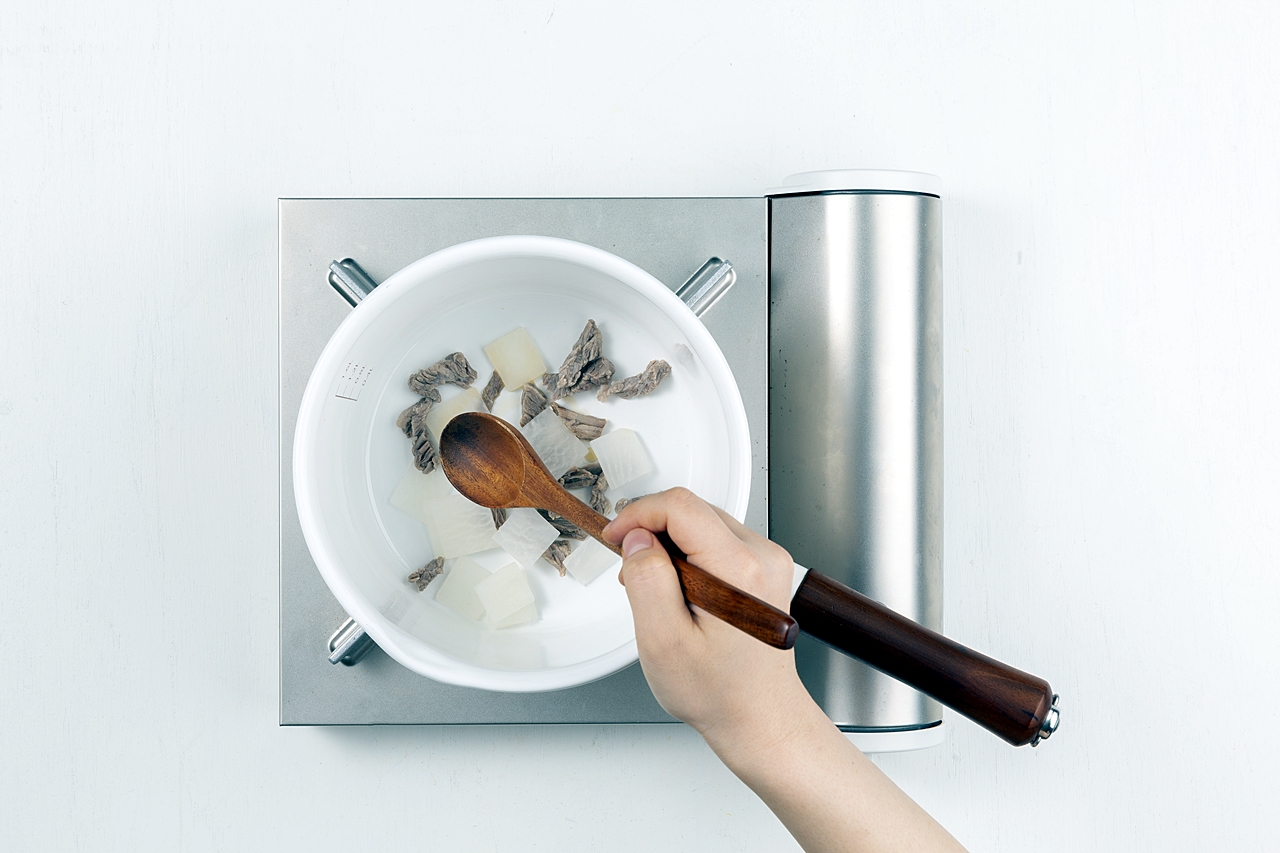
- **Finish and Serve:** Stir in the chopped green onion just before serving. Ladle the hot Sogogi Muguk into a bowl and serve immediately with rice and other Korean side dishes. Enjoy this comforting and nutritious soup.

Sogogi Muguk Frequently Asked Questions
**Q: What is Sogogi Muguk?**
A: Sogogi Muguk is a classic Korean soup made primarily with tender beef, Korean radish (mu), and a clear, savory broth, often seasoned with soy sauce and green onions. It’s cherished for its comforting, mildly sweet, and deeply umami flavor profile, a beloved staple in Korean home cooking.
**Q: Can I use different types of beef?**
A: While brisket or stew beef is traditionally preferred for its rich flavor and ability to tenderize beautifully, you can certainly use other cuts like chuck, thinly sliced sirloin, or even short rib meat. The key is to cut the beef into small, uniform pieces to ensure it cooks evenly and becomes tender quickly during the simmering process, contributing its full flavor to the broth.
📸 Recipe Gallery
📺 For reference, here’s a recommended YouTube video related to “소고기 무국”.
📹 Video sourced via YouTube. All rights belong to the respective creator.