Tomatochaesoseupeuwa Yeoneosobajjim Recipe: Everything You Need to Know About This Iconic Korean Dish
🇰🇷 The recipe below is based on official Korean MFDS (Ministry of Food and Drug Safety) data.
This guide is based on official MFDS (Ministry of Food and Drug Safety) data, providing an authentic and nutritious recipe for Tomatochaesoseupeuwa Yeoneosobajjim (Tomato Vegetable Soup with Steamed Salmon and Buckwheat Noodles). This delightful dish is a perfect example of modern Korean cuisine’s emphasis on balanced nutrition and fresh ingredients, offering a light yet satisfying meal. Learning how to make Tomatochaesoseupeuwa Yeoneosobajjim will introduce you to a healthy and flavorful experience.
### History and Cultural Context
While not a centuries-old traditional Korean dish, Tomatochaesoseupeuwa Yeoneosobajjim reflects a contemporary trend in Korean culinary culture: the growing demand for healthy, well-balanced meals. This dish showcases an innovative approach to incorporating global ingredients like tomatoes and salmon with staples like buckwheat noodles, all while adhering to principles of fresh, nutrient-dense cooking. It’s often featured in wellness programs and healthy eating guides, valued for its low-calorie count and rich vitamin content, making it a popular choice for those seeking nutritious and delicious options.
### Ingredients
This recipe uses precise measurements from official sources to ensure optimal taste and nutrition.
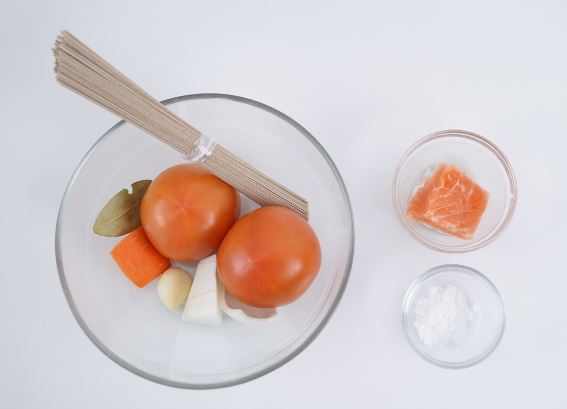
* Tomato: 356g (about 2 medium)
* Salmon: 100g (one fillet)
* Buckwheat Noodles (Memil Myeon): 70g
* Radish (Mu): 6g (thinly sliced or diced)
* Carrot: 6g (thinly sliced or diced)
* Garlic: 5g (minced)
* Onion: 6g (finely chopped)
* Bay Leaf: 2g (1-2 small leaves)
* Salt: 1g (adjust to taste)
* Water or Vegetable Broth: 400ml (for soup base)
**Substitutes:**
* For radish: A small amount of zucchini or daikon can be used.
* For salmon: Cod or another flaky white fish works well.
* Buckwheat noodles: Whole wheat pasta can be a substitute, though the flavor profile will differ slightly.
### Cooking Steps
Follow these steps to create your own delicious Tomatochaesoseupeuwa Yeoneosobajjim.
1. **Prepare Vegetables:** Wash and chop the tomatoes into large chunks. Finely mince the garlic and chop the onion. Dice the radish and carrot into small, uniform pieces for even cooking.
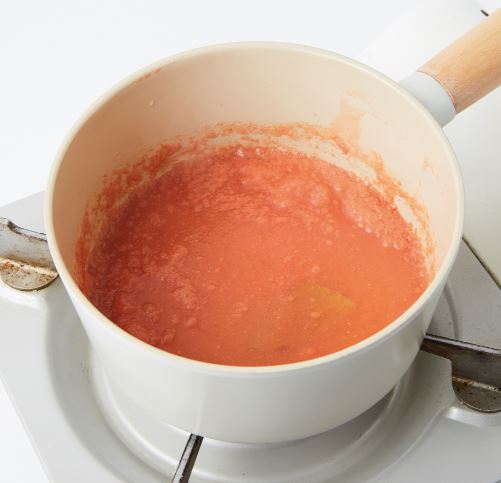
2. **Make the Tomato Vegetable Soup:** In a medium pot, heat a tiny amount of oil (optional) and sauté the minced garlic and chopped onion until fragrant, about 1-2 minutes. Add the chopped tomatoes, diced radish, and carrot. Pour in the water or vegetable broth and add the bay leaf. Bring to a boil, then reduce heat and simmer for 15-20 minutes, or until vegetables are tender and the flavors have melded. Season with 1g of salt.
3. **Steam the Salmon:** While the soup simmers, season the salmon fillet lightly with a pinch of salt. Place the salmon in a steamer basket over simmering water and steam for 8-10 minutes, or until cooked through and flaky. Alternatively, you can gently poach the salmon in the simmering soup during the last 5-7 minutes of cooking.
4. **Cook Buckwheat Noodles:** In a separate pot, bring water to a rolling boil. Add the buckwheat noodles and cook according to package instructions, usually 3-5 minutes, until al dente. Drain thoroughly and rinse briefly under cold water to prevent sticking.
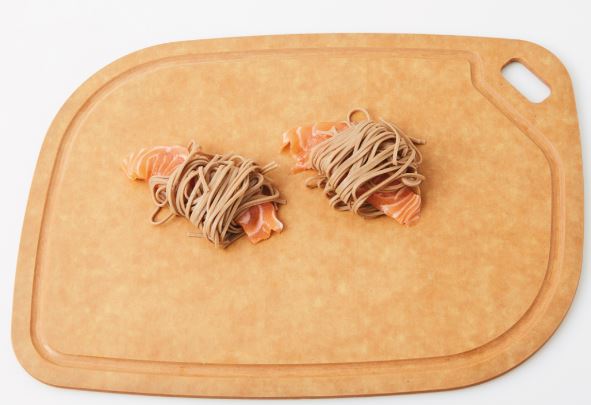
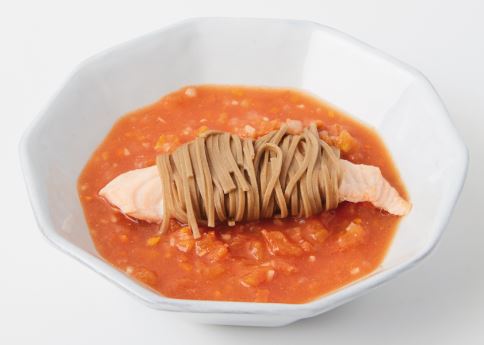
5. **Assemble and Serve:** Ladle the hot tomato vegetable soup into a serving bowl. Gently place the steamed salmon fillet on top of the soup. Add the cooked buckwheat noodles to the bowl, either submerged in the soup or alongside the salmon. Garnish with fresh herbs if desired. Serve immediately.
### Nutrition Information
Based on official MFDS data for one serving:
| Nutrient | Amount |
| :———- | :———- |
| Calories | 260 kcal |
| Carbohydrates | 38g |
| Protein | 20g |
| Fat | 4g |
| Sodium | 350mg |
This dish provides a robust nutritional profile, rich in protein from salmon and complex carbohydrates from buckwheat noodles, along with vitamins and fiber from the fresh vegetables.
### Mom’s Tips
* **Tomato Quality Matters:** For the best flavor, use ripe, juicy tomatoes. If fresh tomatoes are out of season, high-quality canned crushed tomatoes (without added sugar) can be a good substitute, adjusted for sweetness and acidity.
* **Salmon Doneness:** Be careful not to overcook the salmon. It should be tender and flaky, not dry. Steaming is an excellent method for retaining moisture and flavor. A good indicator is when the flesh easily separates with a fork.
* **Noodle Texture:** Buckwheat noodles can become mushy if overcooked. Keep an eye on them, and rinse them with cold water immediately after draining to stop the cooking process and maintain their pleasant chewiness.
### FAQ
**Q: Can I prepare parts of this dish in advance?**
A: Yes, you can chop all the vegetables and make the tomato soup base a day ahead. Store the soup refrigerated. Cook the salmon and noodles fresh just before serving for the best texture.
**Q: Is this dish suitable for meal prepping?**
A: While best served fresh, you can portion the soup and salmon separately. Cooked noodles tend to get soft when stored in liquid, so it’s best to cook them fresh or store them separately and add just before reheating and eating.
📸 Recipe Gallery
📺 For reference, here’s a recommended YouTube video related to “토마토채소스프와 연어소바찜”.
📹 Video sourced via YouTube. All rights belong to the respective creator.