Why Tomatososeu Aehobaknaengpaseuta Is Korea’s Soul Food: Full Recipe, Nutrition & Cultural History
🇰🇷 The recipe below is based on official Korean MFDS (Ministry of Food and Drug Safety) data.
This guide is based on official MFDS (Ministry of Food and Drug Safety) data and provides an authentic Tomatososeu Aehobaknaengpaseuta (Tomato Sauce Korean Zucchini Cold Pasta) recipe. If you’re looking for a refreshing, light, and delicious Korean cold pasta, this detailed guide on how to make Tomatososeu Aehobaknaengpaseuta will walk you through each step. This dish is a vibrant blend of fresh vegetables, a tangy tomato dressing, and a cooling sensation perfect for warmer days or as a healthy side. You’ll learn the precise ingredients, cooking techniques, and helpful tips to master this unique Korean specialty.
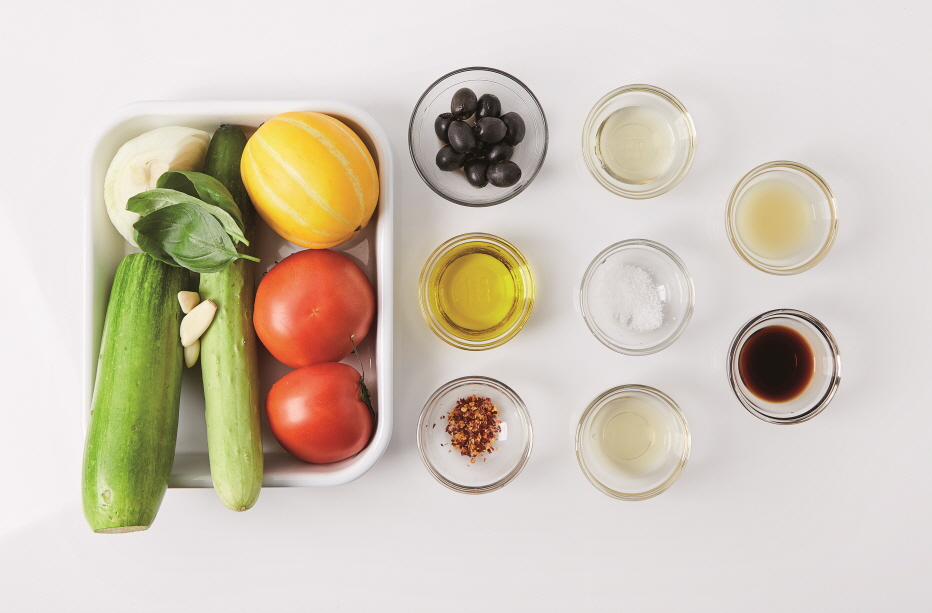
## Ingredients (Serves 2)
* **Tomatoes:** 2 medium
* **Chamoe (Korean Melon):** 1 small (substitute with honeydew or cantaloupe for a similar sweetness and texture)
* **Cucumber:** 1 medium
* **Onion:** ½ medium
* **Garlic:** 3 cloves, minced
* **Aehobak (Korean Zucchini):** 1 medium (substitute with regular zucchini)
* **Basil leaves:** 4 fresh leaves, finely chopped or julienned
* **Black Olive Powder:** A pinch, for garnish (optional)
* **Lemon juice:** 1 Tablespoon
* **Olive oil:** 5 Tablespoons
* **Salt:** 0.4 Tablespoons
* **Peperoncino (crushed red pepper flakes):** 0.3 Tablespoons (adjust to your spice preference)
* **Low-sodium soy sauce:** 0.5 Tablespoons
* **Vinegar:** 2 Tablespoons
* **Honey:** 1 Tablespoon
## Steps to Make Tomatososeu Aehobaknaengpaseuta
Making this cold pasta is straightforward and requires minimal cooking.
1. **Prepare the Vegetables:**
* Wash and finely chop the tomatoes, chamoe, cucumber, and onion into small, uniform cubes.
* Peel and mince the garlic.
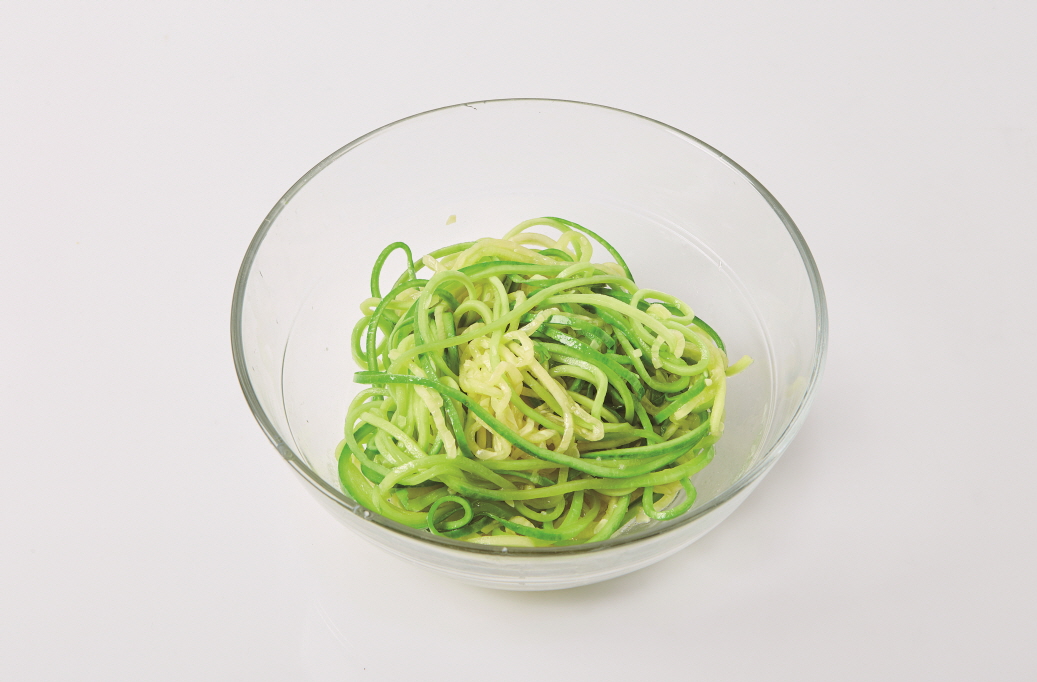
* Using a vegetable peeler or spiralizer, create thin, noodle-like strips from the aehobak. You can also julienne it finely.
* Combine all prepared vegetables (tomatoes, chamoe, cucumber, onion, garlic, aehobak) in a large mixing bowl.
2. **Make the Dressing:**
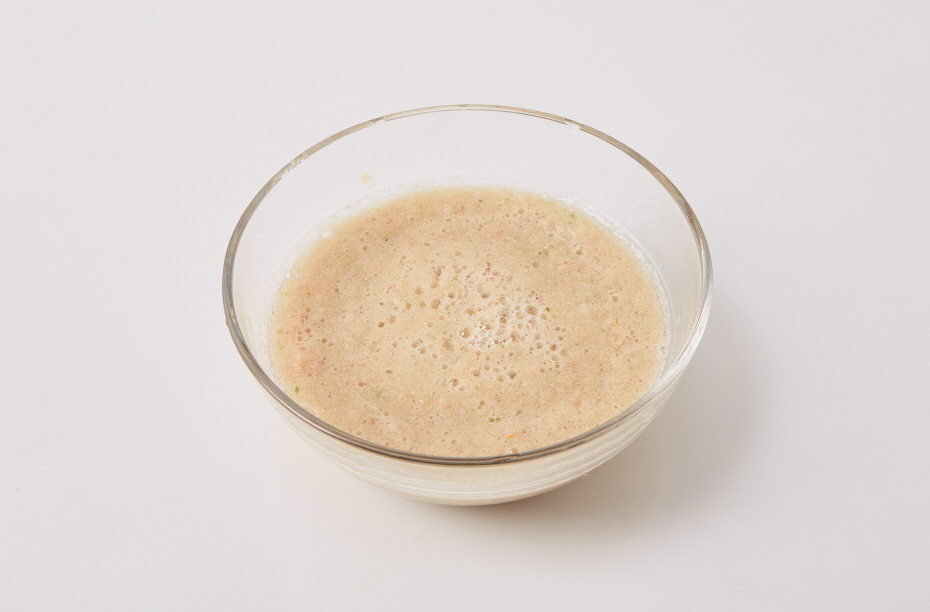
* In a separate small bowl, whisk together the lemon juice, olive oil, salt, peperoncino, low-sodium soy sauce, vinegar, and honey until well combined. The dressing should be smooth and slightly emulsified.
3. **Combine and Chill:**
* Pour the prepared dressing over the mixed vegetables.
* Add the chopped basil leaves.
* Toss gently to ensure all vegetables are evenly coated with the dressing.
* Cover the bowl and refrigerate for at least 30 minutes to allow the flavors to meld and the pasta to chill thoroughly. Chilling is crucial for a refreshing cold pasta.
4. **Serve:**
* Before serving, give the cold pasta a final gentle toss.
* Divide evenly into serving bowls.
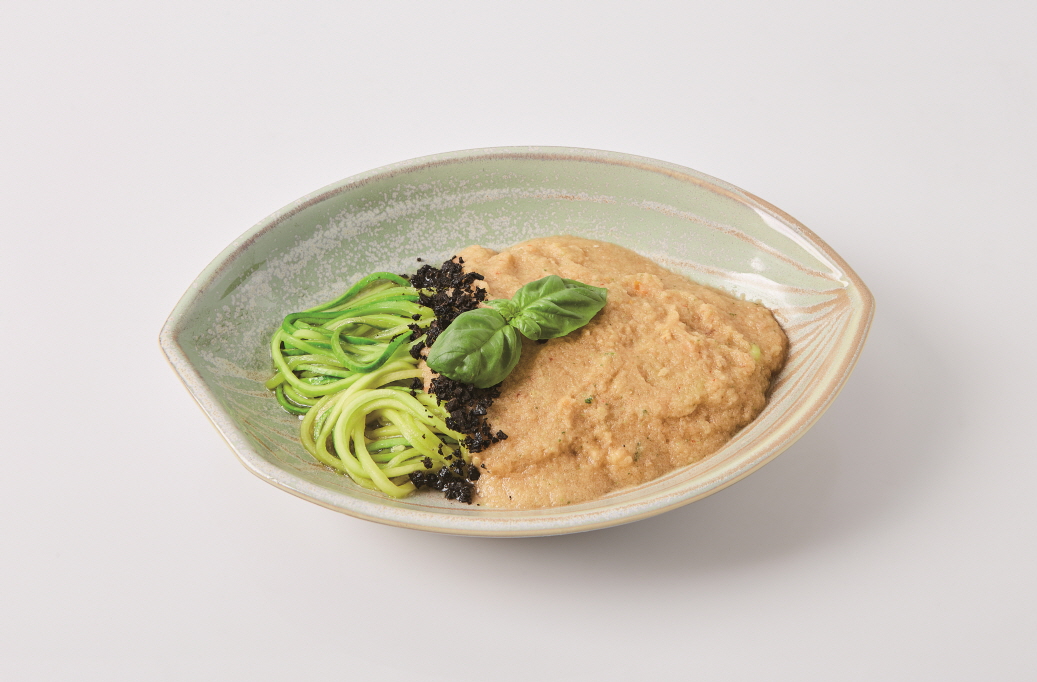
* Garnish each serving with a light sprinkle of black olive powder, if desired.
## History of Korean Cold Pasta
While pasta itself is not traditionally Korean, the concept of “naeng” (cold) dishes is deeply rooted in Korean cuisine, exemplified by dishes like Naengmyeon (cold noodles) and Kongguksu (chilled soybean noodle soup). Tomatososeu Aehobaknaengpaseuta represents a modern fusion, blending Western pasta elements with Korean preferences for fresh, light, and often chilled vegetable-forward meals. It caters to a contemporary palate seeking healthy, flavorful, and easy-to-prepare dishes, particularly popular during Korea’s warm summer months. Its appeal lies in its refreshing quality and vibrant use of seasonal produce.
## Nutrition Information (per serving, based on MFDS data)
This data provides a representative nutritional profile for Tomatososeu Aehobaknaengpaseuta, demonstrating its light and healthy qualities.
* **Calories:** 121.7 kcal
* **Protein:** ~2.5g
* **Fat:** ~9g (mostly from olive oil)
* **Carbohydrates:** ~8g
* **Sodium:** ~180mg
## Mom’s Tips for the Perfect Cold Pasta
* **Texture is Key:** For the aehobak, aim for thin, consistent strips. If they’re too thick, they won’t absorb the dressing as well and might feel heavy. A mandoline slicer with a julienne attachment works wonders here.
* **Don’t Rush the Chill:** While 30 minutes is the minimum, an hour or even two in the refrigerator will significantly enhance the flavors. The vegetables will slightly soften, and the dressing will infuse more deeply, resulting in a more cohesive taste.
* **Adjust Sweetness and Spice:** The given recipe uses 1 Tablespoon of honey and 0.3 Tablespoons of peperoncino. My mom always tasted the dressing before mixing and adjusted these. If your tomatoes are very sweet, you might reduce the honey slightly. For more kick, a little extra peperoncino powder never hurt!
## FAQ about Tomatososeu Aehobaknaengpaseuta
**Q: Can I use other vegetables in this recipe?**
A: Absolutely! While the core ingredients like aehobak and tomato are key, feel free to add bell peppers, corn, or even thinly sliced cabbage for extra crunch and variety. Just ensure they are finely diced or sliced for a consistent texture.
**Q: How long can I store Tomatososeu Aehobaknaengpaseuta?**
A: This dish is best enjoyed fresh, ideally within 24 hours. The vegetables will release water over time, and the texture might become too soft. Store it in an airtight container in the refrigerator if you have leftovers.
📸 Recipe Gallery
📺 For reference, here’s a recommended YouTube video related to “토마토소스 애호박냉파스타”.
📹 Video sourced via YouTube. All rights belong to the respective creator.