Why Saeudubumandu Is Korea’s Soul Food: Full Recipe, Nutrition & Cultural History
🇰🇷 The recipe below is based on official Korean MFDS (Ministry of Food and Drug Safety) data.
This guide on how to make Saeudubumandu is based on official MFDS (Ministry of Food and Drug Safety) data, ensuring accuracy in both recipe and nutritional information. Saeudubumandu (Shrimp Tofu Dumplings) is a delectable Korean dumpling, featuring a savory filling of shrimp and tofu wrapped in a delicate mandu skin. This traditional dish offers a lighter, healthier alternative to many meat-heavy dumplings, making it a popular choice for all ages. Learning this authentic Saeudubumandu recipe allows you to bring a piece of Korean culinary heritage into your kitchen.
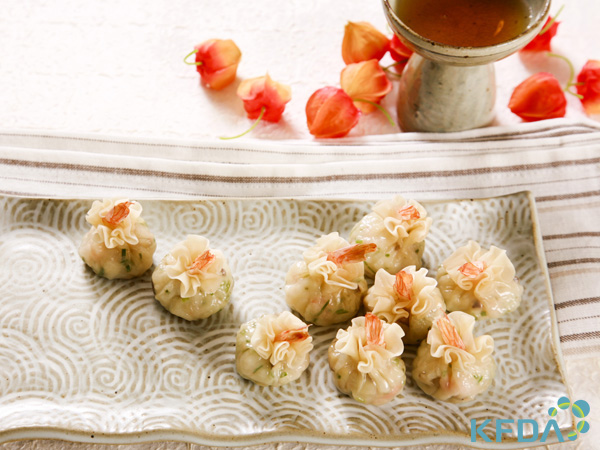
### Ingredients for Saeudubumandu
* **For the filling:**
* Cocktail Shrimp (peeled, deveined, finely chopped): 50g
* Firm Tofu (pressed to remove excess water, crumbled): 80g
* Garlic Chives (Buchu, finely chopped): 10g
* Shiitake Mushroom (Pyeogo beoseot, finely chopped): 8g
* Salt: 1g
* Black Pepper: 0.25g
* **For the wrappers & dipping sauce:**
* Mandu Wrappers: 75g (approx. 10-12 medium wrappers)
* Soy Sauce (Ganjang): 1.5g
* Vinegar (Shikcho): 0.75g
* Water: 5g
* Red Chili Powder (Gochugaru): 0.4g
### Nutrition Information (per serving, based on MFDS data)
| Component | Amount |
| :———— | :————– |
| Calories | 397.5 kcal |
| Carbohydrates | 46.2 g |
| Protein | 31.4 g |
| Fat | 10.7 g |
| Sodium | 1279.7 mg |
### How to Make Saeudubumandu: A Step-by-Step Guide
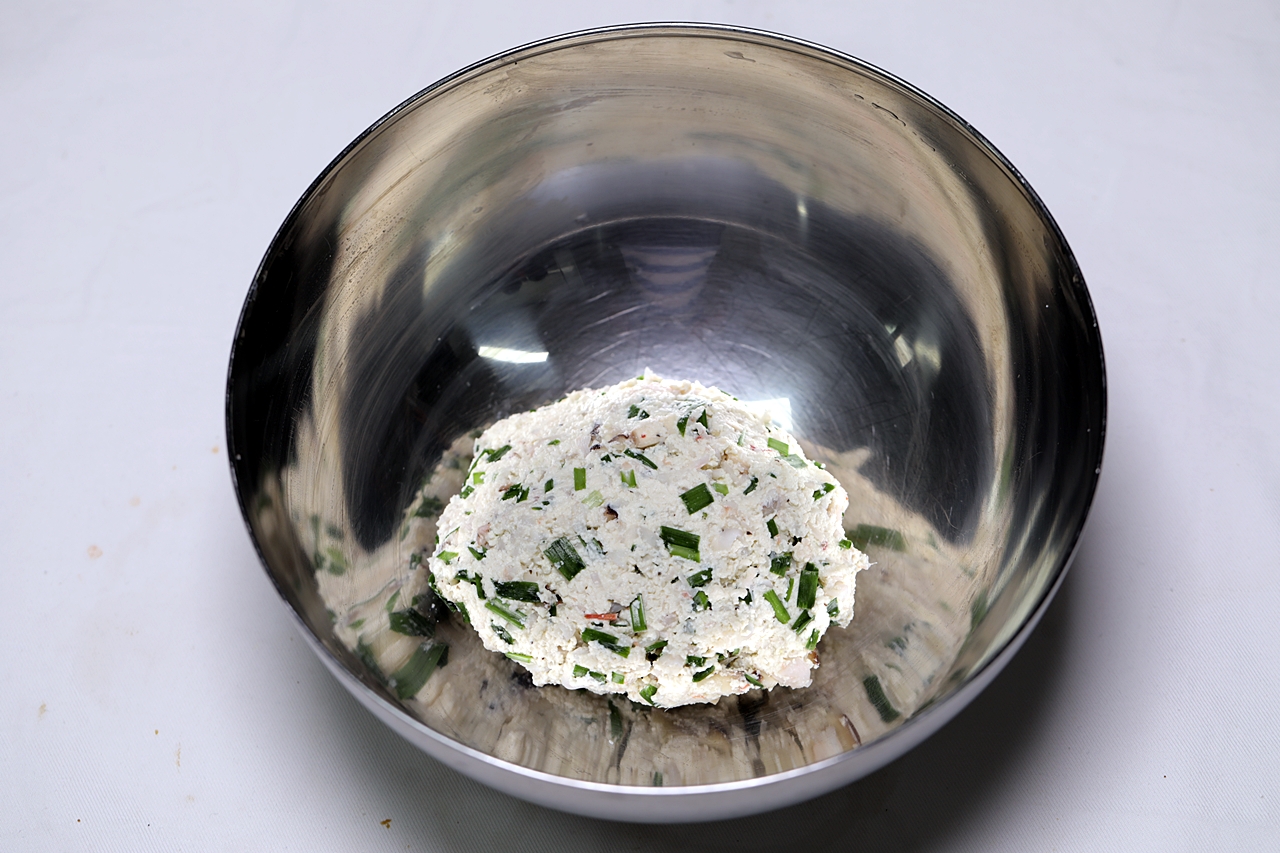
1. **Prepare the Filling:** In a large bowl, combine the finely chopped cocktail shrimp, crumbled tofu, chopped garlic chives, and chopped shiitake mushroom. Add salt and black pepper. Mix thoroughly until all ingredients are well combined.
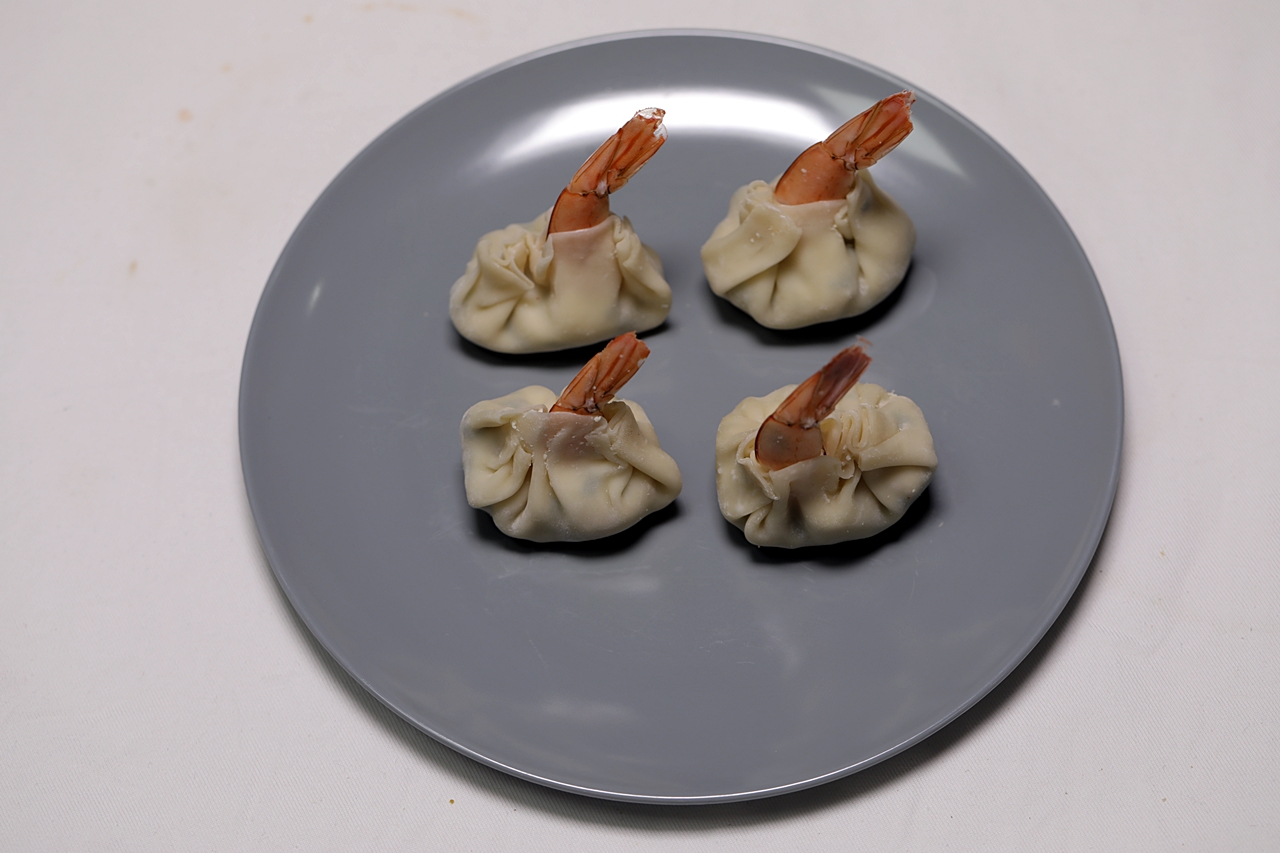
2. **Form the Dumplings:** Take one mandu wrapper and place a spoonful (about 15-20g) of the filling in the center. Lightly moisten the edges of the wrapper with water. Fold the wrapper in half to create a half-moon shape, then pleat the edges to seal securely. Repeat with the remaining wrappers and filling.
3. **Cook the Mandu:** Arrange the formed Saeudubumandu in a steamer basket lined with parchment paper or a thin layer of oil to prevent sticking. Steam over boiling water for 7-10 minutes, or until the wrappers are translucent and the filling is cooked through.
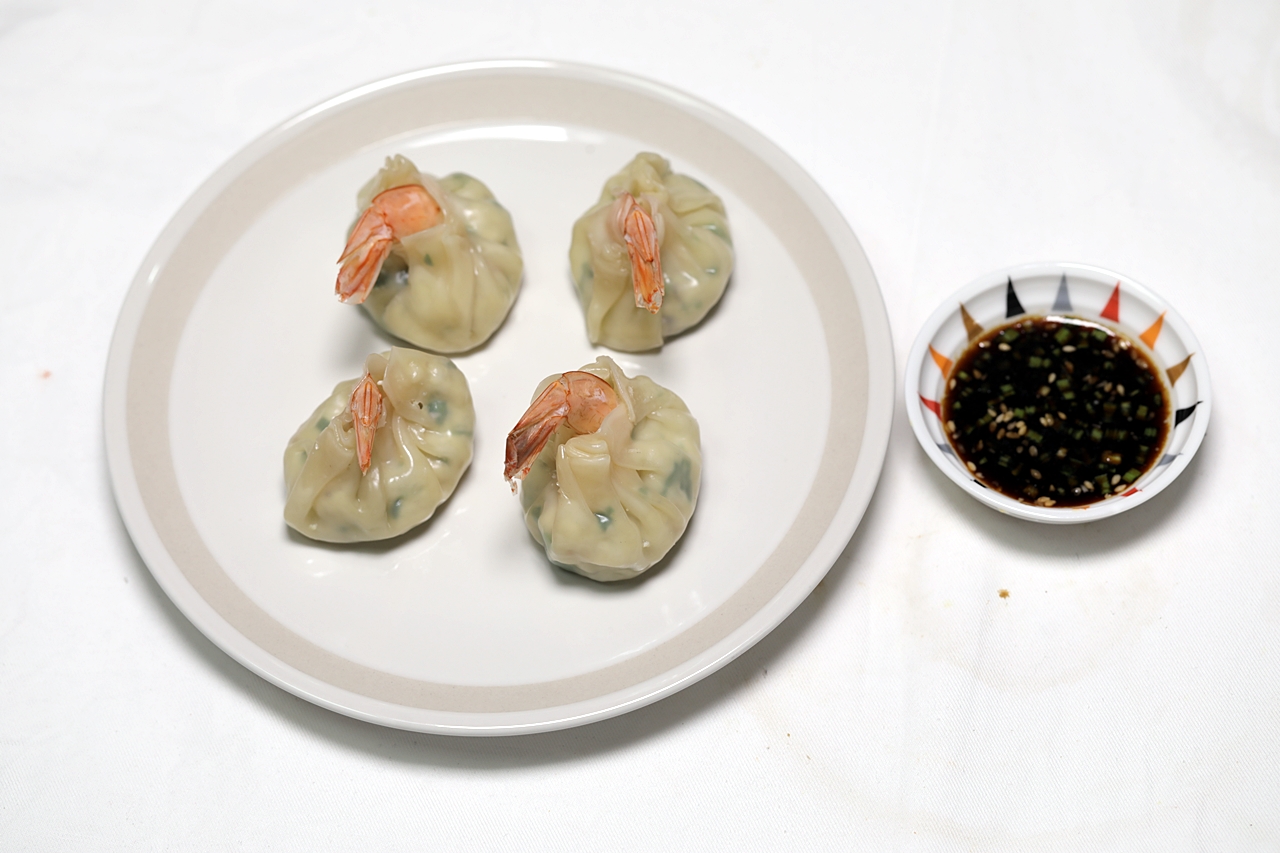
4. **Prepare Dipping Sauce:** While the mandu are steaming, mix soy sauce, vinegar, water, and red chili powder in a small bowl. Adjust gochugaru to your spice preference.
5. **Serve:** Carefully remove the steamed Saeudubumandu from the steamer. Serve hot with the prepared dipping sauce.
### Mom’s Tips for Perfect Mandu
* **Tofu Pressing is Key:** Don’t skip pressing the tofu! Squeezing out excess water is essential for a firm, flavorful filling that won’t make your mandu soggy. Use a heavy object for at least 30 minutes.
* **Seal with Care:** Ensure your mandu wrappers are sealed tightly. A little water on the edges helps create a strong bond, preventing the delicious filling from escaping during cooking.
* **Don’t Overcrowd:** When steaming, give your mandu enough space in the basket. Overcrowding can lead to uneven cooking and sticking.
### Cultural and Regional Significance
Saeudubumandu holds a cherished spot in Korean cuisine, often enjoyed as a light meal, snack, or part of a larger festive spread. Unlike heavier meat-filled mandu, the combination of shrimp and tofu makes this a notably lighter and healthier option, appealing to those seeking fresh, clean flavors. Its popularity stems from its balanced nutritional profile and delicate taste, making it a favorite for all ages, especially during celebratory occasions or as a comforting family dish.
### FAQ about Saeudubumandu
**Q: Can I use frozen shrimp?**
A: Yes, ensure frozen shrimp are fully thawed and patted dry before finely chopping to prevent excess moisture in the filling.
**Q: What if I don’t have garlic chives (buchu)?**
A: Green onions (scallions) can be used as a substitute, though the flavor will be slightly different. Use the white and light green parts.
📸 Recipe Gallery
📺 For reference, here’s a recommended YouTube video related to “새우두부만두”.
📹 Video sourced via YouTube. All rights belong to the respective creator.