The Complete Guide to Authentic Tongbaechu Geotjeoli: A Korean Kitchen Masterclass
🇰🇷 The recipe below is based on official Korean MFDS (Ministry of Food and Drug Safety) data.
This guide is based on official MFDS (Ministry of Food and Drug Safety) data, ensuring authenticity and reliable nutritional information. Discover how to make Tongbaechu Geotjeoli (Fresh Kimchi), a vibrant and essential Korean side dish perfect for any meal. This comprehensive recipe will guide you through preparing this delicious, quick-to-make kimchi, offering practical tips and answering common questions.
## History of Tongbaechu Geotjeoli
Tongbaechu Geotjeoli, often simply called Geotjeoli, is a traditional Korean side dish made from napa cabbage that is seasoned and served fresh, without fermentation. Unlike traditional Kimchi, which undergoes a lengthy fermentation process, Geotjeoli is prepared and eaten almost immediately. This method of preparation dates back centuries, providing a lighter, crisper alternative to aged Kimchi, particularly appreciated during harvest seasons when fresh vegetables were abundant. It offers a refreshing crunch and a burst of flavor, acting as a perfect counterbalance to rich Korean dishes.
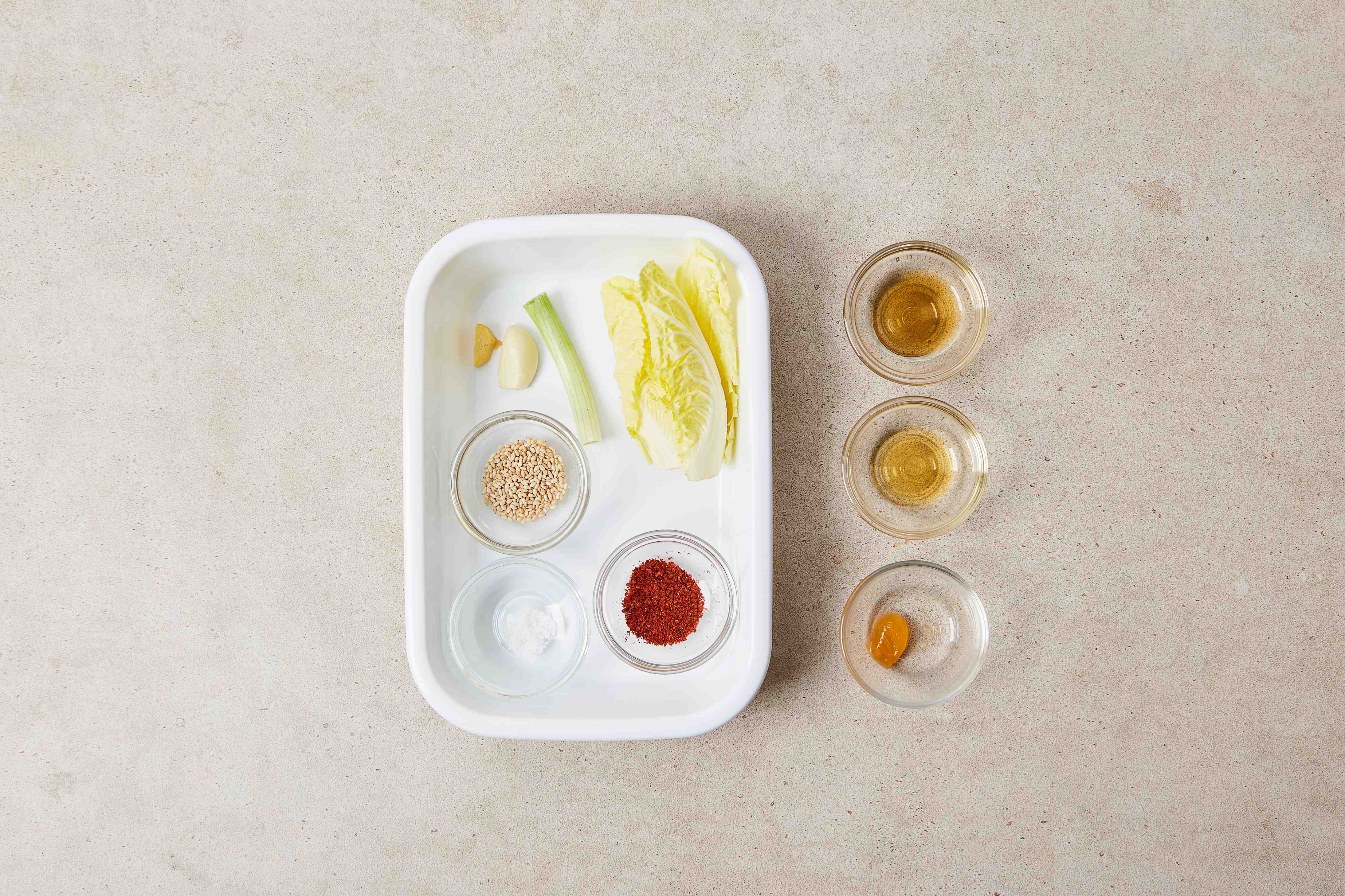
## Ingredients for Authentic Tongbaechu Geotjeoli Recipe
This recipe yields a small portion, ideal for tasting or a single serving.
* **Main Ingredients:**
* Tongbaechu (Napa Cabbage): 25g
* Jokpa (Green Onion/Scallion): 1g
* Maneul (Garlic, minced): 1g
* Saenggang (Ginger, grated): 0.5g
* **Seasoning (Yangnyeom):**
* Sogum (Salt): 0.1g
* Hongsi (Soft Persimmon, pureed): 1g (substitute with a tiny pinch of sugar or apple puree for sweetness)
* Gochugaru (Korean Chili Flakes): 1g
* Jeotgal (Fermented Fish Sauce, e.g., Myeolchi Aekjeot/Anchovy Sauce): 1g
* Tongkae (Toasted Sesame Seeds): 1g
* Chamgireum (Sesame Oil): 0.5g
## Cooking Steps
1. **Prepare the Cabbage:** Gently separate the Tongbaechu leaves. Wash them thoroughly and pat dry. If leaves are large, you may tear them into bite-sized pieces.
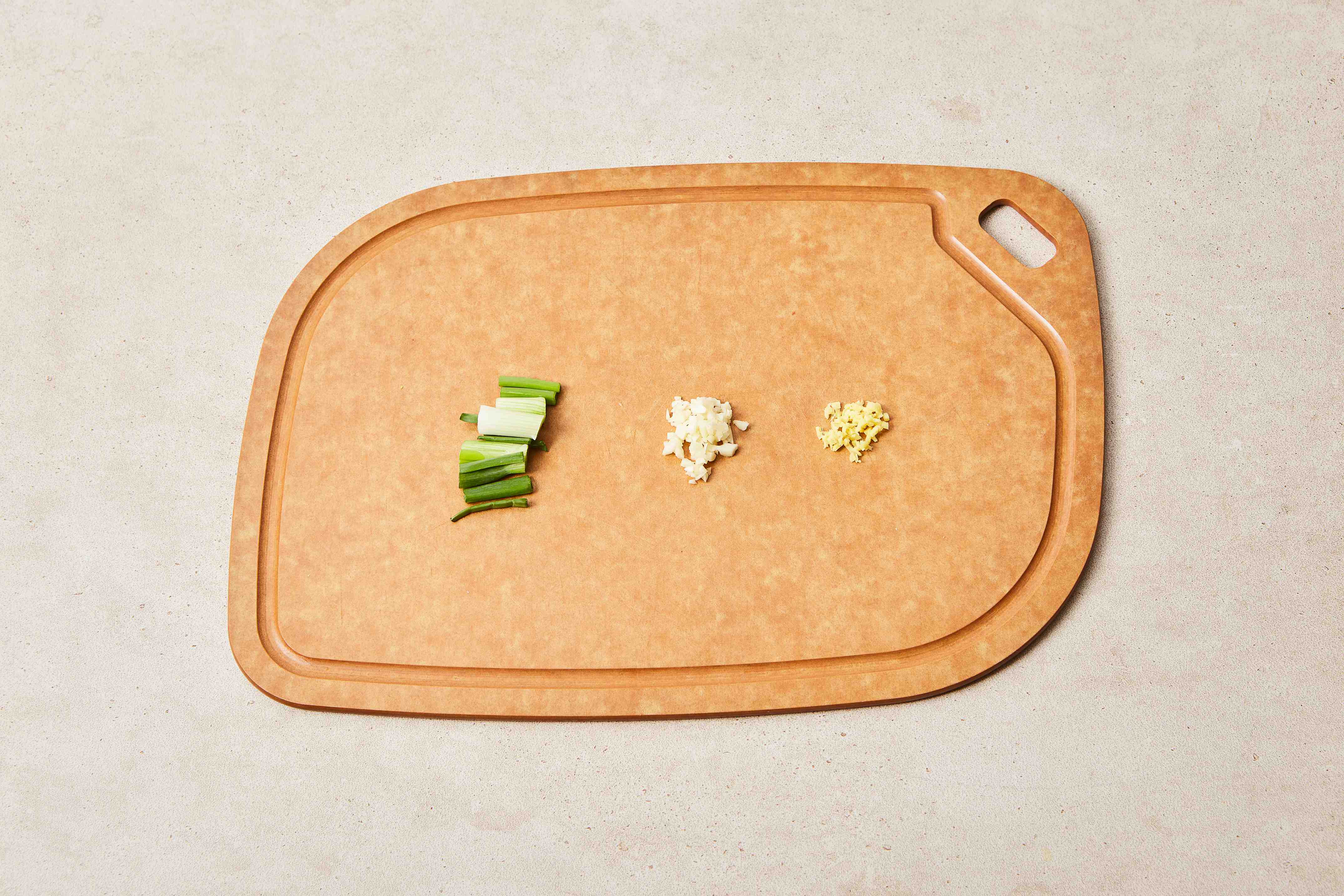
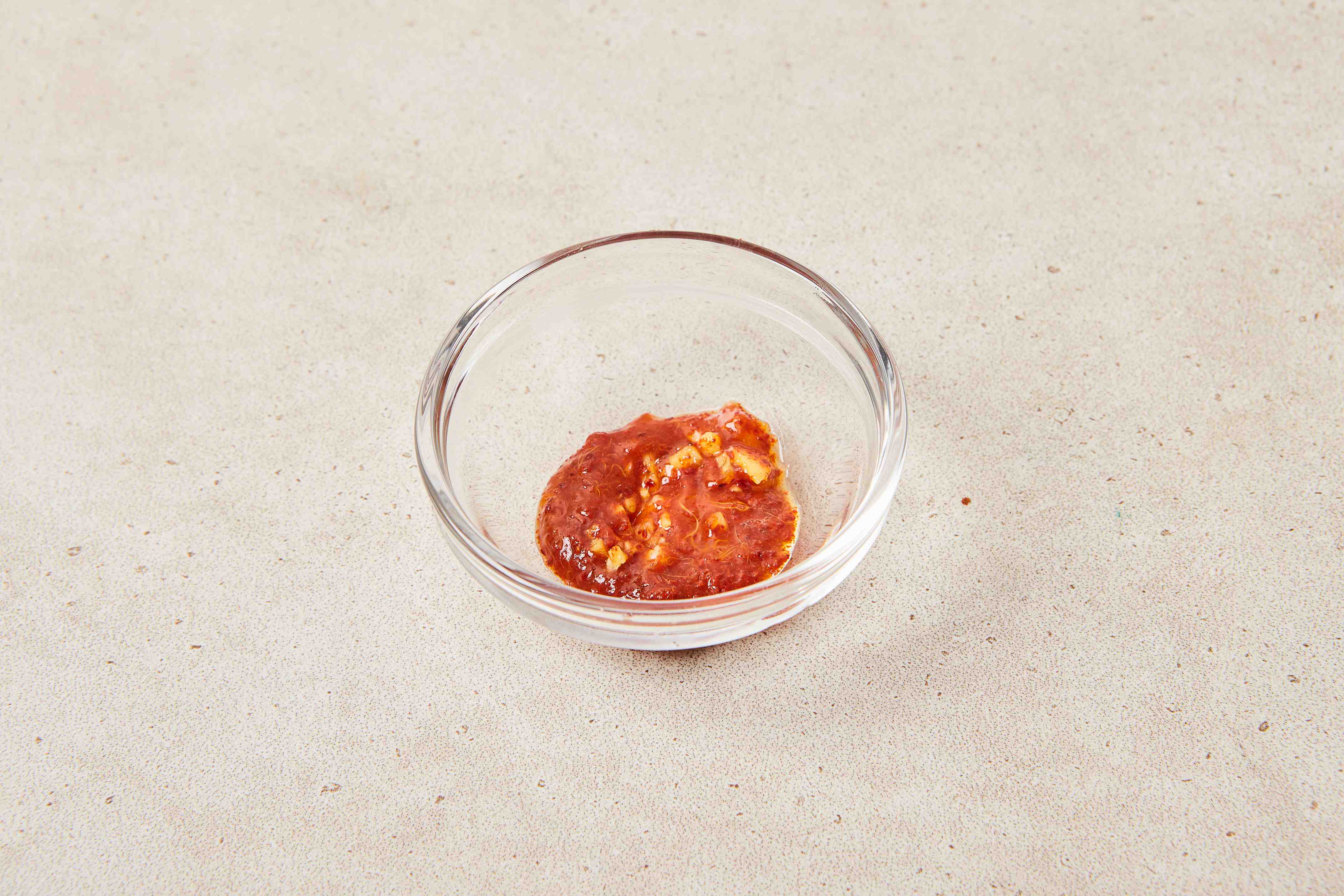
2. **Make the Seasoning:** In a mixing bowl, combine the Sogum, pureed Hongsi, Gochugaru, Jeotgal, minced Maneul, grated Saenggang, and Chamgireum. Mix well until a vibrant paste forms.
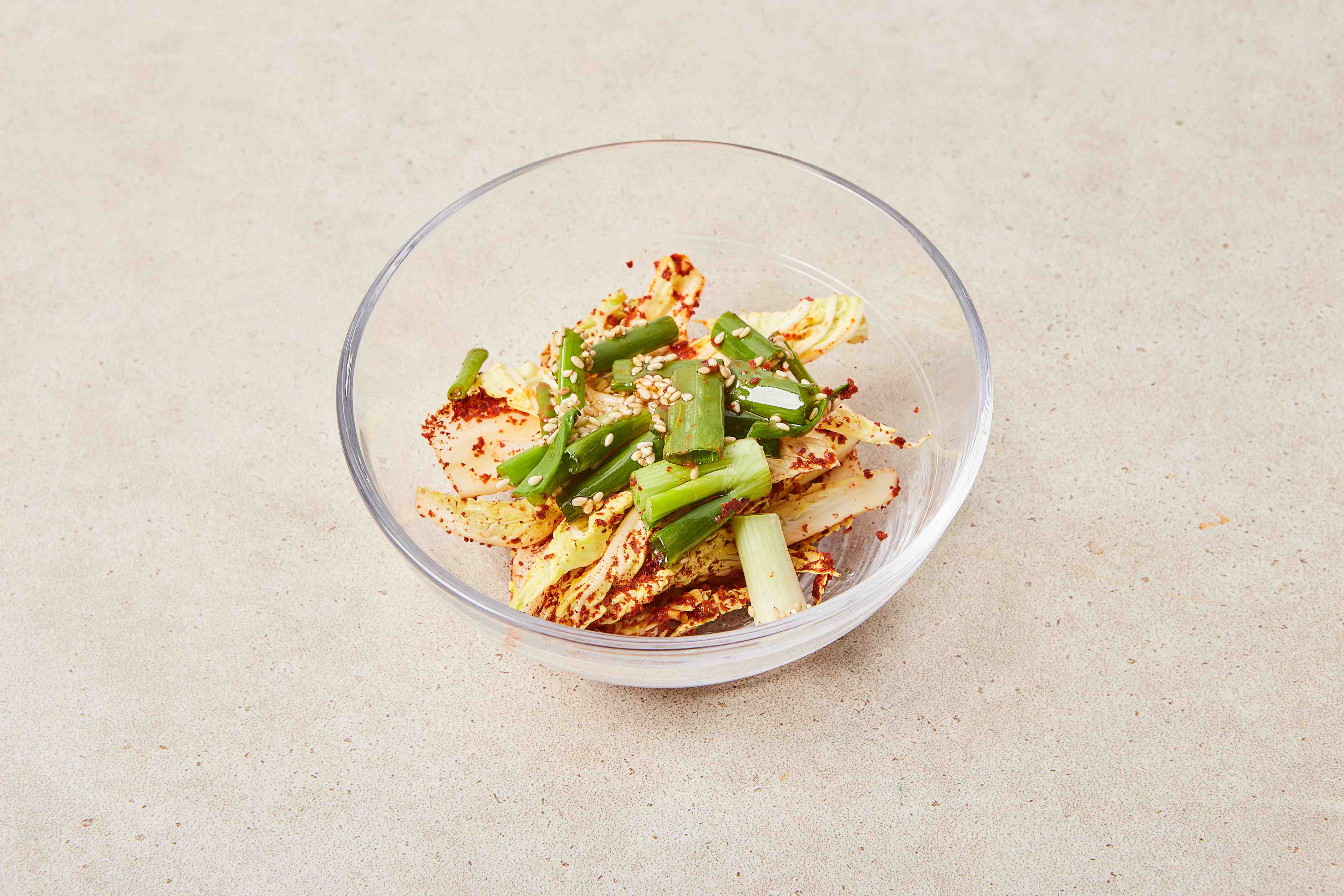
3. **Combine Ingredients:** Add the prepared Tongbaechu and chopped Jokpa to the seasoning paste. Using clean hands, gently massage the seasoning into the cabbage and green onions. The goal is to coat every leaf evenly without bruising them too much, maintaining their crisp texture.
4. **Finish and Serve:** Once thoroughly mixed, sprinkle with Tongkae. Taste and adjust seasoning if necessary. Serve immediately.
## Nutrition Information (per serving)
Based on official MFDS data:
| Nutrient | Amount |
| :——– | :—— |
| Calories | 22 kcal |
## Mom’s Tips for Perfect Geotjeoli
* **Tip 1: Salting is Key:** For larger batches, a brief initial salting of the cabbage (about 10-15 minutes, then rinse and squeeze) helps draw out excess water and ensures a crispier texture. However, for this small portion, direct seasoning is fine.
* **Tip 2: Adjust Spice and Sweetness:** The Gochugaru amount can be adjusted to your spice preference. If Hongsi is unavailable, a tiny amount of sugar or a small cube of apple puree can provide a similar subtle sweetness.
* **Tip 3: Serve Fresh:** Tongbaechu Geotjeoli is best enjoyed immediately after preparation. Its charm lies in its freshness and crisp texture, which can soften over time.
## FAQ
**Q: What is the main difference between Tongbaechu Geotjeoli and traditional Kimchi?**
A: The primary difference is fermentation. Tongbaechu Geotjeoli is a “fresh kimchi” designed to be eaten immediately and is not fermented, resulting in a crispier texture and brighter flavor. Traditional Kimchi, on the other hand, is fermented for days or weeks, developing complex sour and umami flavors and a softer texture.
**Q: Can I store Tongbaechu Geotjeoli?**
A: While it’s best fresh, you can store any leftovers in an airtight container in the refrigerator for up to 1-2 days. Be aware that the cabbage will soften, and the flavors will meld more, but it won’t have the same crispness as when freshly made.
📸 Recipe Gallery
📺 For reference, here’s a recommended YouTube video related to “통배추 겉절이”.
📹 Video sourced via YouTube. All rights belong to the respective creator.