Tongsamgyeopseuteikeu Recipe: Everything You Need to Know About This Iconic Korean Dish
🇰🇷 The recipe below is based on official Korean MFDS (Ministry of Food and Drug Safety) data.
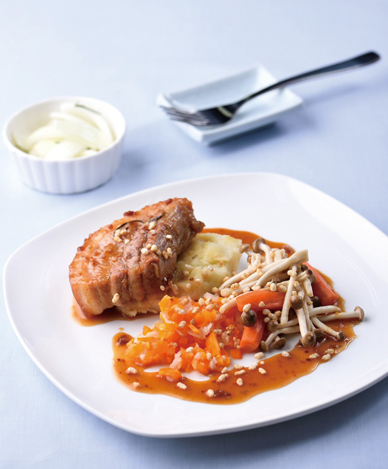
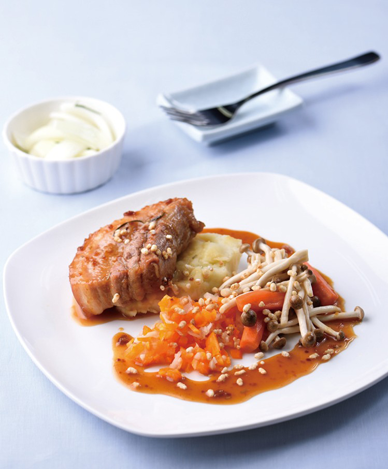
This guide, based on official MFDS (Ministry of Food and Drug Safety) data, provides an authentic Tongsamgyeopseuteikeu (Whole Pork Belly Steak) recipe. Learn to prepare this iconic Korean dish: succulent pork belly with vibrant sides and a unique, savory doenjang sauce. If you’re seeking a definitive how to make Tongsamgyeopseuteikeu guide, this resource is your companion for a taste of tradition with a gourmet twist.
## Nutrition Facts (Based on MFDS Data)
For one serving of this carefully balanced Tongsamgyeopseuteikeu recipe, the nutritional values are as follows:
* Calories: 472.2 kcal (derived from official MFDS data for the specified ingredients and quantities)
* Beyond calories, this dish is rich in protein from the pork belly, provides healthy fats, and offers essential vitamins and minerals through its diverse vegetable components and complex carbohydrates from the mashed potato.
## A Brief History of Tongsamgyeopseuteikeu
Tongsamgyeopseuteikeu, literally “whole pork belly steak,” represents a delicious modern evolution of Korea’s enduring affection for samgyeopsal (pork belly). While grilled samgyeopsal remains a beloved cornerstone of Korean BBQ for generations, the “steak” interpretation, often pan-seared or oven-roasted as a substantially thick cut, emerged to present a distinct texture and refined culinary experience. It expertly highlights the inherent succulence and rich flavor of the entire pork belly, transforming it into a more gourmet offering, frequently paired with innovative sauces and an array of fresh, vibrant vegetables, elevating it beyond the simple ssam (wrap) tradition to a sophisticated, composed dish.
## Authentic Ingredients for Tongsamgyeopseuteikeu
This recipe calls for fresh, high-quality ingredients to ensure the most authentic and delicious outcome.
* **For the Pork Belly:**
* Tongsamgyeop (Whole Pork Belly): 200g
* Dried Rosemary: 1g
* Fresh Rosemary: 2g
* Olive Oil: 15g
* **For Side Vegetables 1 (Sautéed Medley):**
* Baegilsongi (White Oyster Mushroom): 30g (regular oyster mushrooms or shiitake can be substituted)
* Carrot: 20g
* Onion: 60g
* **For Side Vegetables 2 (Refreshing Salad):**
* Two-color Mini Paprika: 30g
* Onion: 60g
* Vinegar: 15g
* Sugar: 1g
* **For Creamy Mashed Potatoes:**
* Potato: 100g
* Butter: 10g
* Milk: 30g
* **For the Savory Doenjang Sauce:**
* Doenjang (Korean Soybean Paste): 15g
* Minced Garlic: 15g
* Minced Onion: 15g
* Plain Yogurt: 30g
* Sugar: 15g
* **For Garnish:**
* Roasted Brown Rice: 25g
## Chef’s Notes & Mom’s Tips for Perfection
1. **Crispy Pork Belly Sear:** Achieving that coveted crispy skin on the pork belly is paramount. Start searing with high heat to effectively render the fat, then reduce to medium heat for thorough and even cooking. Patience here yields the best texture.
2. **Silky Mashed Potato Consistency:** For truly smooth and lump-free mashed potatoes, always mash them immediately after they are cooked and still hot. Incorporating warm milk and softened butter helps prevent a gluey or gummy texture.
3. **Balanced Doenjang Sauce:** The unique doenjang sauce provides a profound savory depth. Experiment by adjusting the sugar content slightly to perfectly balance the inherent saltiness of the doenjang with the subtle tang of the plain yogurt. A touch of sweetness enhances the overall umami profile beautifully.
## How to Make Tongsamgyeopseuteikeu: Step-by-Step Guide
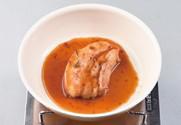
1. **Prepare Pork Belly:** Thoroughly pat the tongsamgyeop dry. Rub all surfaces with olive oil, dried rosemary, and fresh rosemary sprigs. Season generously with salt and freshly ground black pepper.
2. **Cook Pork Belly:** Preheat a heavy-bottomed pan over medium-high heat. Sear the pork belly on all sides until a beautiful golden brown and crispy crust forms, approximately 5-7 minutes per side. Reduce the heat to medium-low, cover the pan, and continue to cook until the internal temperature reaches a safe 63°C (145°F). This usually takes about 15-20 minutes, with occasional flipping. Remove from heat and let it rest for 5 minutes before slicing.
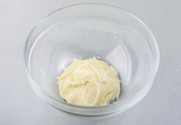
3. **Prepare Mashed Potatoes:** Boil or steam the potatoes until they are completely fork-tender. Mash them vigorously with the butter and warm milk until a smooth consistency is achieved. Season with salt and pepper as needed.
4. **Prepare Side Vegetables 1:** Using the same pan (after carefully draining any significant excess fat), quickly sauté the sliced baegilsongi, carrot, and onion until they are tender-crisp and slightly caramelized.
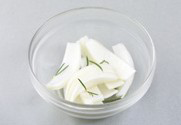
5. **Prepare Side Vegetables 2:** In a small mixing bowl, combine the thinly sliced two-color mini paprika, the remaining onion, vinegar, and sugar. Gently toss everything together to ensure an even coating.
6. **Craft the Doenjang Sauce:** In a separate clean bowl, thoroughly whisk together the doenjang, minced garlic, minced onion, plain yogurt, and sugar until all ingredients are smoothly incorporated and the sauce is uniform.
7. **Assemble and Serve:** Artfully slice the rested pork belly into appealingly thick pieces. Arrange these slices on a serving plate alongside the creamy mashed potatoes, the vibrant sautéed vegetables, and the refreshing paprika salad. Generously drizzle the homemade doenjang sauce over the pork and vegetables, and finally, sprinkle with the roasted brown rice for a textural contrast and aromatic garnish.
## Frequently Asked Questions About Tongsamgyeopseuteikeu
**Q: Can I use a different cut of pork for this recipe to make it leaner?**
A: While tongsamgyeop (whole pork belly) is highly recommended for its characteristic rich flavor and succulent texture, you can certainly experiment with a thicker cut of boneless pork shoulder or even pork loin as a leaner alternative. Be aware, however, that the overall taste profile and juiciness will naturally differ from the traditional preparation.
**Q: How should I properly store and reheat any leftover Tongsamgyeopseuteikeu?**
A: To maintain freshness, store any cooked pork and separately prepared side dishes in distinct, airtight containers within the refrigerator. They will keep well for up to 3 days. When reheating, gently warm the pork in a pan or oven to prevent drying out, and serve the fresh salad cold to retain its crispness.
📸 Recipe Gallery
📺 For reference, here’s a recommended YouTube video related to “통삼겹스테이크”.
📹 Video sourced via YouTube. All rights belong to the respective creator.