How to Make Perfect Tteokgalbitongchimiguksu: Traditional Korean Recipe with Nutrition Facts
🇰🇷 The recipe below is based on official Korean MFDS (Ministry of Food and Drug Safety) data.
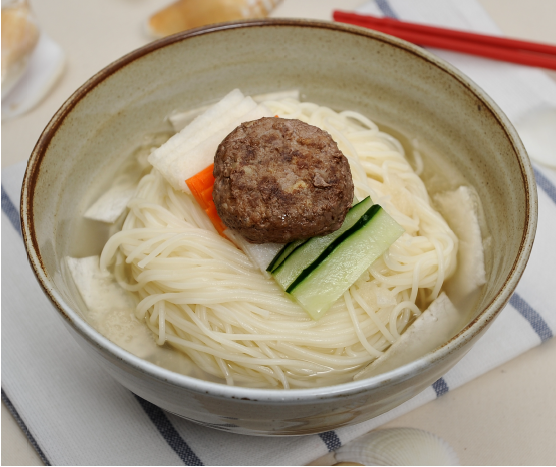
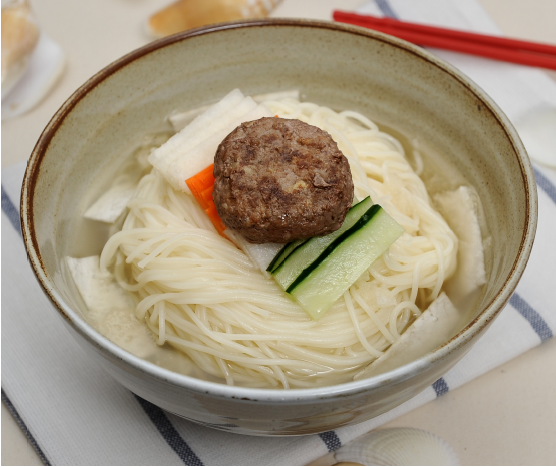
This guide is based on official MFDS (Ministry of Food and Drug Safety) data, providing an authentic recipe for **Tteokgalbitongchimiguksu (Grilled Short Rib Patties and Radish Kimchi Noodle Soup)**. This beloved Korean dish combines savory Tteokgalbi with refreshing Dongchimi broth and chewy noodles. If you’re looking to make a Tteokgalbitongchimiguksu recipe at home, this post offers a traditional approach for a delicious experience.
## History of Tteokgalbitongchimiguksu
Tteokgalbi, or grilled short rib patties, originated from royal court cuisine, later becoming a specialty in Gyeonggi and Jeolla provinces. It’s made from minced beef, seasoned, shaped, and grilled. Dongchimi, a type of water radish kimchi, provides the cooling, tangy, and refreshing broth. This dish merges rich Tteokgalbi with clean Dongchimi broth in a noodle soup, creating a balanced and satisfying experience of traditional Korean food.
## Authentic Ingredients (Based on MFDS Data)
This recipe yields one serving.
**For Tteokgalbi Patties:**
* Minced Beef: 30g
* Minced Garlic: 10g
* Minced Green Onion: 10g
* Low-Sodium Soy Sauce: 5g
* Sugar: 10g
* Cheongju (Rice Wine): 2g, or dry white wine
* Black Pepper: 0.2g
* Sesame Oil: 2g
* Toasted Sesame Seeds: 2g
* Cooking Oil: 5g, for pan-frying
**For Dongchimi Broth:**
* Dongchimi (Radish Water Kimchi): 400g (broth + radish)
* Pear: 30g, grated
* Vinegar: 10g
* Maesilaek (Green Plum Extract): 3g, or a touch of sugar
**For Noodles & Garnish:**
* Noodles (Somyeon or Buckwheat Guksu): 100g
* Cucumber: 20g, julienned
* Carrot: 20g, julienned
* Onion: 10g, thinly sliced
## Step-by-Step Cooking Instructions
1. **Prepare Tteokgalbi Marinade:** Combine minced beef, garlic, green onion, soy sauce, sugar, Cheongju, black pepper, sesame oil, and sesame seeds in a bowl. Mix well until sticky.
2. **Form and Cook Tteokgalbi:** Form beef mixture into small patties (3-4 cm diameter, 0.5 cm thick). Heat cooking oil in a pan over medium heat. Pan-fry patties 2-3 minutes per side until golden and cooked. Set aside.
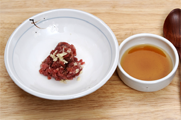
3. **Prepare Dongchimi Broth:** Combine Dongchimi (broth and radish), grated pear, vinegar, and Maesilaek in a bowl. Stir well and chill.
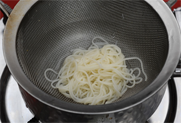
4. **Cook Noodles:** Boil water. Cook 100g noodles per package directions (2-3 minutes for Somyeon). Drain and rinse under cold water to stop cooking and remove starch.
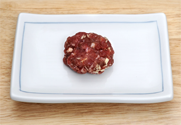
5. **Assemble and Serve:** Place cold noodles in a bowl. Pour chilled Dongchimi broth over them. Arrange Tteokgalbi patties on top. Garnish with julienned cucumber, carrot, and sliced onion. Serve immediately.
## Nutrition Facts
Based on official MFDS data, one serving of Tteokgalbitongchimiguksu contains:
* **Calories:** 242.1 kcal
## Mom’s Tips
* **Broth Temperature:** Ensure Dongchimi broth is well chilled for the most refreshing experience. Add ice cubes just before serving, if desired.
* **Tteokgalbi Don’t Overcook:** Thin patties cook quickly. Overcooking makes them dry. Aim for a golden sear and juicy interior.
* **Noodle Texture:** Rinsing noodles thoroughly in cold water after cooking is crucial for a firm, springy texture, ideal for cold dishes.
## Cultural Context
This dish often appears at family gatherings or as a comforting meal, especially valued for its contrast between rich meat and invigorating broth. Regional variations may exist in seasoning or radish type.
## Frequently Asked Questions
**Q: Can I use pre-made Tteokgalbi?**
A: Yes, for convenience, use high-quality pre-made Tteokgalbi. Making them fresh offers better control over ingredients.
**Q: What if I don’t have Maesilaek?**
A: Maesilaek adds a subtle fruity tang. Omit it, or add a tiny bit more sugar or a squeeze of lime juice for a similar bright note, adjusting to taste.
📸 Recipe Gallery
📺 For reference, here’s a recommended YouTube video related to “떡갈비통치미국수”.
📹 Video sourced via YouTube. All rights belong to the respective creator.