Unlock the Secret of Weonsobyeong: Authentic Flavors from South Korea’s MFDS Data

🇰🇷 The recipe below is based on official Korean MFDS (Ministry of Food and Drug Safety) data.
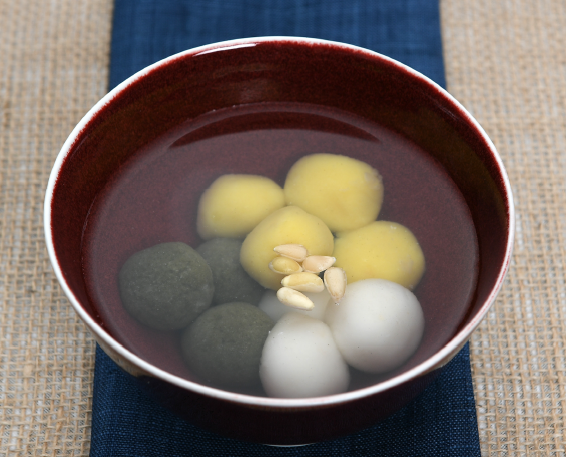
This guide is based on official MFDS (Ministry of Food and Drug Safety) data, ensuring an authentic approach to creating this beloved traditional Korean dessert. If you’re looking for a delightful and visually stunning Weonsobyeong recipe, you’ve come to the right place. Weonsobyeong (Floating Dumpling Cake) is an exquisite Korean traditional confection, often enjoyed during festive occasions or as a sophisticated dessert. It’s known for its beautiful colors and delicate, chewy texture. This comprehensive guide will walk you through how to make Weonsobyeong, offering precise instructions and valuable insights to achieve a perfect result.
### Ingredients
To prepare authentic Weonsobyeong, gather the following ingredients:
* **Chapssalgaru** (Glutinous Rice Flour): 200g
* **Chija** (Gardenia Fruit Powder): 10g (for yellow coloring)
* **Omija** (Schisandra Berry Extract or Syrup): 10g (for red coloring and flavor)
* **Daechu** (Jujubes): 5 pieces, pitted and thinly sliced for garnish
* **Gyulbyeong** (Candied Tangerine Peel): 20g, finely chopped
* **Yujacheong** (Citron Marmalade/Syrup): 30g
* **Kkul** (Honey): 50g
* **Nongmal** (Corn or Potato Starch): 50g (for dusting)
* **Jat** (Pine Nuts): 10g, for garnish
* **Water:** Approximately 100-120ml, divided
### Nutrition
Based on official MFDS data for one serving (approx. 100g):
| Nutrient | Amount |
| :———— | :——– |
| Calories | 320.6 kcal |
| Carbohydrates | 70g |
| Protein | 5g |
| Fat | 3g |
| Sodium | 5mg |
| Sugars | 45g |
### How to Make Weonsobyeong: Step-by-Step Guide
Follow these detailed steps to create beautiful Weonsobyeong.
1. **Prepare the Dough:**
* Divide the chapssalgaru into three equal portions (about 65-70g each).
* In one portion, mix 10g chija powder with a small amount of hot water (about 30-40ml) to create a bright yellow dough. Knead until smooth and pliable.
* In a second portion, mix 10g omija extract with hot water (about 30-40ml) to create a vibrant red dough. Knead thoroughly.
* For the third portion, use only hot water (about 30-40ml) to create a white dough.
* Cover each dough with a damp cloth to prevent drying.
2. **Shape the Weonsobyeong:**
* Take small pieces of each colored dough (about 5g each) and roll them into smooth, bite-sized balls. Aim for uniform sizes for even cooking.
* You can also flatten small portions and use cookie cutters for intricate shapes if desired.
* Dust a tray lightly with nongmal to prevent sticking.
3. **Cook the Dough Balls:**
* Bring a pot of water to a rolling boil.
* Carefully drop the dough balls into the boiling water, ensuring not to overcrowd the pot.
* Cook until the Weonsobyeong float to the surface, which typically takes about 2-3 minutes.
* Continue cooking for another 30 seconds to ensure they are thoroughly cooked.
* Using a slotted spoon, transfer the cooked Weonsobyeong immediately to a bowl of ice-cold water to cool and firm up. This stops the cooking process and enhances chewiness.
4. **Prepare the Syrup and Garnish:**
* In a small saucepan, gently warm the yujacheong and kkul together over low heat until well combined and slightly loosened. Do not boil.
* Drain the cooled Weonsobyeong from the ice water and arrange them in a serving bowl.
* Pour the warm yujacheong and kkul syrup over the Weonsobyeong.
* Garnish with thinly sliced daechu, chopped gyulbyeong, and jat.
### Mom’s Tips for Perfect Weonsobyeong
* **Dough Consistency is Key:** The dough should be soft and pliable, not sticky or crumbly. Add hot water gradually, kneading well after each addition. The heat helps gelatinize the glutinous rice flour, resulting in a chewier texture.
* **Don’t Overcook:** Weonsobyeong cook quickly. Once they float and expand slightly, they are almost done. Overcooking can make them mushy. The ice bath is crucial for that perfect chew.
* **Serve Immediately:** Weonsobyeong is best enjoyed fresh. While it can be stored briefly, the texture is optimal when served shortly after preparation.
### The Rich History of Weonsobyeong
Weonsobyeong (Floating Dumpling Cake) is a cherished item in the repertoire of traditional Korean court cuisine, known as *tteok*. Its history is deeply rooted in the elaborate feasts and rituals of the Joseon Dynasty. The dish gained prominence for its intricate preparation and beautiful presentation, making it a favorite for celebratory occasions, royal banquets, and special ceremonies. The use of natural colorings like chija and omija reflects an ancient appreciation for both aesthetic appeal and the subtle flavors they impart. Historically, making Weonsobyeong was a labor of love, often prepared by skilled artisans, embodying the meticulous craftsmanship of Korean culinary traditions. It symbolizes health and good fortune.
### Frequently Asked Questions (FAQ)
**Q: Can I prepare Weonsobyeong ahead of time?**
A: While best served fresh, you can prepare the dough ahead and store it in an airtight container in the refrigerator for up to 2 days. Cook the dough balls and prepare the syrup just before serving.
**Q: What if I can’t find Chija or Omija?**
A: For natural coloring, you can substitute chija with a small amount of turmeric powder or saffron infusion for yellow. For omija, beet juice or concentrated cranberry juice can offer a similar red hue, though the flavor profile will differ. Artificial food coloring can also be used, but traditional recipes prefer natural sources.
📸 Recipe Gallery
📺 For reference, here’s a recommended YouTube video related to “원소병”.
📹 Video sourced via YouTube. All rights belong to the respective creator.