Oinaenggukeul Gyeotdeulin Osaekssambap Recipe: Everything You Need to Know About This Iconic Korean Dish
🇰🇷 The recipe below is based on official Korean MFDS (Ministry of Food and Drug Safety) data.
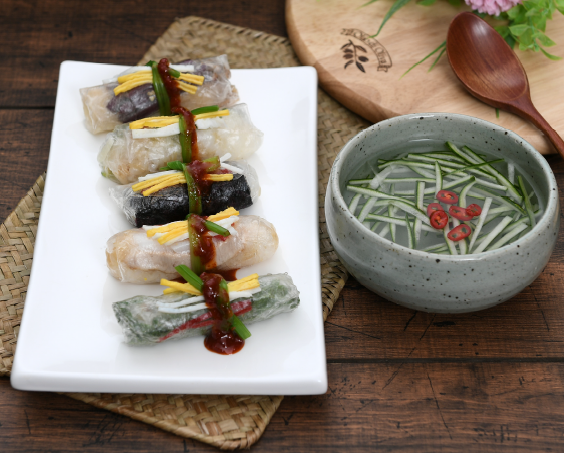
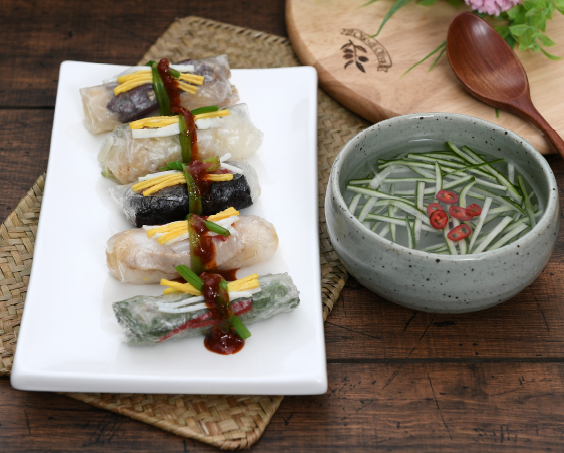
This guide on how to make Oinaenggukeul Gyeotdeulin Osaekssambap (Colorful Ssam Rice with Chilled Cucumber Soup) is based on official MFDS (Ministry of Food and Drug Safety) data, ensuring authenticity and nutritional accuracy for this vibrant Korean dish. Oinaenggukeul Gyeotdeulin Osaekssambap is a refreshing and visually appealing meal, perfect for warmer weather or as a light, healthy option. It features a delightful combination of individually prepared ingredients wrapped in rice paper or pickled radish, served alongside a crisp, chilled cucumber soup.
### Ingredients (Serves 1)
* **Pork Tenderloin:** 100g (Ansim)
* **Rice:** 200g (Ssal)
* **Bellflower Root:** 30g (Doraji), cleaned and shredded
* **Korean Zucchini:** 1/2 pc (Aehobak), julienned
* **Onion:** 30g (Yangpa), thinly sliced
* **Red Chili Pepper:** 1 pc (Honggochu), julienned for garnish
* **Water Celery:** 20g (Minari), blanched and chopped
* **Cucumber:** 50g (Oi), julienned (for soup)
* **Mung Bean Jelly:** 20g (Cheongpomuk), julienned
* **Pickled Radish Wraps:** 20g (Ssammupickled), thin slices
* **Egg:** 1 pc (Dalgyal), separated into yolk and white for garnish
* **Rice Paper:** 5 sheets (Raiseupeipeo)
* **Gochujang:** 20g (Korean chili paste), for dipping sauce
* **Salt:** 0.3g (Sogeum)
* **Sesame Oil:** 5g (Chamgireum)
* **Gochugaru:** 10g (Korean chili powder), for soup
### Nutrition Information
Based on official MFDS data, a single serving of Oinaenggukeul Gyeotdeulin Osaekssambap provides:
* **Calories:** 379.4 kcal
### How to Make Oinaenggukeul Gyeotdeulin Osaekssambap
This recipe combines traditional Korean cooking techniques to create a balanced and flavorful meal.
1. **Prepare the Rice:** Wash 200g of rice thoroughly and cook it according to package directions. Once cooked, gently season with a pinch of salt and a drizzle of sesame oil.
2. **Cook Individual Toppings:**
* **Pork Tenderloin:** Thinly slice pork tenderloin and stir-fry until fully cooked. Season lightly with salt.
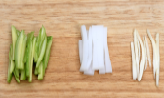
* **Bellflower Root & Korean Zucchini:** Lightly sauté julienned bellflower root and Korean zucchini separately until tender-crisp. Season with salt.
* **Egg Garnish:** Separate the egg. Make thin pan-fried sheets (jidan) from both yolk and white, then julienne them.
* **Mung Bean Jelly & Water Celery:** Briefly blanch water celery and mung bean jelly. Drain and season with a tiny bit of salt and sesame oil.
*
3. **Assemble the Wraps:** On a plate, arrange the cooked rice, prepared pork, bellflower root, Korean zucchini, egg jidan, mung bean jelly, and water celery.
* Dip rice paper sheets briefly in warm water until pliable.
* Place a small amount of rice and a selection of toppings onto each rice paper or pickled radish wrap.
* Fold neatly into bite-sized rolls.
4. **Prepare Oinaengguk (Chilled Cucumber Soup):**
* Combine julienned cucumber, onion, and red chili pepper in a bowl.
* For the soup broth, mix cold water with gochugaru, a touch of salt, and a dash of vinegar (not listed, but common in naengguk for tanginess). Adjust seasoning to taste.
* Pour the chilled broth over the vegetables.
5. **Serve:** Arrange the colorful ssam wraps on a platter alongside the refreshing Oinaengguk. Provide gochujang as a dipping sauce.
### Cultural and Regional Significance
Osaekssambap embodies the Korean culinary philosophy of ‘obaeksaek’ (five colors), where dishes are prepared with ingredients representing five traditional colors (red, green, yellow, white, black) for both aesthetic appeal and nutritional balance. *Ssam*, meaning “wrap,” is a fundamental part of Korean dining, encouraging communal eating and the enjoyment of varied textures and flavors in each bite. *Naengguk*, or chilled soups, are beloved especially during the hot summer months for their refreshing qualities, with Oi Naengguk being a classic choice.
### Mom’s Tips for Perfect Ssam
* **Rice Texture is Key:** For ssam, slightly sticky rice works best to hold the ingredients together without being too dry. Ensure your rice is freshly cooked.
* **Prep for Color and Texture:** Cook each vegetable separately to maintain its distinct color and texture. Avoid overcooking to keep them vibrant and slightly crisp.
* **Soup Seasoning Balance:** When making the Oinaengguk, taste and adjust the seasoning carefully. The balance of salt, a hint of sweetness (optional), and tang from vinegar (if using) is crucial for a refreshing broth.
### Frequently Asked Questions
**Q: Can I prepare Osaekssambap ahead of time?**
A: While the individual components can be prepped, it’s best to assemble the wraps just before serving to prevent the rice paper from becoming too soft or dry. The Oinaengguk broth can be made in advance and chilled.
**Q: What are good substitutes for pork tenderloin?**
A: You can substitute pork with thinly sliced chicken breast, beef bulgogi-style meat, or even firm tofu for a vegetarian option. The key is to cut the protein thinly and season it well.
📸 Recipe Gallery
📺 For reference, here’s a recommended YouTube video related to “오이냉국을 곁들인 오색쌈밥”.
📹 Video sourced via YouTube. All rights belong to the respective creator.