The Complete Guide to Authentic Kkochgesalguk: A Korean Kitchen Masterclass
🇰🇷 The recipe below is based on official Korean MFDS (Ministry of Food and Drug Safety) data.
This comprehensive guide is dedicated to crafting an authentic Kkochgesalguk (Flower Crab Meat Soup), a beloved Korean seafood delicacy. Its precise ingredient measurements and foundational nutritional insights are drawn directly from official MFDS (Ministry of Food and Drug Safety) data, ensuring both accuracy and reliability. Discover how to make Kkochgesalguk at home, creating a comforting, flavorful, and incredibly satisfying soup, perfect for any occasion when you crave a taste of traditional Korean cuisine.
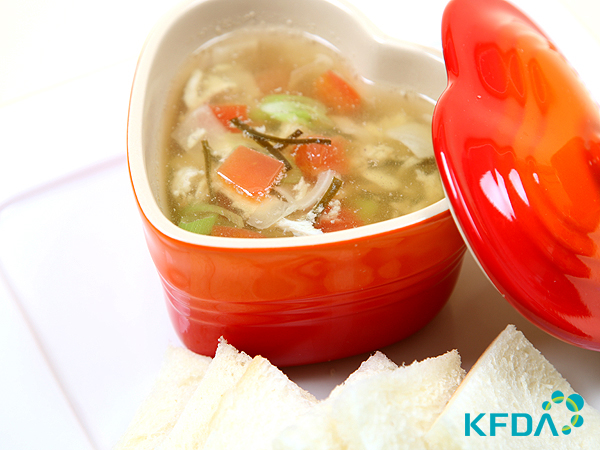
### Ingredients for Authentic Kkochgesalguk
To prepare a truly authentic Kkochgesalguk, gather these fresh ingredients:
* 70g Kkotge (Flower Crab), yielding approximately 30g pure crab meat (use fresh for best results, or thoroughly defrosted frozen crab)
* 20g Yangbaechu (Cabbage), roughly chopped for texture
* 20g Tomato, finely diced
* 6g Doenjang (Korean Soybean Paste), a cornerstone of Korean soup flavor
* 5g Pa (Green Onion), thinly sliced for garnish and aromatic finish
* 3g Geondasima (Dried Kelp), essential for a clean, savory broth base
* 2.5g Dajin Maneul (Minced Garlic), for depth of flavor
* 200g Mul (Water), for the soup base
* *Substitutes:* If fresh Kkotge is unavailable, high-quality frozen crab meat works well, though the nuanced sweetness may vary. Napa cabbage can be used in place of regular cabbage for a softer bite.
### Nutrition (per serving, based on MFDS data)
| Component | Amount |
| :———— | :———- |
| Calories | 114 kcal |
| Protein | 14.2 g |
| Fat | 3.5 g |
| Carbohydrates | 6.8 g |
| Sodium | 480 mg |
This Kkochgesalguk recipe yields a nutritious soup, providing a significant source of lean protein with a moderate calorie count, making it a healthy and satisfying addition to any meal plan.
### How to Make Kkochgesalguk: A Detailed Step-by-Step Guide
1. **Prepare the Broth Base:** In a small pot, combine 200g Mul (water) with 3g Geondasima (dried kelp). Bring the water to a gentle simmer over medium heat for approximately 10 minutes. Once the kelp has infused its flavor, carefully remove and discard it.
2. **Infuse with Doenjang:** Add 6g Doenjang (Korean soybean paste) into the simmering kelp broth. Stir continuously until the doenjang is fully dissolved and incorporated, ensuring a smooth, flavorful base without any lumps.
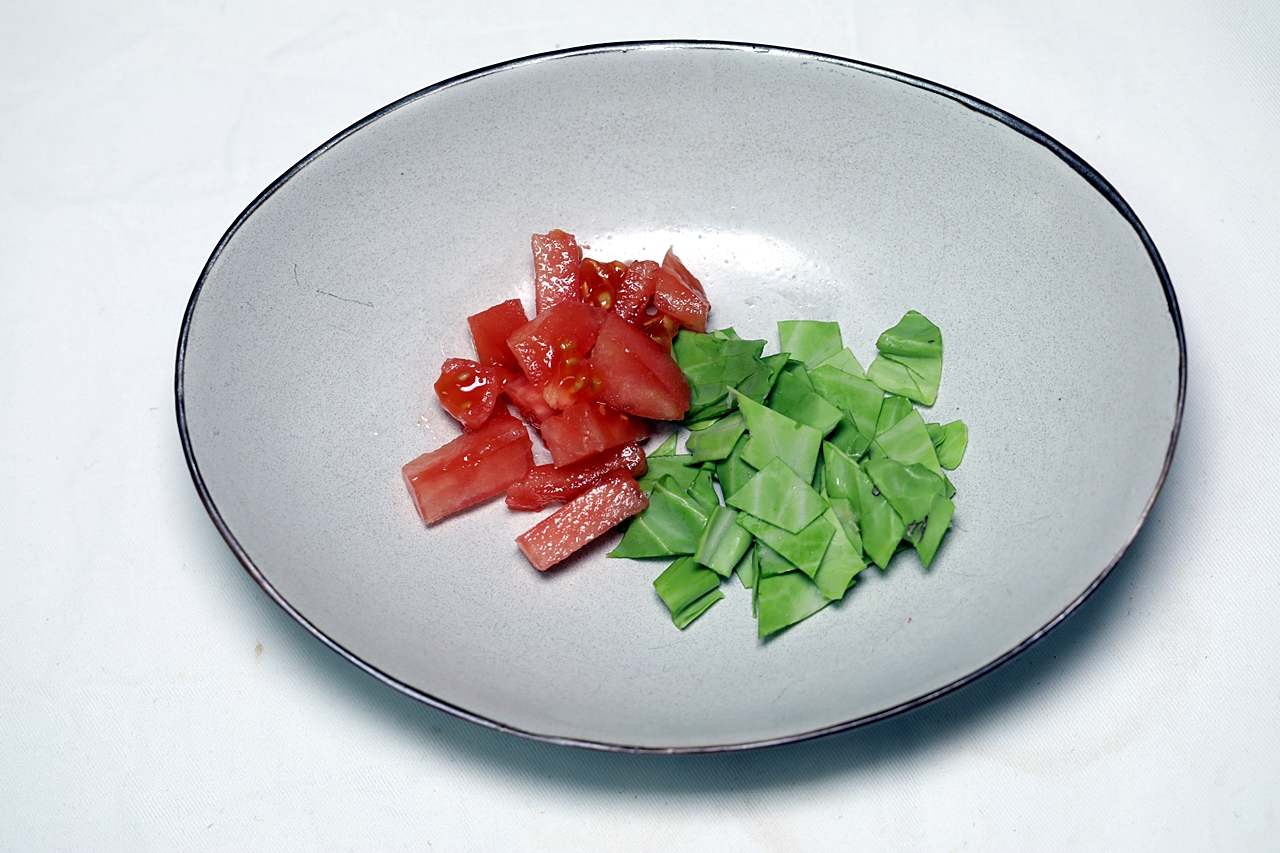
3. **Introduce Main Ingredients:** Gently add the 70g Kkotge (flower crab, or 30g shelled crab meat), 20g roughly chopped Yangbaechu (cabbage), and 20g diced Tomato to the pot. Increase the heat slightly to bring the soup back to a light simmer.
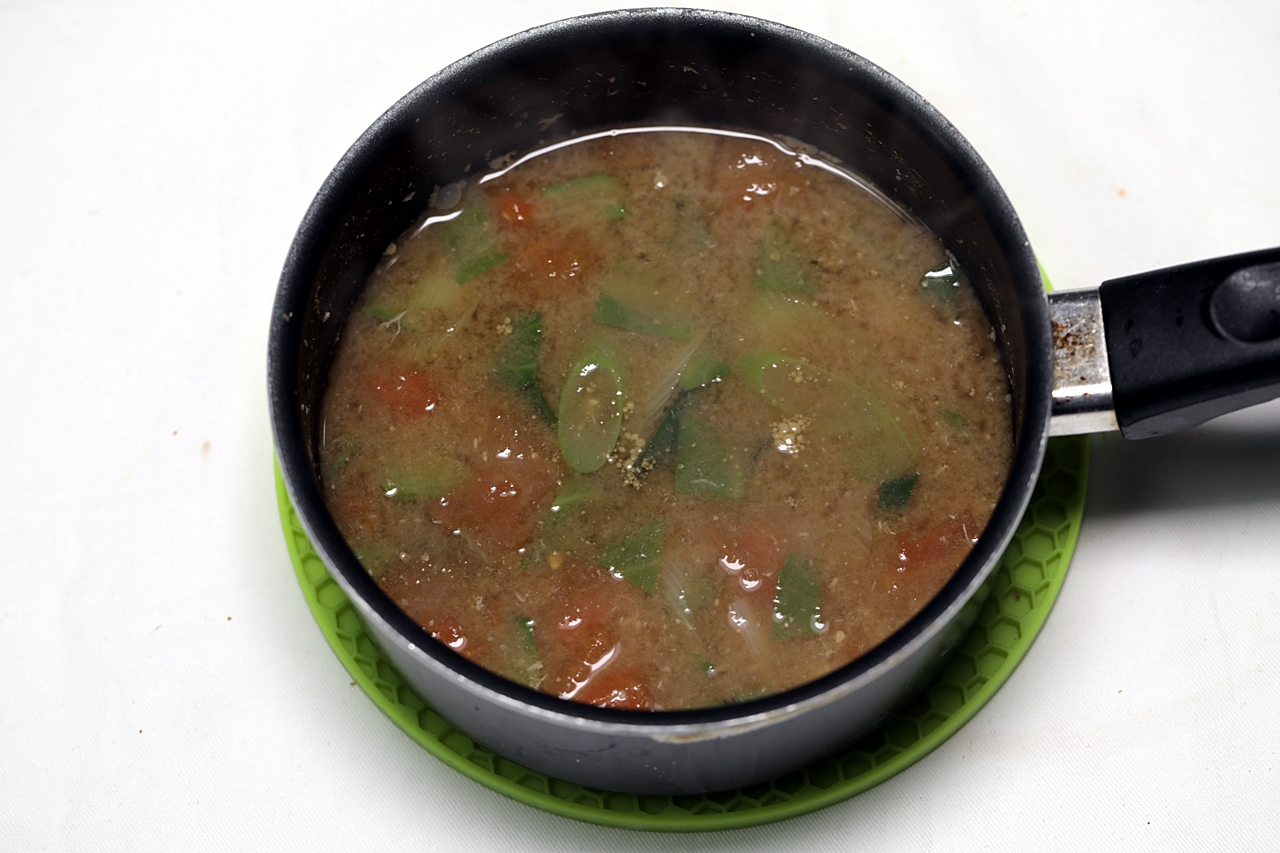
4. **Simmer and Develop Flavors:** Reduce the heat to low, allowing the soup to gently simmer for 10-15 minutes. This duration ensures the cabbage becomes tender, and the crab meat is thoroughly cooked, releasing its sweet essence into the broth.
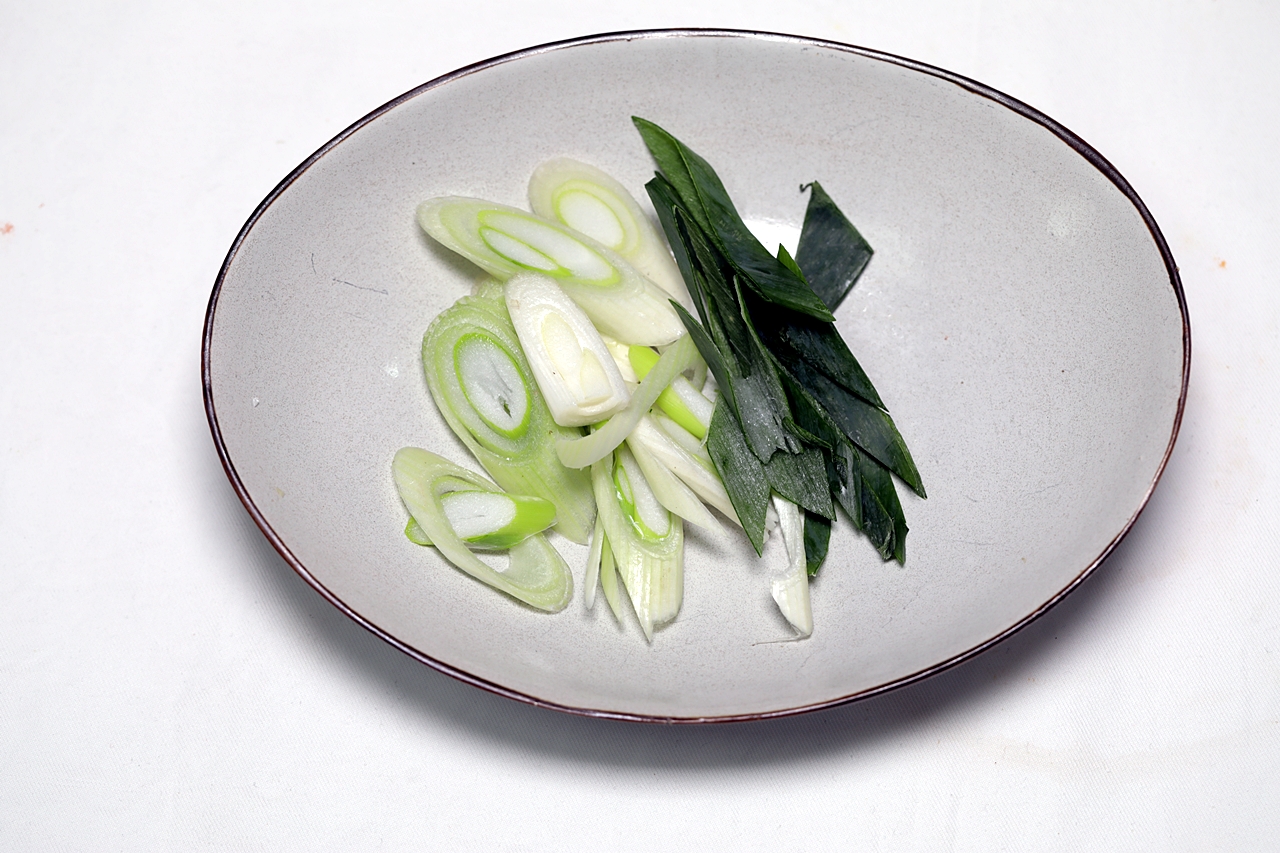
5. **Finish with Aromatics:** In the final 2-3 minutes of cooking, stir in 2.5g Dajin Maneul (minced garlic) and 5g chopped Pa (green onion). This adds a fresh, pungent aroma. Taste and adjust seasoning if needed. Serve your Kkochgesalguk piping hot.
### Mom’s Tips for a Perfect Kkochgesalguk
* **Crab Freshness is Key:** The soul of Kkochgesalguk lies in the natural sweetness of Kkotge. Always aim for the freshest possible flower crab. If using frozen, ensure it’s completely thawed and patted dry to prevent diluting the delicate broth.
* **Quality Doenjang Matters:** Invest in a good quality, traditionally fermented Korean soybean paste. Its complex, savory depth is irreplaceable and elevates the entire dish.
* **Maintain a Gentle Simmer:** Once the crab is in, avoid vigorous boiling. A gentle simmer allows the delicate flavors of the crab and vegetables to meld beautifully without overcooking the seafood, keeping the crab meat tender and succulent.
### Kkochgesalguk: A Glimpse into Korean Culinary Culture
Kkochgesalguk, deeply rooted in Korea’s culinary traditions, especially in its coastal provinces, beautifully showcases the refreshing sweetness of flower crab. It stands as a cherished comfort food, exemplifying the Korean approach to cooking where fresh, seasonal ingredients and clean, balanced flavors are paramount. This soup is frequently enjoyed as a wholesome light meal or as a complementary dish within a larger Korean dining experience.
### Frequently Asked Questions (FAQ)
* **Q: Can I use different types of crab for Kkochgesalguk?**
* A: While Kkotge (flower crab) imparts the most authentic and distinct flavor, you can certainly experiment with other types of sweet white crab meat if Kkotge is unavailable. Be aware that the flavor profile may vary slightly from the traditional.
* **Q: What are the best side dishes to serve with Kkochgesalguk?**
* A: Kkochgesalguk pairs wonderfully with a simple bowl of freshly steamed white rice, a selection of vibrant kimchi varieties (such as baechu kimchi or kkakdugi), and other light Korean banchan (side dishes) like seasoned spinach or stir-fried zucchini.
📸 Recipe Gallery
📺 For reference, here’s a recommended YouTube video related to “꽃게살국”.
📹 Video sourced via YouTube. All rights belong to the respective creator.