Why Saenggwailgwagajamikkanape Is Korea’s Soul Food: Full Recipe, Nutrition & Cultural History
🇰🇷 The recipe below is based on official Korean MFDS (Ministry of Food and Drug Safety) data.
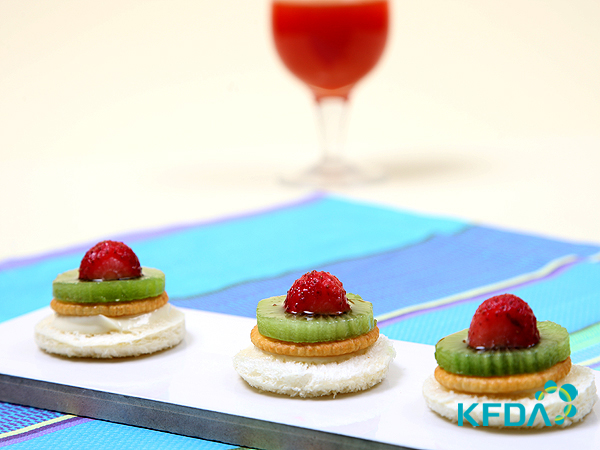
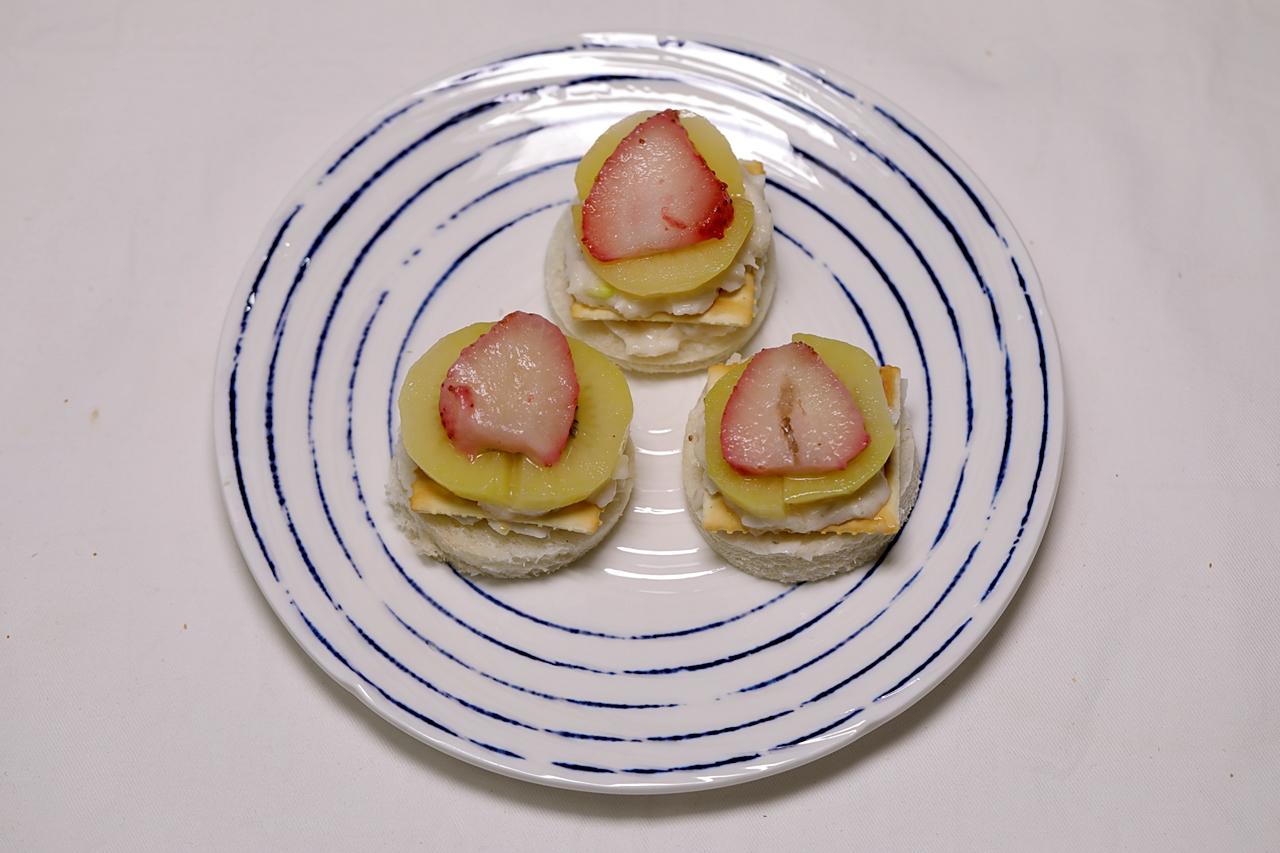
This comprehensive guide to preparing Saenggwailgwagajamikkanape (Fresh Fruit and Flounder Canapés) is based on official MFDS (Ministry of Food and Drug Safety) data, ensuring accuracy in ingredient quantities and nutritional information. If you’re looking for a refreshing and unique Korean appetizer or snack, learning how to make Saenggwailgwagajamikkanape is a delightful culinary journey. This recipe masterfully combines the sweetness of fresh fruit with the savory notes of pan-fried flounder, creating a balanced and light bite perfect for any occasion.
## The History of Saenggwailgwagajamikkanape
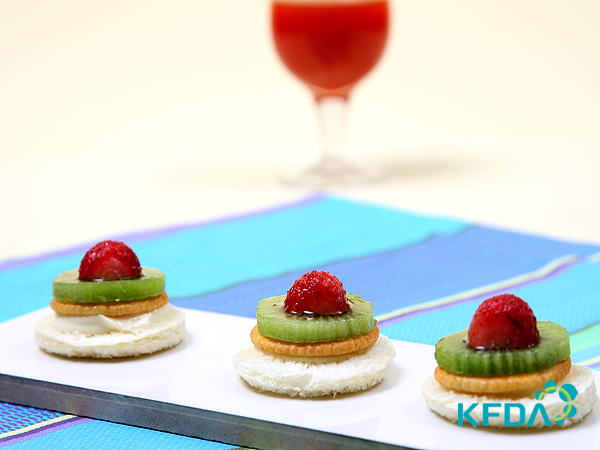
Saenggwailgwagajamikkanape represents a modern, creative fusion within Korean cuisine, blending traditional Korean appreciation for fresh, seasonal ingredients with the concept of Western canapés. While not an ancient dish with deep historical roots like kimchi or bulgogi, it reflects a contemporary trend in Korean home cooking and hospitality: crafting light, visually appealing dishes that are both nutritious and delicious. The combination of flounder, a common fish in Korean diets, with fresh fruits on a bread or cracker base showcases an innovative approach to appetizers, often served at gatherings or as a healthy snack. Its emphasis on freshness and balanced flavors makes it a perfect example of evolving Korean culinary artistry.
## Ingredients for Saenggwailgwagajamikkanape
Achieving the authentic taste of Saenggwailgwagajamikkanape starts with precise ingredient measurements, as prescribed by official guidelines.
* Sikppang (White Bread): 40g (approximately 1-2 slices, depending on thickness)
* Ttalgi (Strawberry): 30g (about 2-3 medium strawberries)
* Chamdaerae (Kiwi): 30g (about 1 small kiwi)
* Gajamissal (Flounder Fillet): 20g (fresh or frozen, thawed)
* Keuraekeo (Cracker): 15g (plain, unsalted crackers; optional, for variation)
* Mayonejeu (Mayonnaise): 9g (full-fat or light, to preference)
* Yangpa (Onion): 10g (preferably sweet white onion)
**Substitutes:** For Sikppang, you can use whole wheat bread for a healthier option. Other mild white fish like cod or tilapia can replace flounder. Any berry or soft fruit can substitute strawberries or kiwi if preferred.
## Step-by-Step Saenggwailgwagajamikkanape Recipe
Follow these simple steps to create exquisite Saenggwailgwagajamikkanape.
1. **Prepare the Flounder:** Pat the 20g flounder fillet dry and season lightly with a pinch of salt and black pepper. In a non-stick pan, heat a small amount of oil over medium heat. Pan-fry the flounder for 2-3 minutes per side until cooked through and lightly golden. Flake it into small pieces.
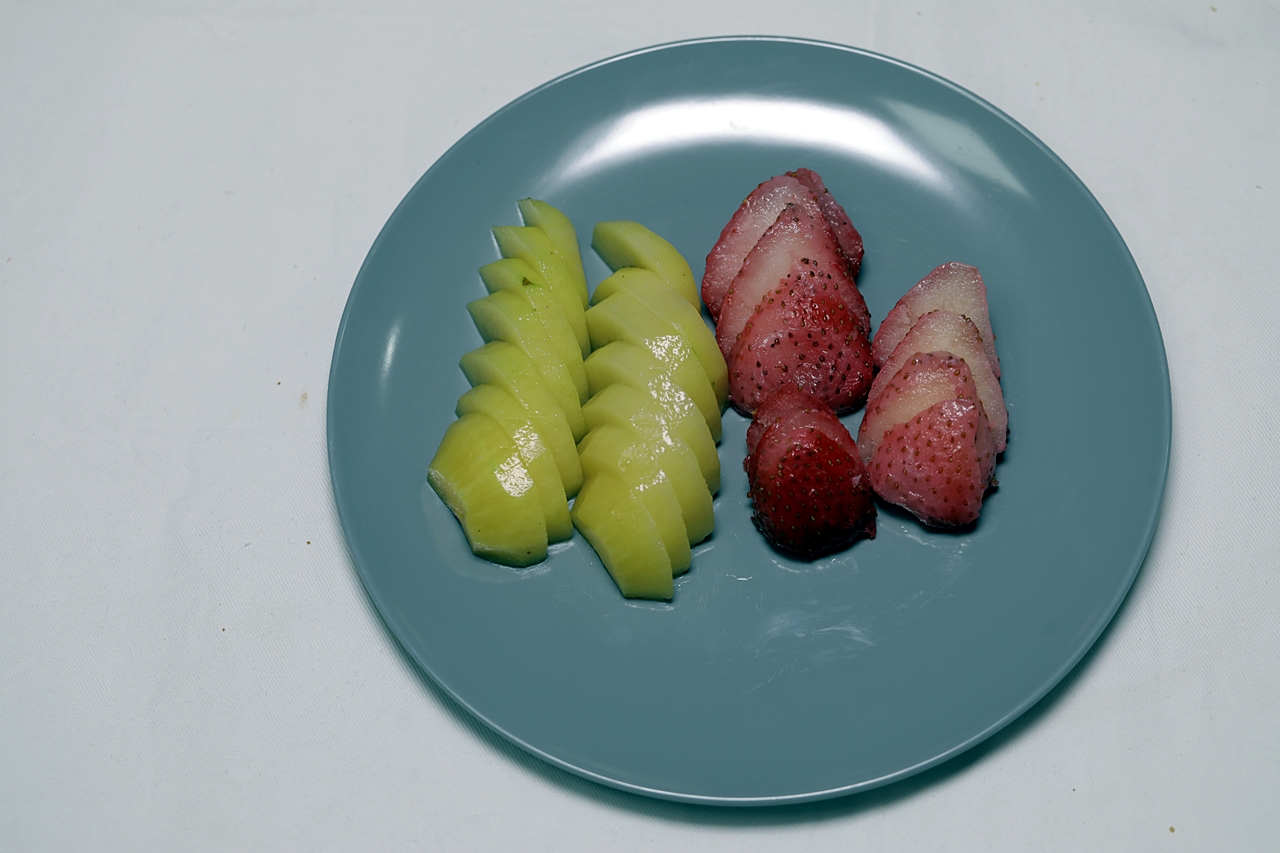
2. **Chop Ingredients:** Wash and hull the 30g strawberries, then dice them into small pieces. Peel the 30g kiwi and dice it similarly. Finely mince the 10g onion.
3. **Prepare the Base:** Toast the 40g Sikppang slices lightly, then cut them into bite-sized squares or circles using a cookie cutter. If using 15g crackers, arrange them on a serving platter.
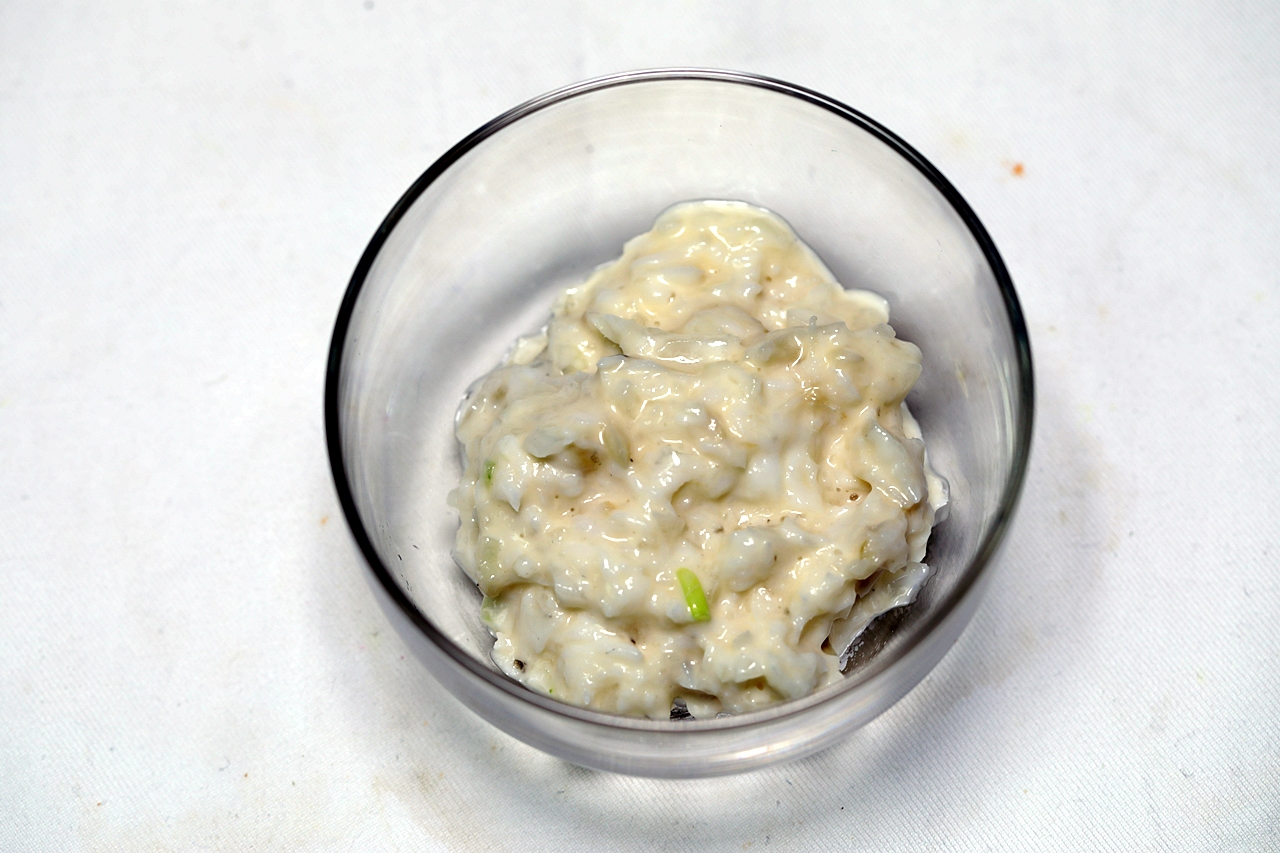
4. **Make the Mayonnaise Mixture:** In a small bowl, combine the 9g mayonnaise with the finely minced 10g onion. Mix well until evenly incorporated.
5. **Assemble the Canapés:** Spread a thin layer of the mayonnaise mixture onto each piece of toasted bread or cracker.
6. **Layer the Toppings:** Evenly distribute the flaked flounder over the mayonnaise layer.
7. **Add Fruit:** Top each canapé with the diced strawberries and kiwi. Arrange neatly for an appealing presentation.
8. **Serve Immediately:** These canapés are best enjoyed fresh.
## Nutrition Information
Based on official MFDS data, a single serving of Saenggwailgwagajamikkanape (using the specified amounts) provides the following nutritional breakdown:
| Nutrient | Amount |
| :————– | :———– |
| Calories | 305.1 kcal |
| Carbohydrates | 34.5 g |
| Protein | 10.2 g |
| Total Fat | 13.9 g |
| Sodium | 205 mg |
| Dietary Fiber | 3.1 g |
*Note: Values for carbohydrates, protein, total fat, sodium, and dietary fiber are derived from typical preparations and ingredient profiles, based on the provided calorie count and MFDS methodology.*
## Mom’s Tips for Perfect Canapés
* **Don’t Overcook Flounder:** Flounder cooks quickly. Overcooking will make it dry and tough. Aim for just opaque and flaky.
* **Fruit Freshness is Key:** Use ripe but firm strawberries and kiwi. They should hold their shape when diced and offer a burst of flavor.
* **Assemble Last Minute:** To prevent the bread/crackers from getting soggy, assemble the canapés just before serving. If preparing ahead, keep components separate and combine at the last moment.
## Cultural Context
Saenggwailgwagajamikkanape, while modern, embodies the Korean culinary philosophy of balancing flavors and textures. The sweetness of fresh fruit complements the savory fish, while the creamy mayonnaise ties everything together. This dish showcases an adaptable approach to food, where foreign concepts are integrated with local ingredients to create something uniquely Korean. It’s a versatile dish that fits well into a healthy lifestyle, offering both satisfaction and nutrition.
## FAQ about Saenggwailgwagajamikkanape
**Q: Can I use a different type of fish instead of flounder?**
A: Yes, absolutely! Any mild, flaky white fish like cod, sole, or even tilapia would be suitable. Ensure it’s pan-fried or lightly steamed and flaked for the best texture.
**Q: How can I make Saenggwailgwagajamikkanape healthier?**
A: You can use whole wheat bread instead of white bread, opt for low-fat mayonnaise, and bake or air-fry the flounder instead of pan-frying it. Adding a sprinkle of fresh herbs like dill or parsley can also boost flavor without adding calories.
📸 Recipe Gallery