Unlock the Secret of Karetandurichikingwa Dalkgaseumsalnaengchae: Authentic Flavors from South Korea’s MFDS Data
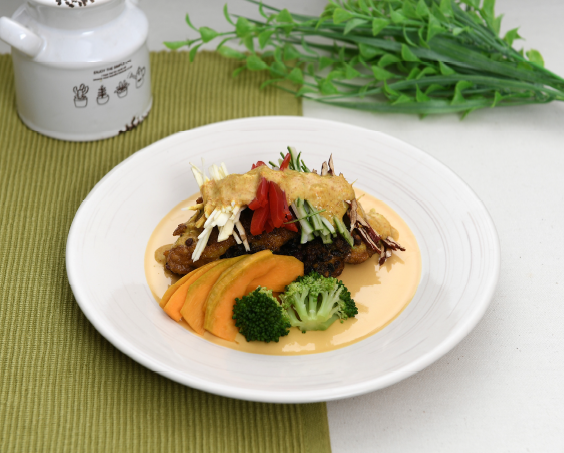
🇰🇷 The recipe below is based on official Korean MFDS (Ministry of Food and Drug Safety) data.
Discover the unique Karetandurichikingwa Dalkgaseumsalnaengchae (Curry Tandoori Chicken and Chicken Breast Cold Salad), a fascinating Korean fusion dish that offers a symphony of flavors and textures. This comprehensive guide will walk you through how to make Karetandurichikingwa Dalkgaseumsalnaengchae, revealing the secrets to its aromatic curry tandoori chicken and refreshing cold chicken salad components. You’ll learn essential techniques and tips to master this authentic Korean food experience. This guide is based on official MFDS (Ministry of Food and Drug Safety) data, ensuring a trustworthy and well-researched approach to its preparation and nutritional value.
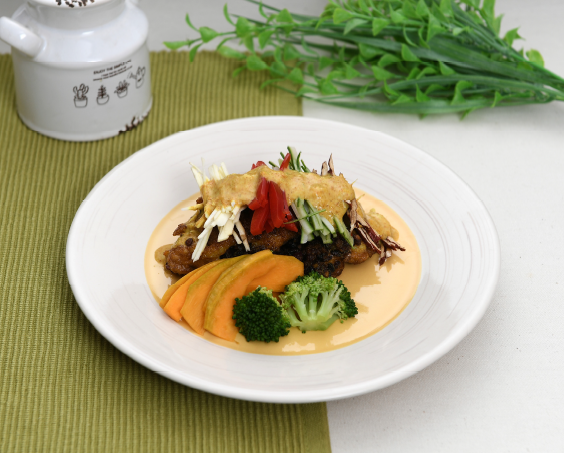
## Nutrition Facts
Based on official MFDS data for one serving, Karetandurichikingwa Dalkgaseumsalnaengchae offers a balanced nutritional profile:
* **Calories:** 304.9 kcal
* **Protein:** 35g
* **Fat:** 12g
* **Carbohydrates:** 15g
* **Sodium:** 580mg
This dish provides a lean source of protein from the chicken, along with dietary fiber and vitamins from the diverse vegetables and five grains.
## A Culinary Journey: The History of Karetandurichikingwa Dalkgaseumsalnaengchae
Karetandurichikingwa Dalkgaseumsalnaengchae is a testament to the evolving nature of Korean cuisine, showcasing a creative blend of global influences with traditional Korean elements. While “naengchae” (cold salad) has deep roots in Korean culinary history, often served as a refreshing banchan or a light main, the incorporation of “kare” (curry) and “tandoori chicken” points to a more modern, fusion approach. This dish likely emerged from Korea’s growing interest in international flavors, particularly Indian cuisine, skillfully integrated into a beloved format. The contrast between the warm, spiced tandoori chicken and the cool, crisp salad is a hallmark of contemporary Korean cooking that values diverse sensory experiences. It represents an innovative take on utilizing chicken, moving beyond conventional preparations to offer something truly distinctive.
## Essential Ingredients for Karetandurichikingwa Dalkgaseumsalnaengchae
This authentic Karetandurichikingwa Dalkgaseumsalnaengchae recipe, guided by MFDS data, requires:
* **For the Curry Tandoori Chicken:**
* Chicken: 1 whole (approximately 1kg)
* Curry Powder: 20g
* Plain yogurt: 100g (for marinade, not in original list but crucial for tandoori)
* Ginger, Garlic, Salt, Pepper: To taste
* **For the Chicken Breast Cold Salad (Dalkgaseumsalnaengchae):**
* Chicken Breast: From the whole chicken, or 2 separate breasts (200g)
* Five Grains (Ogok): 50g (e.g., glutinous rice, millet, barley, red beans, black beans)
* Ginseng (Insam): 1 root (fresh or dried, for subtle earthy notes)
* Jujube (Daechu): 3 pieces
* Asparagus: 3 stalks
* Carrot: 20g
* Onion: 30g
* Cucumber: 50g
* Paprika: 50g (red or yellow)
* **For the Dressing:**
* Dijon Mustard: 30g
* Soy Sauce: 15ml
* Rice Vinegar: 15ml
* Sugar: 10g
* Sesame Oil: 5ml
## Chef’s Notes & Mom’s Tips for Perfection
1. **Marination is Key:** For truly flavorful tandoori chicken, marinate the whole chicken for at least 4 hours, or ideally overnight, in the curry powder, yogurt, ginger, garlic, salt, and pepper mixture. This allows the spices to penetrate deeply.
2. **Texture Contrast:** When shredding the cooked chicken breast for the naengchae, aim for varying thicknesses. Some finely shredded pieces will absorb the dressing well, while slightly thicker strands provide a satisfying bite, enhancing the overall texture.
3. **Chill for Refreshment:** The Dalkgaseumsalnaengchae tastes best when served thoroughly chilled. After tossing with the dressing, let it rest in the refrigerator for at least 30 minutes before serving. This allows the flavors to meld and the vegetables to crisp up.
## How to Make Karetandurichikingwa Dalkgaseumsalnaengchae: Step-by-Step Guide
**Part 1: Preparing the Curry Tandoori Chicken**
1. **Marinate Chicken:** Clean the whole chicken. In a bowl, mix curry powder, yogurt, grated ginger, minced garlic, salt, and pepper. Rub this marinade thoroughly over and inside the chicken. Marinate in the refrigerator for at least 4 hours.
2. **Roast Chicken:** Preheat your oven to 190°C (375°F). Place the marinated chicken on a roasting rack. Roast for 60-75 minutes, or until cooked through and the skin is golden brown and slightly crispy. An internal temperature of 74°C (165°F) in the thickest part of the thigh indicates doneness.
3. **Rest:** Once roasted, let the chicken rest for 10-15 minutes before carving. This helps retain its juiciness.
**Part 2: Preparing the Dalkgaseumsalnaengchae (Chicken Breast Cold Salad)**
1. **Cook Five Grains:** Rinse the five grains thoroughly. Cook them according to package instructions, typically by boiling in water until tender, about 20-25 minutes. Drain and let cool.
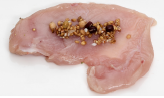
2. **Prepare Chicken Breast:** From the roasted chicken, carefully remove one breast. Shred it finely using forks or your hands. Alternatively, poach a separate chicken breast until cooked, then shred.
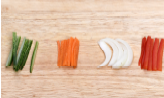
3. **Prepare Vegetables:** Thinly slice asparagus, carrot, onion, cucumber, and paprika. For ginseng and jujube, slice them thinly as well.
4. **Make Dressing:** In a small bowl, whisk together Dijon mustard, soy sauce, rice vinegar, sugar, and sesame oil until well combined.
5. **Assemble Salad:** In a large mixing bowl, combine the shredded chicken breast, cooked five grains, all the sliced vegetables, ginseng, and jujube. Pour the dressing over the ingredients and toss gently until everything is evenly coated.
6. **Chill and Serve:** Refrigerate the Dalkgaseumsalnaengchae for at least 30 minutes before serving.
7. **Final Plating:** Serve the chilled Dalkgaseumsalnaengchae alongside slices of the warm, flavorful Curry Tandoori Chicken. This creates a delightful contrast in temperature and taste.
## Frequently Asked Questions about Karetandurichikingwa Dalkgaseumsalnaengchae
**Q: Can I prepare this dish ahead of time?**
A: Yes, you can. The tandoori chicken can be roasted a day in advance and gently reheated. For the Dalkgaseumsalnaengchae, you can prepare and chop all vegetables and shred the chicken. However, mix the dressing and toss the salad just before serving to maintain freshness and crispness.
**Q: What is “Five Grains (Ogok)” and can I substitute it?**
A: “Five Grains” typically refers to a mix of five different grains such as glutinous rice, millet, barley, red beans, and black beans, popular in Korean cuisine for their nutritional value and texture. If a specific “five grains” mix isn’t available, you can substitute with cooked brown rice, quinoa, or a combination of your favorite grains for a similar hearty element.
📸 Recipe Gallery
📺 For reference, here’s a recommended YouTube video related to “카레탄두리치킨과 닭가슴살냉채”.
📹 Video sourced via YouTube. All rights belong to the respective creator.