Why Chamnamuldwaejigogisaelreodeu Is Korea’s Soul Food: Full Recipe, Nutrition & Cultural History
🇰🇷 The recipe below is based on official Korean MFDS (Ministry of Food and Drug Safety) data.
This guide, focusing on the fresh and flavorful Chamnamuldwaejigogisaelreodeu (Pork and Chamnamul Salad) recipe, is based on official MFDS (Ministry of Food and Drug Safety) data. Learn how to make Chamnamuldwaejigogisaelreodeu, a vibrant Korean dish that perfectly balances savory pork with aromatic greens, offering a refreshing culinary experience.
### History of Chamnamuldwaejigogisaelreodeu
Korean cuisine often features a wide array of salads and vegetable side dishes, known as banchan, that complement heartier main courses. The practice of incorporating wild greens like chamnamul into meals dates back centuries, valued for their distinct flavor and nutritional benefits. While specific origins for Chamnamuldwaejigogisaelreodeu as a distinct salad are less documented than ancient staples, it embodies a modern take on traditional Korean flavors, adapting healthy ingredients into a light, well-balanced meal. It reflects a growing preference for fresh, nutritious options.
### What is Chamnamuldwaejigogisaelreodeu?
Chamnamuldwaejigogisaelreodeu is a refreshing Korean salad featuring tender pork shoulder or leg, typically stir-fried or pan-seared, tossed with crisp chamnamul greens and other fresh vegetables, all coated in a tangy and savory soy-based dressing. It’s a harmonious blend of textures and tastes, perfect as a light meal or a healthy side.
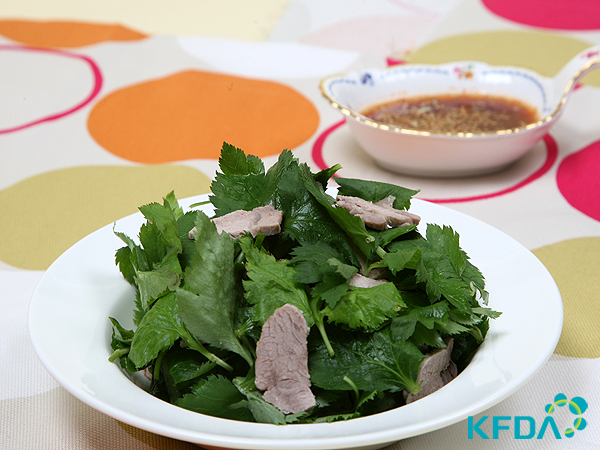
### Ingredients
This recipe serves one, based on official MFDS portion sizes.
**For the Pork and Vegetables:**
* Dwaejigogisatae (pork leg/shoulder): 60g (thinly sliced)
* Chamnamul (pignut/chamnamul greens): 20g (fresh, washed) – *Substitute: watercress or arugula*
* Yangpa (onion): 15g (sliced)
* Pa (green onion): 5g (chopped)
* Tongmaneul (whole garlic): 3g (minced)
* Saenggang (ginger): 2g (minced)
* Huchutgaru (black pepper powder): 0.5g
**For the Dressing:**
* Yangpa (onion): 10g (finely grated or minced)
* Ganjang (soy sauce): 4g
* Sikcho (vinegar, preferably rice vinegar): 4g
* Seoltang (sugar): 3g
* Maneul (minced garlic): 3g
* Gochutgaru (chili powder): 1g (adjust to taste for spice)
* Olleubeuyu (olive oil): 1g
* Tongkkae (toasted sesame seeds): 0.5g
### Cooking Steps
1. **Prepare the Pork:** Season the thinly sliced dwaejigogisatae with minced tongmaneul, saenggang, and huchutgaru. Mix well to ensure the pork is evenly coated.
2. **Cook the Pork:** Heat a pan over medium-high heat. Add the seasoned pork and stir-fry for 5-7 minutes, or until the pork is thoroughly cooked and lightly browned. Remove from heat and let cool slightly.
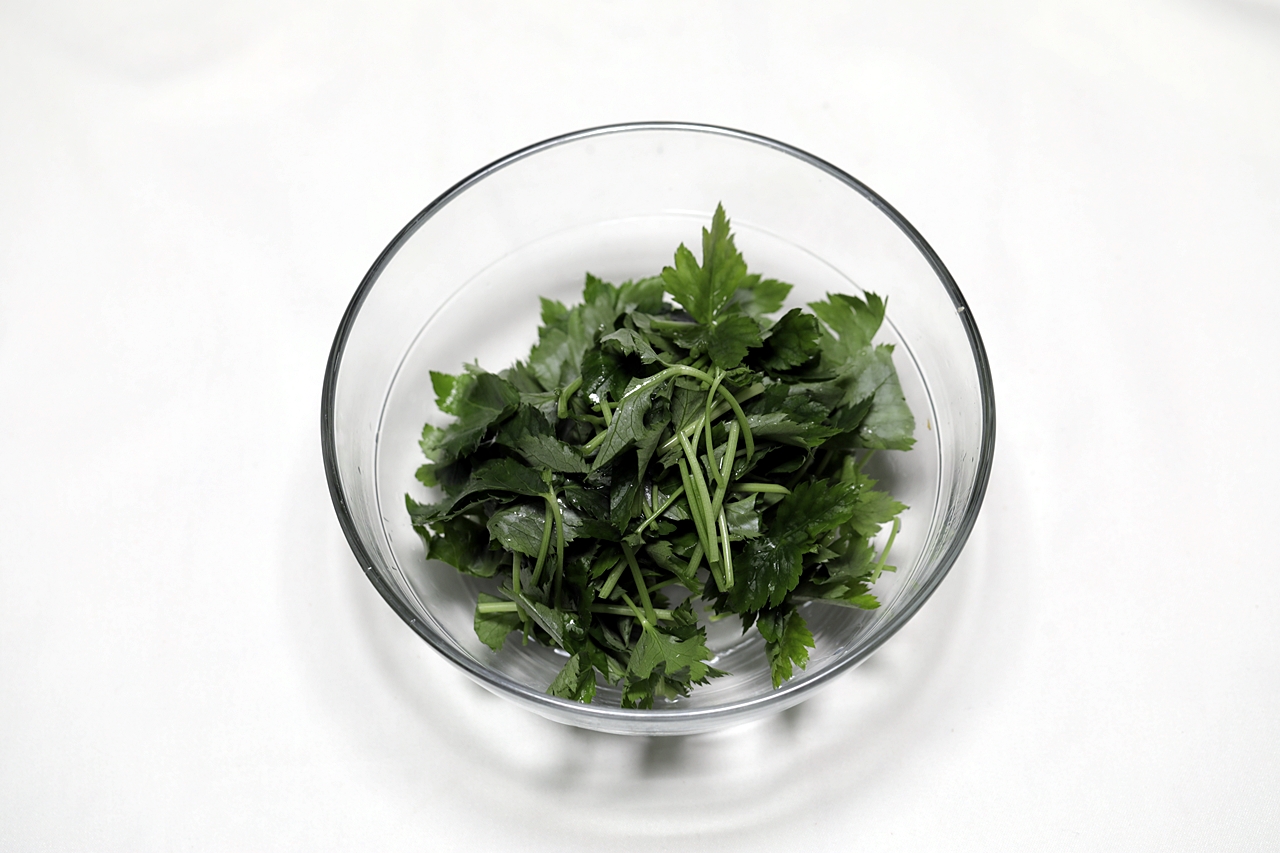
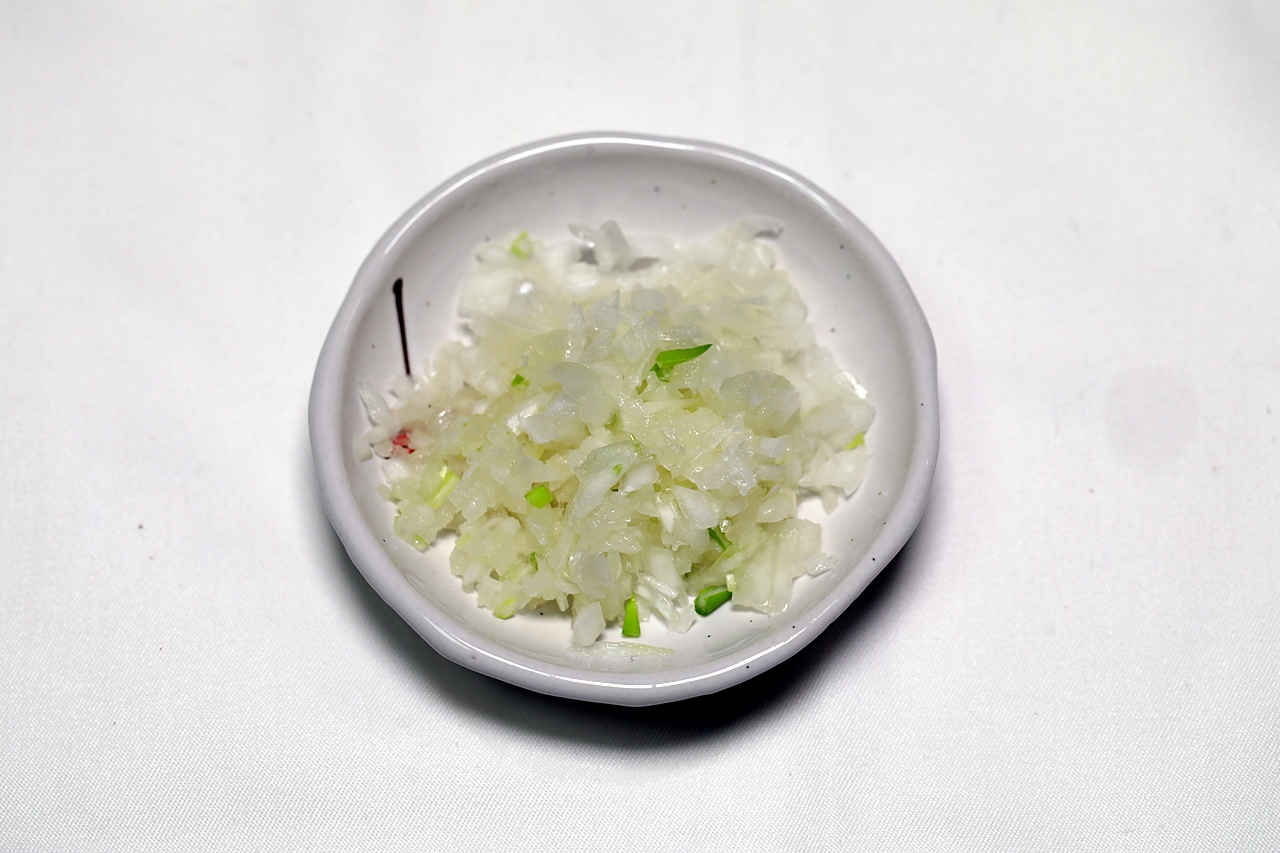
3. **Prepare Vegetables:** While the pork cools, wash the chamnamul thoroughly. Slice the yangpa and chop the pa. For the dressing, finely mince or grate the 10g of yangpa.
4. **Make the Dressing:** In a small bowl, combine all dressing ingredients: grated yangpa, ganjang, sikcho, seoltang, minced maneul, gochutgaru, olleubeuyu, and tongkkae. Whisk until sugar dissolves and the dressing is well combined.
5. **Assemble the Salad:** In a large mixing bowl, combine the cooked pork, chamnamul, sliced yangpa, and chopped pa.
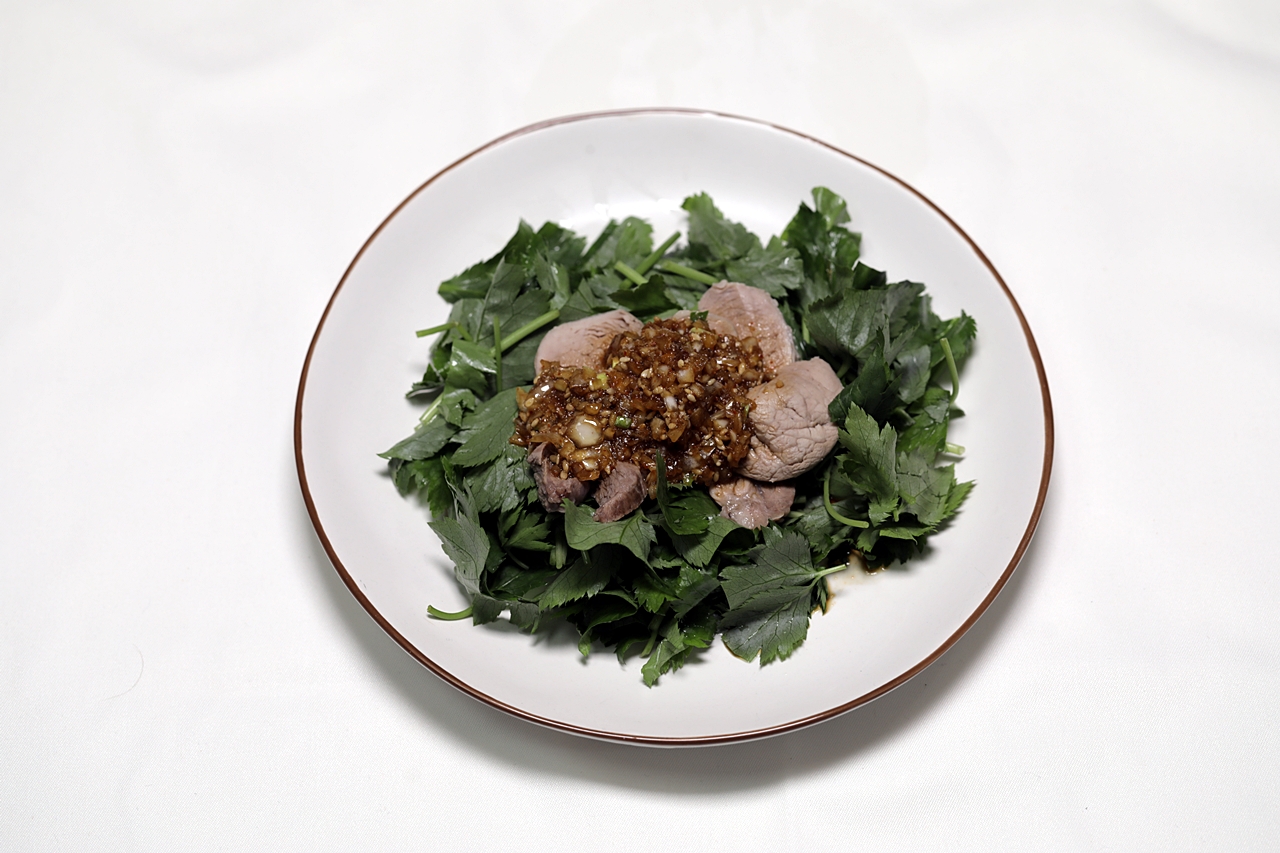
6. **Dress and Serve:** Pour the prepared dressing over the salad ingredients. Gently toss everything together until the vegetables and pork are evenly coated. Serve immediately.
### Nutrition Facts (per serving)
Based on official MFDS data:
* **Calories:** 213.3 kcal
* **Carbohydrates:** 11.2g
* **Protein:** 18.5g
* **Fat:** 10.9g
### Mom’s Tips for a Perfect Salad
* **Pork Tenderness:** To keep the dwaejigogisatae tender and juicy, avoid overcooking it. Cook just until no pink remains. A brief marinade time of 10-15 minutes can also enhance flavor.
* **Chamnamul Freshness:** For maximum crunch and flavor, use fresh chamnamul. If blanching is preferred, do it very briefly (10-15 seconds) and immediately plunge into ice water to preserve its vibrant color and crisp texture.
* **Dressing Balance:** Taste the dressing before adding it to the salad. You can adjust the sweetness with more seoltang, or tartness with extra sikcho, to suit your preference. A touch of honey can also substitute sugar for a different nuance.
### Cultural and Regional Significance
Chamnamuldwaejigogisaelreodeu is a testament to the Korean love for fresh, wholesome ingredients. Chamnamul, an aromatic wild green, is celebrated for its unique earthy and slightly bitter notes, often enjoyed in springtime. This dish offers a light yet satisfying meal, often served as a refreshing accompaniment to a Korean meal, especially during warmer seasons when lighter fare is desired. It embodies the harmonious balance of flavor and nutrition typical of healthy Korean cooking.
### FAQ
**Q1: What can I use if I can’t find Chamnamul?**
A1: Watercress or arugula are excellent substitutes for chamnamul, offering a similar peppery or slightly bitter profile that complements the pork and dressing well.
**Q2: Can I prepare parts of this salad in advance?**
A2: Yes, you can cook the pork and prepare the dressing a day ahead. Store them separately in airtight containers in the refrigerator. Assemble and toss the salad just before serving to maintain the freshness of the greens.
📸 Recipe Gallery
📺 For reference, here’s a recommended YouTube video related to “참나물돼지고기샐러드”.
📹 Video sourced via YouTube. All rights belong to the respective creator.