Yeongeunbaechuhongsisaelreodeu Recipe: Everything You Need to Know About This Iconic Korean Dish
🇰🇷 The recipe below is based on official Korean MFDS (Ministry of Food and Drug Safety) data.
This guide to preparing authentic Yeongeunbaechuhongsisaelreodeu (Lotus Root Cabbage Soft Persimmon Salad) is based on official MFDS (Ministry of Food and Drug Safety) data, ensuring accuracy in ingredients and nutritional information. Learn how to make Yeongeunbaechuhongsisaelreodeu, a refreshing and wholesome Korean salad known for its delightful blend of textures and sweet-tart flavors. This recipe will walk you through each step, from ingredient preparation to crafting the unique soft persimmon dressing.
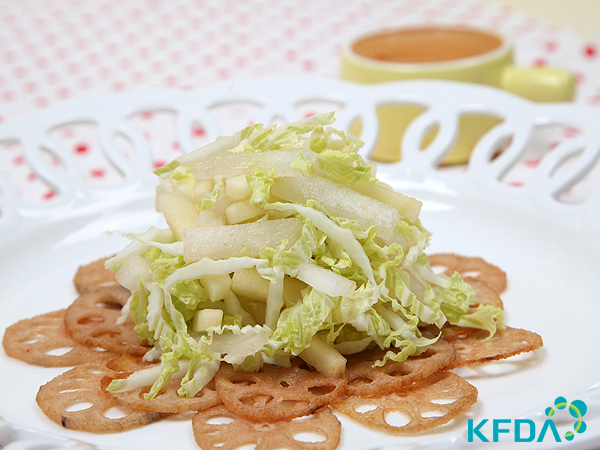
## What is Yeongeunbaechuhongsisaelreodeu?
Yeongeunbaechuhongsisaelreodeu is a vibrant Korean salad featuring crisp lotus root, fresh napa cabbage, and a naturally sweet dressing made from soft persimmon. It’s a harmonious dish that balances earthy, sweet, and tangy notes, offering a refreshing side or light meal.
### Ingredients for Yeongeunbaechuhongsisaelreodeu
To create this nutritious Korean salad, you will need the following fresh ingredients:
* **For the Salad:**
* Yeongeun (Lotus Root): 20g (peeled and thinly sliced)
* Baechu (Napa Cabbage): 20g (thinly sliced)
* Sagwa (Apple): 20g (sliced, preferably a crisp variety like Fuji)
* Bae (Korean Pear): 20g (sliced; a D’Anjou pear can be substituted)
* Ttangkong (Peanut): 3g (lightly toasted, chopped)
* Hodu (Walnut): 3g (lightly toasted, chopped)
* Hyeonmiyu (Brown Rice Oil): 5g (for a hint of nuttiness; neutral oil like grapeseed or sunflower oil works)
* Mul (Water): 100g (for blanching lotus root)
* **For the Hongsi Deuresing (Soft Persimmon Dressing):**
* Hongsi (Soft Persimmon): 30g (ripe, skin removed)
* Hosangyogurteu (Strained Yogurt): 30g (plain Greek yogurt is a good substitute)
* 3bae Sikcho (3x Concentrated Vinegar): 0.5g (use 1.5g of regular rice vinegar or apple cider vinegar, adjust to taste)
* Sogeum (Salt): 0.3g
### Nutrition Facts
Based on official MFDS data, a single serving of Yeongeunbaechuhongsisaelreodeu provides:
* **Calories:** 171.5 kcal
* **Carbohydrates:** 19.3 g
* **Protein:** 3.5 g
* **Fat:** 9.3 g
* **Sodium:** 26.3 mg
## History and Cultural Significance
Lotus root and persimmon are cherished ingredients in Korean cuisine, prized not only for their unique flavors and textures but also for their perceived health benefits. Lotus root symbolizes purity and features in many traditional dishes, offering a distinct crisp-tender bite. Soft persimmons, a seasonal autumn fruit, provide natural sweetness and a creamy texture, making them ideal for desserts and dressings. This salad exemplifies Korean culinary philosophy by highlighting fresh, seasonal ingredients and balancing diverse textures and tastes.
## Practical Tips for the Best Yeongeunbaechuhongsisaelreodeu
* **Mom’s Tip 1: Lotus Root Prep:** To prevent discoloration and achieve the perfect crisp-tender texture, blanch your thinly sliced lotus root in boiling water for no more than 1-2 minutes, then immediately plunge into ice water. This halts the cooking process and retains its vibrant color.
* **Mom’s Tip 2: Dressing Consistency:** The ripeness of your persimmon affects the dressing’s consistency. If your persimmon is very ripe and liquidy, you might need slightly less yogurt, or a touch more yogurt if it’s too thick. Aim for a pourable, but not watery, consistency that coats the salad ingredients lightly.
* **Mom’s Tip 3: Timely Assembly:** Assemble the salad just before serving to maintain the freshness and crispness of the vegetables and fruits. The dressing can be made ahead and stored in the refrigerator for up to 2 days.
## Step-by-Step Yeongeunbaechuhongsisaelreodeu Recipe
Follow these clear steps to prepare your own delicious Yeongeeunbaechuhongsisaelreodeu:
1. **Prepare Lotus Root:** Peel and thinly slice the lotus root. Bring 100g of water to a boil, blanch the lotus root slices for 1-2 minutes until tender-crisp. Immediately transfer them to an ice bath to cool, then drain thoroughly.
2. **Chop Vegetables and Fruits:** Thinly slice the napa cabbage, apple, and Korean pear. Aim for uniform, bite-sized pieces. Lightly toast the peanuts and walnuts in a dry pan until fragrant, then roughly chop.
3. **Make the Soft Persimmon Dressing:** In a blender or food processor, combine the peeled soft persimmon, strained yogurt, vinegar, and salt. Blend until completely smooth. Taste and adjust the vinegar or salt if needed.
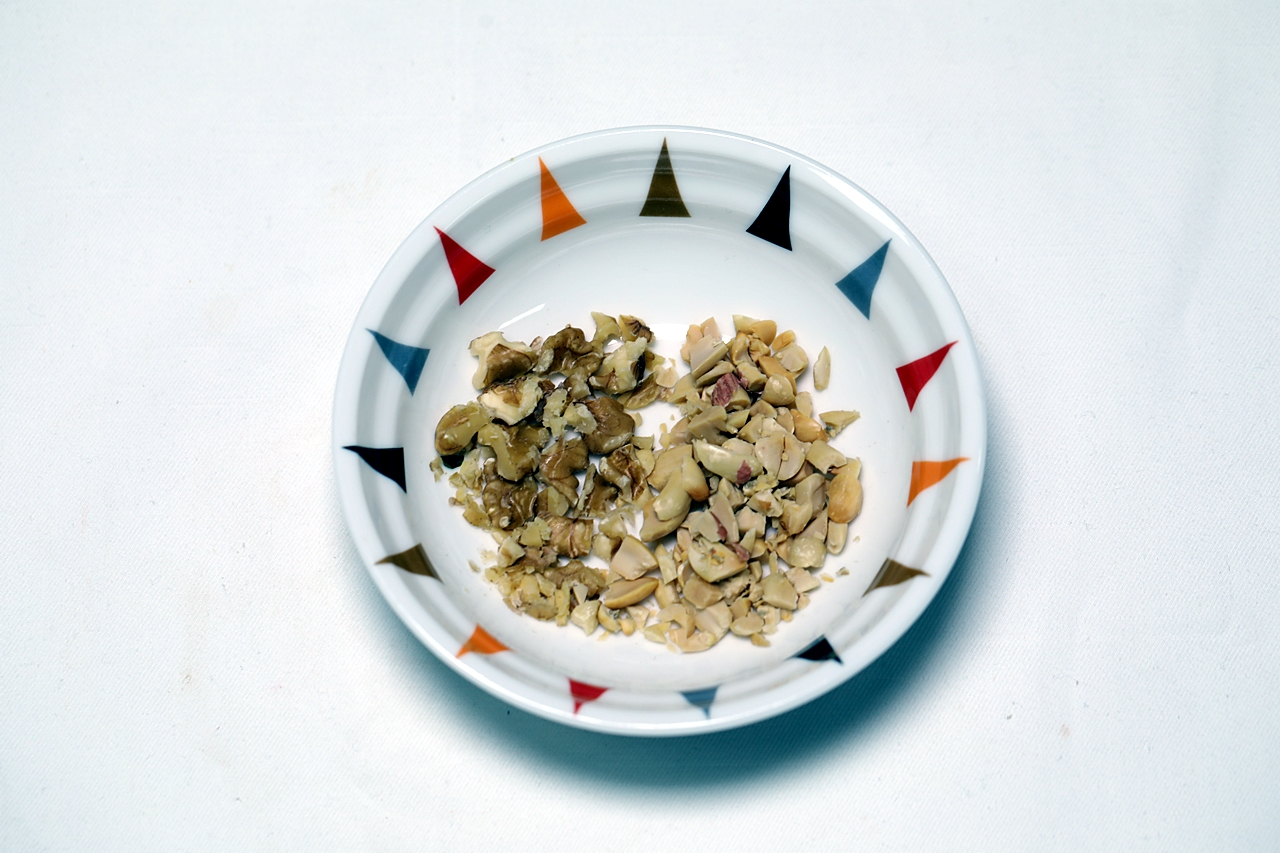
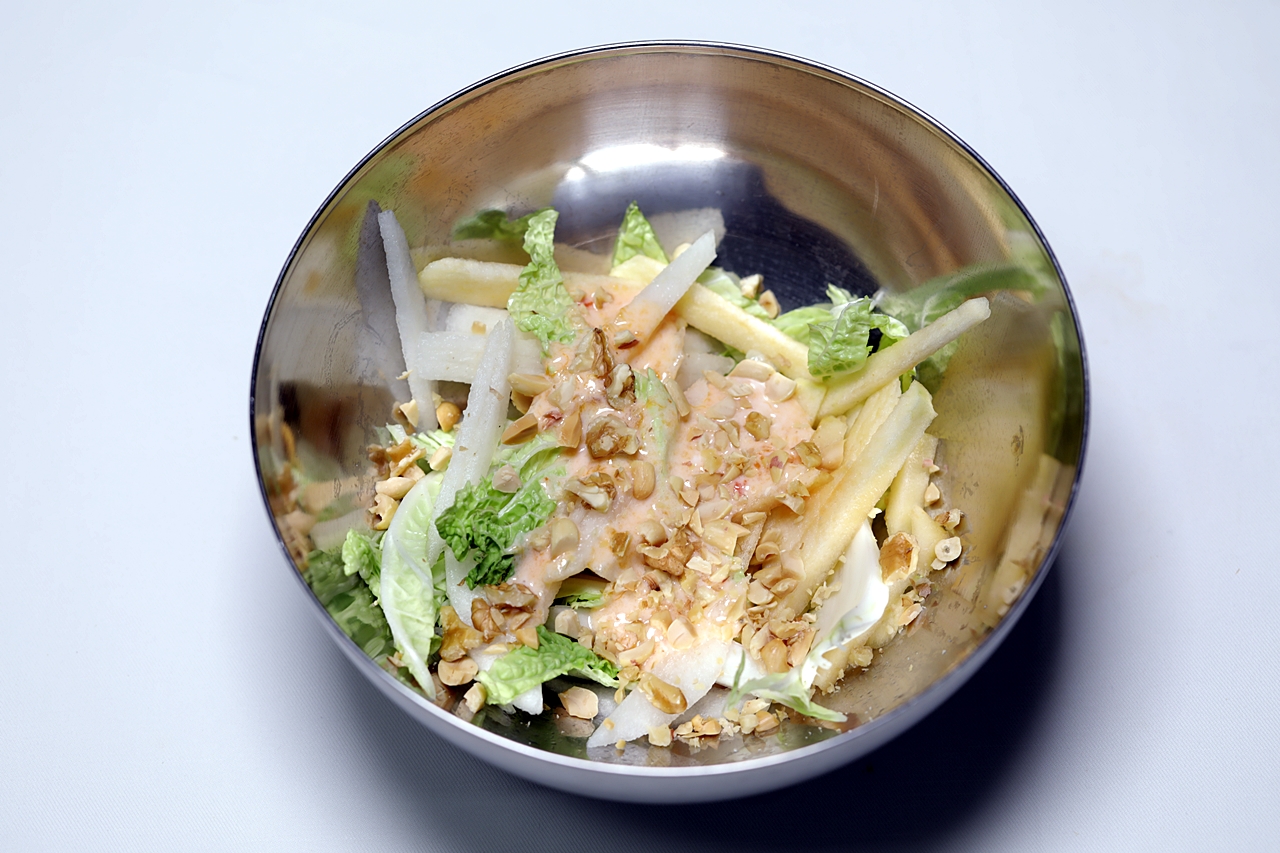
4. **Combine Ingredients:** In a large mixing bowl, gently combine the blanched lotus root, napa cabbage, apple, Korean pear, peanuts, and walnuts.
5. **Dress and Serve:** Drizzle the soft persimmon dressing over the salad ingredients. Add the brown rice oil (or substitute). Toss gently to ensure all components are lightly coated.
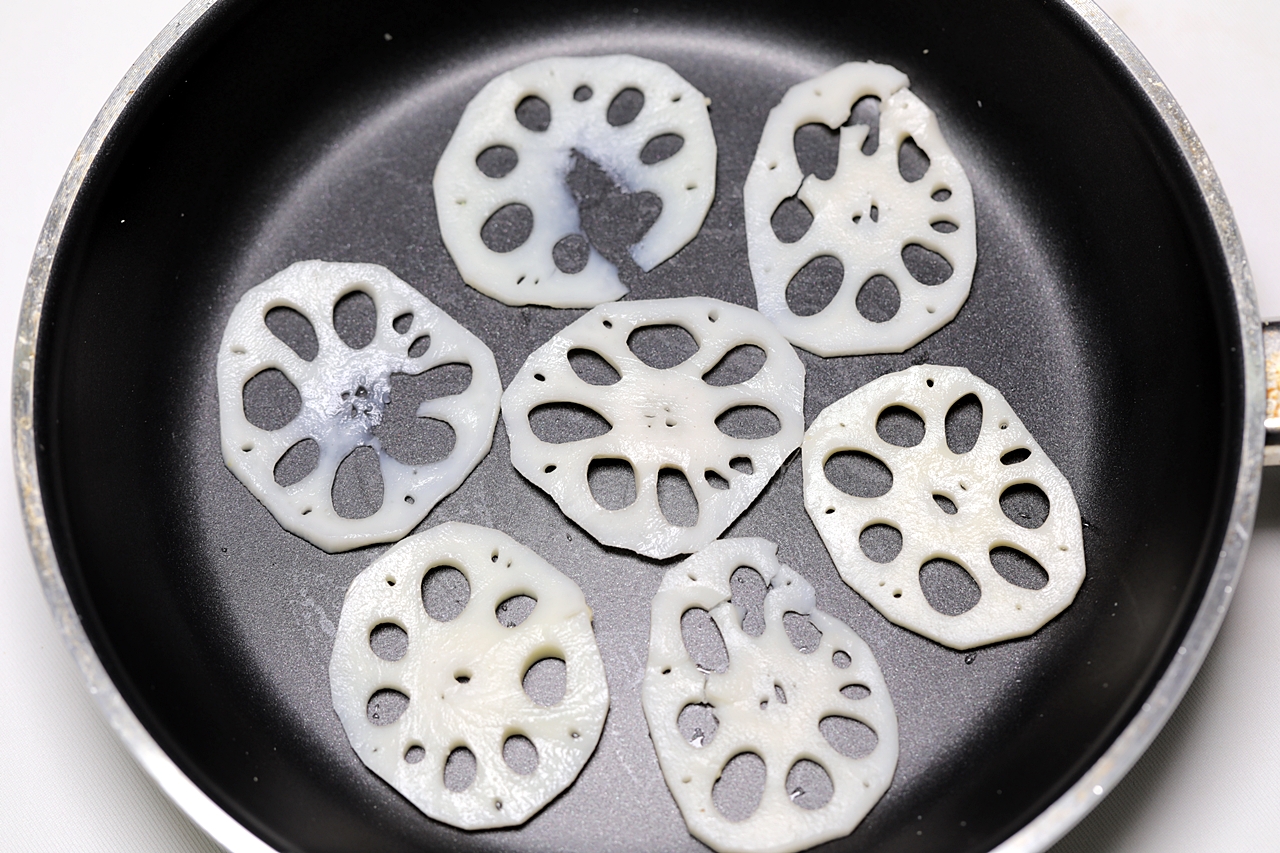
Serve immediately as a refreshing side dish or a light appetizer.
## Frequently Asked Questions
**Q: Can I prepare Yeongeunbaechuhongsisaelreodeu in advance?**
A: You can prepare the dressing up to two days ahead and store it in the refrigerator. The lotus root can be blanched and stored separately. However, for the best texture and freshness, slice the fruits and vegetables and assemble the entire salad just before serving.
**Q: What if I can’t find soft persimmons (Hongsi)?**
A: If fresh soft persimmons are out of season or unavailable, you can sometimes find frozen soft persimmon pulp in Korean grocery stores. Alternatively, a very ripe Fuyu persimmon, pureed with a touch of honey or maple syrup, could offer a similar sweetness, though the texture might differ slightly.
📸 Recipe Gallery
📺 For reference, here’s a recommended YouTube video related to “연근배추홍시샐러드”.
📹 Video sourced via YouTube. All rights belong to the respective creator.