Unlock the Secret of Dwaejigogimalitwigim: Authentic Flavors from South Korea’s MFDS Data
🇰🇷 The recipe below is based on official Korean MFDS (Ministry of Food and Drug Safety) data.
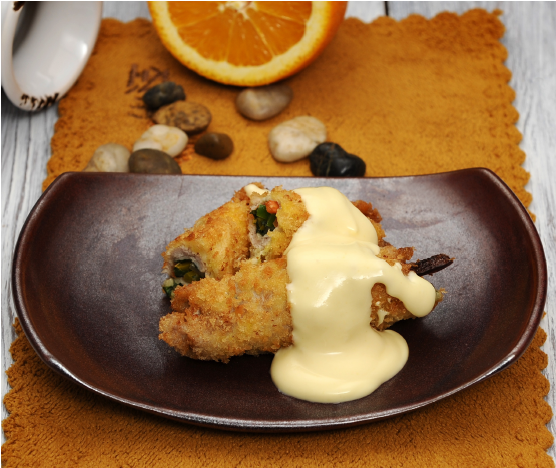
This guide to Dwaejigogimalitwigim (Pork Roll Fritters) is based on official MFDS (Ministry of Food and Drug Safety) data, ensuring an authentic and trustworthy Korean culinary experience. Dwaejigogimalitwigim is a popular Korean dish: thinly sliced pork loin wrapped around a vibrant vegetable and cheese filling, breaded, and deep-fried. Learn how to make Dwaejigogimalitwigim, from ingredients to steps, to recreate this delicacy at home.
## Expert Tips for Perfect Dwaejigogimalitwigim
* **Pork Thinness:** For optimal rolling and even cooking, lightly pound the pork loin slices until they are consistently 2-3mm thin. This also aids in tenderness.
* **Oil Temperature:** Crucially, maintain an oil temperature of 170-175°C (338-347°F) during frying. This precise range prevents the fritters from absorbing excess oil and ensures the pork cooks thoroughly without burning the exterior.
* **Cheese Alternative:** While authentic Korean cheese is preferred, widely available options like mozzarella or provolone make excellent substitutes, offering desirable meltability and a complementary mild flavor within the rolls.
## The History of Dwaejigogimalitwigim
While its ‘fritter’ style might give Dwaejigogimalitwigim a modern appearance, the fundamental concept of wrapping and deep-frying meat around various ingredients is deeply rooted in traditional Korean culinary practices. This specific dish likely gained significant popularity in contemporary Korean cuisine as a versatile and visually appealing snack, appetizer, or even a main course option. It is commonly found in trendy cafes, bustling izakayas, and often featured as a special occasion meal, cherished by many for its satisfying exterior crunch that gives way to a tender, savory interior. Its evolution reflects Korea’s dynamic food landscape, seamlessly embracing both time-honored techniques and innovative flavor combinations.
## Nutritional Information (Per Serving)
Based on official MFDS data for a single serving of Dwaejigogimalitwigim, this dish provides:
| Nutrient | Amount |
| :——- | :——— |
| Calories | 391.5 kcal |
## Authentic Dwaejigogimalitwigim Ingredients
### For the Pork Rolls
* Pork loin (deungsim): 100g, thinly sliced
* Salt: 0.3g
* Black pepper powder: 0.02g
* Perilla leaves (kkaennip): 10g
* Carrot: 20g, julienned
* Green bell pepper (cheongpimang): 20g, julienned
* Onion: 20g, julienned
* Cheese: 30g, cut into strips (mozzarella or provolone as substitutes)
* All-purpose flour: 20g
* Egg: 50g (approx. 1 large egg), beaten
* Breadcrumbs: 20g
* Frying oil: 400g (e.g., vegetable oil, canola oil)
### For the Frying Sauce
* Mayonnaise: 20g
* Tofu: 30g, finely mashed
* Heavy cream: 20g
* Plain yogurt: 20g
* Sugar: 10g
* Mustard: 20g
### For Garnish
* Baby greens (eorinip): 10g
## How to Make Dwaejigogimalitwigim (Step-by-Step)
1. **Prepare Ingredients:** Season the thinly sliced pork loin evenly with salt (0.3g) and black pepper (0.02g). Finely julienne the carrot, green bell pepper, and onion. Cut the cheese into thin, even strips. Prepare your breading station by setting up three separate plates or shallow bowls: one with all-purpose flour, one with the beaten egg (50g), and one with breadcrumbs (20g).
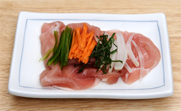
2. **Assemble the Rolls:** Lay a seasoned pork loin slice flat on a clean surface. Place a perilla leaf (kkaennip) on top, followed by a small amount of julienned carrot, green bell pepper, onion, and a single strip of cheese. Carefully and tightly roll the pork to form a compact log, ensuring all the filling is fully enclosed within the meat. Repeat this process for all remaining pork slices.
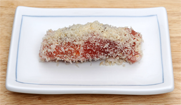
3. **Bread the Rolls:** Take each assembled pork roll and first dredge it lightly in the flour, shaking off any excess. Next, dip it entirely into the beaten egg, ensuring a full and even coating. Finally, roll it thoroughly in the breadcrumbs, pressing gently to make sure they adhere well to the entire surface. Repeat for all rolls, creating a consistent breaded layer.
4. **Fry to Golden Perfection:** Heat 400g of frying oil in a deep pan or pot to the ideal temperature of 170-175°C (338-347°F). Carefully place the breaded pork rolls into the hot oil, ensuring not to overcrowd the pan, which can lower the oil temperature. Fry for approximately 4-5 minutes, turning them occasionally, until they achieve a beautiful golden brown color and the pork is thoroughly cooked through. Remove the finished fritters and drain any excess oil on a wire rack or paper towels.
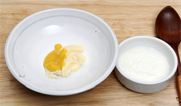
5. **Prepare the Sauce and Serve:** For the accompanying frying sauce, combine and whisk together the mayonnaise (20g), finely mashed tofu (30g), heavy cream (20g), plain yogurt (20g), sugar (10g), and mustard (20g) in a small bowl until the mixture is smooth and well-combined. Slice the freshly fried Dwaejigogimalitwigim into convenient bite-sized pieces. Serve immediately with the prepared dipping sauce and a garnish of fresh baby greens (eorinip).
## Frequently Asked Questions
**Q: Can I bake Dwaejigogimalitwigim instead of frying for a healthier option?**
**A:** Yes, for a lighter alternative, you can bake them. Preheat your oven to 200°C (390°F) and bake for 15-20 minutes, flipping them halfway through, until they are golden and cooked. Lightly spraying them with oil before baking can help achieve better browning.
**Q: What other fillings can I use for Dwaejigogimalitwigim?**
**A:** Feel free to experiment! Thinly sliced mushrooms, different colored bell peppers, or even a hint of finely chopped red chili for a subtle kick can be excellent additions. Always ensure any chosen fillings are cut thinly for even cooking within the pork rolls.
📸 Recipe Gallery
📺 For reference, here’s a recommended YouTube video related to “돼지고기말이튀김”.
📹 Video sourced via YouTube. All rights belong to the respective creator.