How to Make Perfect Kkochgebajirakjjigae: Traditional Korean Recipe with Nutrition Facts
🇰🇷 The recipe below is based on official Korean MFDS (Ministry of Food and Drug Safety) data.
This guide is based on official MFDS (Ministry of Food and Drug Safety) data, ensuring accurate nutritional information and authentic preparation methods. Learning how to make Kkochgebajirakjjigae (Flower Crab and Manila Clam Stew) is a fantastic endeavor for a warming, flavorful stew. This beloved Korean dish combines the sweetness of flower crab with the freshness of Manila clams, simmered in a robust, spicy broth with vegetables. Here, we explore its history, nutrition, and provide a Kkochgebajirakjjigae recipe with expert tips.
## Kkochgebajirakjjigae Nutrition Facts (Per Serving)
Based on official MFDS data, one serving provides:
* Calories: 23.2 kcal
* Carbohydrates: 2.3 g
* Protein: 2.9 g
* Fat: 0.3 g
* Sodium: 172.5 mg
* Cholesterol: 10.9 mg
* Sugars: 0.6 g
## The Rich History of Korean Seafood Stews
Kkochgebajirakjjigae embodies Korean home cooking, particularly its seafood appreciation. Jjigae, a broad category of Korean stews, has been a staple for centuries, offering warmth and sustenance. Coastal regions developed recipes featuring their abundant catches. The combination of Kkochge (flower crab) and Bajirak (Manila clams) testifies to this tradition, transforming simple, fresh ingredients into a deeply flavorful, comforting dish. It reflects Korea’s culinary heritage, cherished across generations.
## Essential Ingredients for Kkochgebajirakjjigae
This recipe is for one serving. Adjust quantities for more.
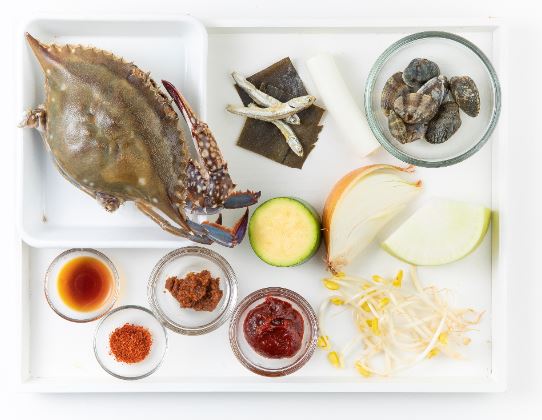
* Kkochge (Flower Crab): 8.2g (cleaned, prepped)
* Bajirak (Manila Clams): 4g (purged)
* Joseonmu (Korean Radish): 11.3g (diced/sliced)
* Kkan-yangpa (Onion): 5g (sliced)
* Aehobak (Korean Zucchini): 9.2g (sliced)
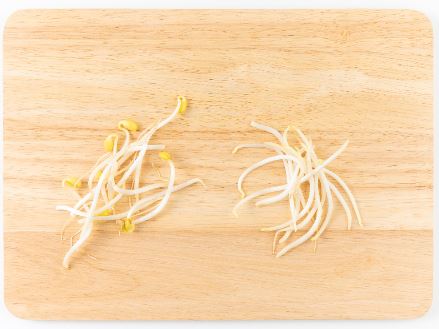
* Dujeolkongnamul (Trimmed Bean Sprouts): 5.3g
* Gukmyeolchi (Dried Anchovies for broth): 1.3g
* Geondasima (Dried Kelp): 0.3g
* Kkan-daepa (Green Onion): 2g (sliced)
* Gukganjang (Korean Soup Soy Sauce): 1.4g
* Gochutgaru (Korean Chili Powder): 0.6g
* Doenjang (Fermented Soybean Paste): 0.5g
* Gochujang (Korean Chili Paste): 0.6g
* Mul (Water): 300ml
## Expert Tips for a Perfect Stew
1. **Mom’s Tip: Purging Clams:** Thoroughly purge Bajirak of sand. Soak in salted water (1 tbsp salt/liter) for 30 minutes to a few hours in a dark place. This ensures a clean, gritty-free stew.
2. **Mom’s Tip: Broth Foundation:** Broth quality defines the stew. Don’t rush extracting flavor from Gukmyeolchi and Geondasima. A gentle simmer creates a rich umami base without bitterness.
3. **Mom’s Tip: Don’t Overcook Seafood:** Add Kkochge and Bajirak late. Crab becomes tough and clams chewy if overcooked. They only need a few minutes to cook once broth simmers vigorously.
## How to Make Kkochgebajirakjjigae: Step-by-Step
Here’s an authentic Kkochgebajirakjjigae recipe.
1. **Prepare the Broth Base:** In a small pot, combine 300ml Mul, 1.3g Gukmyeolchi, and 0.3g Geondasima. Bring to a boil, then simmer 10-15 minutes. Remove anchovies and kelp for a clear, flavorful broth.
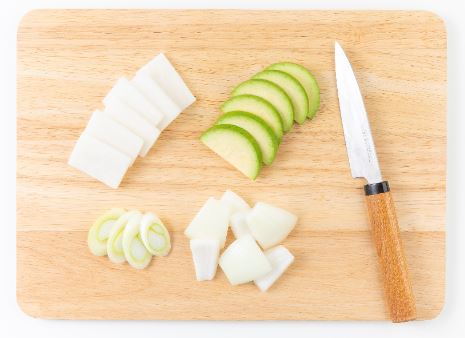
2. **Add Vegetables:** To the simmering broth, add 11.3g Joseonmu, 5g Kkan-yangpa, and 9.2g Aehobak. Cook 5 minutes until radish softens.
3. **Season the Stew:** Stir in seasonings: 1.4g Gukganjang, 0.6g Gochutgaru, 0.5g Doenjang, 0.6g Gochujang. Mix well.
4. **Introduce Seafood and Sprouts:** Add 8.2g Kkochge and 4g Bajirak to the pot. Immediately follow with 5.3g Dujeolkongnamul. Bring stew to a brisk simmer.
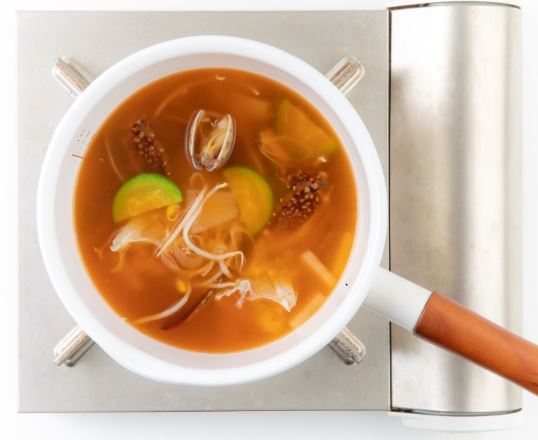
5. **Finish and Serve:** Cook 3-5 minutes, until crab turns red and clam shells open. Stir in 2g Kkan-daepa just before serving.
Ladle hot Kkochgebajirakjjigae into a bowl, serve immediately with steamed rice and banchan.
## Frequently Asked Questions
**Q: Can I use frozen crab and clams for Kkochgebajirakjjigae?**
A: Yes, use frozen seafood. Thaw and clean frozen crabs. Frozen clams may not need purging, but verify suitability. Adjust cooking time; frozen items might release more water.
**Q: How can I adjust the spiciness of Kkochgebajirakjjigae?**
A: To make it milder, reduce Gochutgaru and Gochujang. For more spice, increase these amounts or add a fresh cheongyanggochu (Korean green chili pepper) slice.
📸 Recipe Gallery
📺 For reference, here’s a recommended YouTube video related to “꽃게바지락찌개”.
📹 Video sourced via YouTube. All rights belong to the respective creator.