Unlock the Secret of Saebaengijjigae: Authentic Flavors from South Korea’s MFDS Data
🇰🇷 The recipe below is based on official Korean MFDS (Ministry of Food and Drug Safety) data.
This comprehensive guide to creating an authentic Saebaengijjigae (Freshwater Shrimp Stew) is based on official MFDS (Ministry of Food and Drug Safety) data, ensuring accuracy in both nutrition and preparation. If you’re looking for a delightful and robust Korean stew, learning how to make Saebaengijjigae will introduce you to a lesser-known but incredibly flavorful dish that embodies traditional Korean comfort food. This article provides a detailed Saebaengijjigae recipe, covering its unique ingredients, traditional preparation methods, and valuable tips for a perfect meal. We aim to equip you with the expertise to confidently recreate this traditional Korean dish in your own kitchen, offering a true taste of Korea’s regional culinary diversity and heritage.
## Nutrition
Based on official MFDS data per serving (approximately 388g prepared from the listed ingredients), Saebaengijjigae offers:
* **Calories:** 74.9 kcal
* **Carbohydrates:** 10.9g
* **Protein:** 4.6g
* **Fat:** 1.5g
* **Sodium:** 660.1mg
## History and Cultural Significance
Saebaengijjigae (Freshwater Shrimp Stew) is a rustic and beloved regional Korean dish, particularly popular in areas rich in freshwater sources like rivers and lakes, such as Chungcheong Province. Traditionally, saebaengi, small freshwater shrimp (*Palaemon paucidens*), were easily caught by local farmers and fishermen, becoming a readily available and essential protein source for rural communities. This stew represents a simple yet deeply flavorful aspect of Korean culinary heritage, often enjoyed as a hearty, warming meal that brings comfort and sustenance, especially during colder months. Its rich, savory broth, combined with the natural sweetness of the tender shrimp and crisp vegetables, evokes a strong sense of home cooking, community, and connection to nature’s bounty.
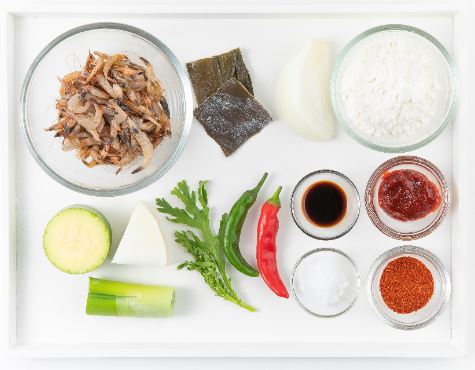
## Essential Ingredients for Saebaengijjigae
Gathering fresh, quality ingredients is absolutely key to crafting an authentic Saebaengijjigae. This precise recipe serves one, as per official MFDS data, making it perfect for individual enjoyment or easily scalable for larger gatherings.
* **Water (mul):** 300ml, forming the foundational base of your rich and flavorful broth.
* **Dried Kelp (dashima):** 2g, essential for a foundational umami-rich broth, imparting a subtle yet profound depth to the stew.
* **Onion (yangpa):** 15g, thinly sliced, contributing natural sweetness and aromatic notes as it cooks down.
* **Freshwater Shrimp (saebaengi):** 30g. These tiny, succulent crustaceans are the absolute star of the dish. Look for high-quality frozen small shrimp (e.g., salad shrimp) as a suitable substitute if fresh saebaengi are unavailable; ensure they are fully thawed and gently patted dry.
* **Wheat Flour (milgaru):** 20g, crucial for creating a light, silky thickness in the stew, effectively binding the diverse flavors into a cohesive, comforting broth.
* **Zucchini (hobak) or Korean Squash:** 10g, thinly sliced, adding a delicate texture and mild, slightly sweet flavor.
* **Korean Radish (mu):** 10g, thinly sliced, providing a refreshing crunch and subtle peppery note that balances the richness.
* **Cheongyang Chili Pepper (cheongyanggochu):** 5g, sliced. This iconic Korean chili adds a vibrant, clean heat. Always adjust the amount to your personal spice preference; a jalapeño can be a milder, readily available substitute.
* **Scallion (pa):** 10g, chopped, for a fresh, pungent, and aromatic finish that brightens the stew.
* **Garlic (maneul):** 5g, minced, an indispensable ingredient for robust and deeply authentic Korean flavors.
* **Crown Daisy (ssukgat):** 5g (optional, but highly recommended for authenticity), for garnish and a distinct, herbaceous aroma that truly elevates the dish. Fresh spinach can be a good substitute for visual appeal and a slightly different green note.
* **Korean Chili Powder (gochugaru):** 3g, for vibrant red color and a warm, inviting spice level.
* **Korean Chili Paste (gochujang):** 3g, adding layers of savory, sweet, and spicy complexity that is characteristic of Korean stews.
* **Salt (sogeum):** 2g, essential to season the stew perfectly, bringing out all the inherent flavors.
* **Soy Sauce (ganjang):** 1g, for an added layer of umami depth and a subtle hint of saltiness.
## Expert Tips for Perfect Saebaengijjigae
Here are a few insights from seasoned cooks to elevate your Saebaengijjigae, ensuring a truly authentic and flavorful experience:
* **Mom’s Tip 1: Broth is Key:** While this recipe uses water and dashima for simplicity, starting with a light anchovy-kelp broth (myeolchi dashima yuksu) will deepen the umami considerably. To prepare, gently simmer a handful of dried anchovies and a piece of kelp in water for about 15-20 minutes, then strain before use. This extra step is well worth the effort for a richer base.
* **Mom’s Tip 2: Flour Paste for Texture:** Don’t skip mixing the wheat flour with a small amount of cold water to create a smooth slurry before adding it to the stew. This critical step prevents lumps and ensures an even, slightly thickened broth, which is a hallmark of traditional saebaengi jjigae, providing a comforting, viscous consistency.
* **Mom’s Tip 3: Freshness Matters:** Saebaengi are delicate and can quickly become tough if overcooked. For the best texture and natural sweetness, add them closer to the end of cooking. They only need a few minutes to cook through, keeping them tender and flavorful.
## How to Make Saebaengijjigae
This detailed Saebaengijjigae recipe, following traditional Korean methods, ensures an authentic and consistently delicious outcome that’s both comforting and packed with flavor.
1. **Prepare the Broth Base:** In a small pot, precisely combine 300ml water and 2g dried kelp. Bring this mixture to a gentle boil over medium-high heat, then immediately reduce the heat to a simmer and let it cook for 10 minutes to thoroughly extract the kelp’s deep umami flavors. Carefully remove and discard the kelp, leaving behind a fragrant broth.
2. **Combine Aromatic Flavorings:** To the actively simmering broth, add 15g thinly sliced onion, 10g thinly sliced Korean radish (mu), 5g finely minced garlic, 3g gochugaru (Korean chili powder), 3g gochujang (Korean chili paste), 2g salt, and 1g soy sauce. Stir thoroughly until all the seasonings are perfectly dissolved and well combined, creating a rich, inviting aroma.
3. **Integrate Core Vegetables:** Introduce 10g thinly sliced zucchini and 5g sliced Cheongyang chili pepper to the pot. Continue to simmer gently, allowing the vegetables to soften slightly and fully infuse their fresh flavors into the evolving broth.
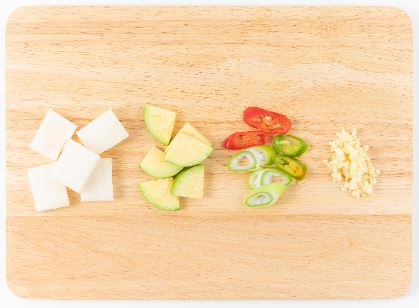
4. **Prepare Shrimp and Flour Slurry:** While the vegetables are simmering, lightly rinse 30g saebaengi. In a separate small bowl, meticulously mix 20g wheat flour with approximately 2 tablespoons of cold water until you achieve a perfectly smooth, lump-free slurry. This precise preparation is crucial for the stew’s characteristic thickened texture.
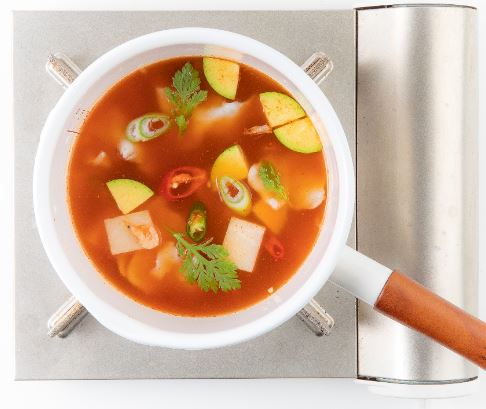
5. **Stew and Achieve Perfect Thickness:** Once the vegetables are tender, gently add the prepared saebaengi to the stew. Immediately pour in the flour slurry, stirring continuously and gently to prevent any clumping and to evenly thicken the rich broth. Allow it to simmer for another 3-5 minutes, or until the shrimp are perfectly cooked through and the broth reaches your desired comforting, viscous consistency.
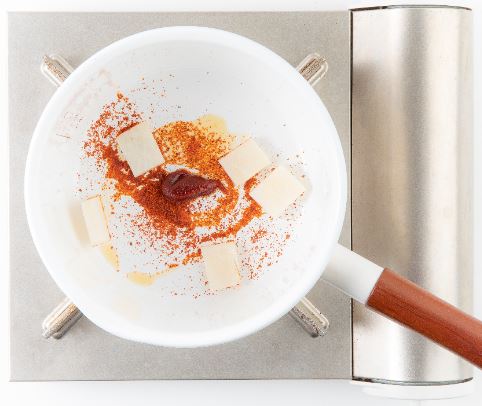
6. **Garnish and Serve:** Just before removing the pot from the heat, stir in 10g freshly chopped scallions for a vibrant, fresh bite. Garnish generously with 5g fresh crown daisy (ssukgat) on top just prior to serving. Enjoy this hearty and aromatic stew piping hot, ideally served with a freshly steamed bowl of rice for a complete and deeply satisfying Korean meal.
## Frequently Asked Questions
**Q: Can I use different types of shrimp for Saebaengijjigae?**
A: While saebaengi (freshwater shrimp) provides a distinct and authentic flavor profile, small, sweet ocean shrimp (like salad shrimp) or even tiny dried shrimp (rehydrated) can be used as suitable alternatives if freshwater varieties are unavailable. Be aware that the taste will differ slightly, leaning more towards an oceanic flavor, but the stew will still be delicious and hearty.
**Q: What makes Saebaengijjigae different from other Korean stews?**
A: Saebaengijjigae distinctly stands out due to its primary ingredient: the small freshwater shrimp. This key component imparts a unique, subtly sweet, and earthy flavor profile that differentiates it from more common Korean stews (jjigae) such as Kimchi Jjigae or Sundubu Jjigae. It is often less intensely spicy, highlighting the natural flavors of the shrimp and vegetables, making it a comforting and distinctly regional Korean dish.
📸 Recipe Gallery
📺 For reference, here’s a recommended YouTube video related to “새뱅이찌개”.
📹 Video sourced via YouTube. All rights belong to the respective creator.