Kodarimalkeuntang Recipe: Everything You Need to Know About This Iconic Korean Dish
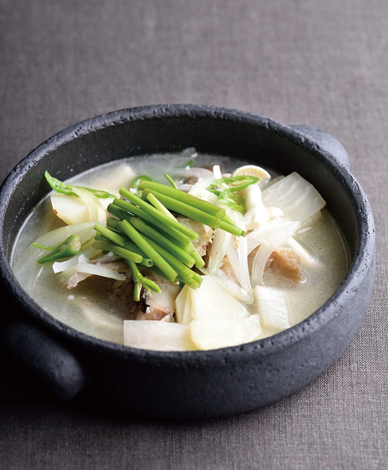
🇰🇷 The recipe below is based on official Korean MFDS (Ministry of Food and Drug Safety) data.
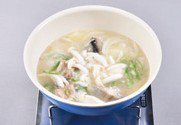
This guide on how to make authentic Kodarimalkeuntang (Clear Dried Pollack Soup) is based on official MFDS (Ministry of Food and Drug Safety) data, ensuring accuracy in ingredients and nutrition. Kodarimalkeuntang is a beloved Korean dish, celebrated for its clean, refreshing broth and tender semi-dried pollack. This detailed Kodarimalkeuntang recipe helps you prepare a nourishing soup embodying traditional Korean culinary wisdom.
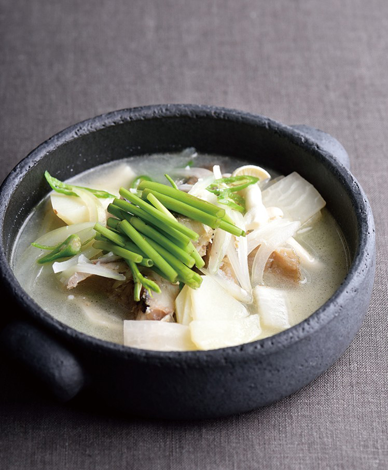
### Tips for a Perfect Kodarimalkeuntang
* **Kopori Rehydration:** Soak 200g Kopori in cold water for 30 minutes until pliable. Squeeze excess water gently to prevent a rubbery texture and aid flavor absorption.
* **Maintain Clear Broth:** Simmer gently. Skim off any foam or impurities rising to the surface during cooking. This ensures the characteristic pristine broth.
* **Season to Taste:** Pollack saltiness varies. Always taste the broth before final seasoning. Gradually add low-sodium soy sauce or salt for your preferred balance.
### History and Cultural Significance
Kodarimalkeuntang highlights the Korean reverence for Kopori, semi-dried pollack. For centuries, pollack has been a staple, valued for its unique texture and deep umami. Different drying methods yield various types, like Hwangtae (fully dried) and Saengtae (fresh). Kodarimalkeuntang specifically uses Kopori for a light yet flavorful clear soup, often consumed as a revitalizing meal, especially as a hangover remedy.
### Nutrition Facts (Based on Official MFDS Data)
A single serving of this dish offers:
* **Calories:** 162.3 kcal
* **Carbohydrates:** 12.3g
* **Protein:** 21.3g
* **Fat:** 2.7g
* **Sodium:** 489.2mg
Kodarimalkeuntang is an excellent source of lean protein, low in fat, making it a healthy and satisfying option.
### Kodarimalkeuntang Ingredients
* Kopori (Semi-dried Pollack): 200g
* Mu (Korean Radish): 60g, sliced
* Gamja (Potato): 60g, peeled, sliced
* Yangpa (Onion): 15g, sliced
* Cheongyang-gochu (Cheongyang Chili Peppers): 30g, sliced
* Minari (Water Parsley): 25g, cut into 5cm lengths
* Baegilsongi Beoseot (White Beech Mushrooms): 25g, separated
* Chamgireum (Sesame Oil): 15g
**For the Soup Base:**
* Dajin Maneul (Minced Garlic): 15g
* Jeoyeom Ganjang (Low-Sodium Soy Sauce): 15g
* Hin Huchu (White Pepper): 1g
### How to Make Kodarimalkeuntang: Step-by-Step Recipe
1. **Prepare Pollack:** Rinse 200g Kopori, soak in cold water for 30 minutes until soft. Squeeze excess water, cut into bite-sized pieces.
2. **Sauté Aromatics:** Heat 15g Chamgireum in a pot over medium heat. Add 15g Dajin Maneul, stir-fry 1 minute. Add Kopori, sauté 2-3 minutes.
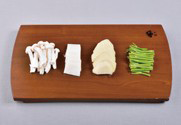
3. **Add Vegetables & Broth:** Add 60g Mu, 60g Gamja, 15g Yangpa. Pour in 700ml water (or anchovy broth). Bring to boil, then simmer gently.
4. **Simmer & Season:** Simmer for 15-20 minutes until radish and potato are tender. Skim foam. Add 15g Jeoyeom Ganjang and 1g Hin Huchu. Adjust seasoning.
5. **Final Additions:** Add 30g Cheongyang-gochu, 25g Minari, and 25g Baegilsongi Beoseot. Cook for 2-3 minutes until mushrooms are tender and minari is wilted.
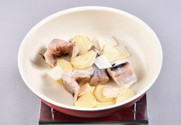
6. **Serve:** Ladle hot Kodarimalkeuntang into bowls. Serve immediately with rice.
### Frequently Asked Questions
* **Q: What is the difference between Kodari and Hwangtae?**
* A: Kodari is semi-dried pollack, retaining moisture for a chewier texture. Hwangtae is fully dried, often air-dried in winter, resulting in a drier, flakier texture and more intense flavor.
* **Q: Can I make it less spicy?**
* A: Yes, you can omit or reduce the Cheongyang-gochu for a milder soup. For a very subtle warmth, a small amount of regular red chili can be used instead.
📸 Recipe Gallery
📺 For reference, here’s a recommended YouTube video related to “코다리맑은탕”.
📹 Video sourced via YouTube. All rights belong to the respective creator.