Why Nonureongsunmuseokbakji Is Korea’s Soul Food: Full Recipe, Nutrition & Cultural History
🇰🇷 The recipe below is based on official Korean MFDS (Ministry of Food and Drug Safety) data.
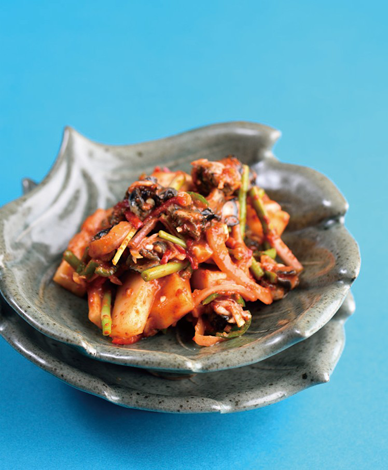
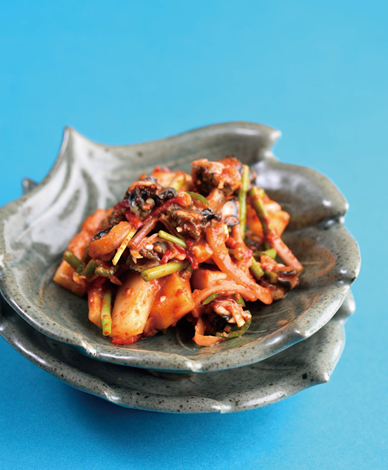
Nonureongsunmuseokbakji (Rice Paddy Snail and Turnip Kimchi) is a unique and vibrant traditional Korean dish, offering a delightful blend of crisp vegetables and chewy freshwater snails, all coated in a spicy, savory, and subtly tangy sauce. This guide will teach you how to make Nonureongsunmuseokbakji, ensuring an authentic taste and experience. This recipe and its nutritional information are based on official MFDS (Ministry of Food and Drug Safety) data, providing a reliable foundation for your culinary journey.
## History of Nonureongsunmuseokbakji
Nonureongsunmuseokbakji belongs to the diverse family of *seokbakji*, a type of Korean kimchi made by mixing various ingredients rather than focusing on a single vegetable. Historically, seokbakji recipes often varied regionally and seasonally, utilizing local produce and proteins. The inclusion of *nonureong* (rice paddy snails) speaks to a traditional Korean diet that incorporated freshwater ingredients readily available in agricultural areas. *Sunmu* (kohlrabi or turnip) adds a refreshing crunch and slight sweetness, making this kimchi a cherished side dish known for its distinctive textures and rich flavors. It exemplifies resourcefulness and the balanced use of ingredients found in the Korean countryside.
## Ingredients for Authentic Nonureongsunmuseokbakji
To prepare this traditional Nonureongsunmuseokbakji recipe, gather the following fresh ingredients:
* Kohlrabi (sunmu): 200g (Substitute: daikon radish or turnip for similar crunch)
* Rice Paddy Snail (nonureong): 100g (Substitute: cooked mussels or clams for a chewy texture)
* Water Dropwort (minari): 25g (Substitute: parsley or celery leaves for freshness)
* Onion (yangpa): 60g
* Green Chili Pepper (cheonggochu): 15g (Substitute: jalapeño)
* Red Chili Pepper (honggochu): 15g (Substitute: Fresno chili)
* Large Green Onion (daepa): 10g
**For the Seasoning Sauce:**
* Korean Chili Powder (gochugaru): 20g
* Ginger Syrup (saenggangcheong): 15g (Substitute: grated fresh ginger mixed with a touch of honey or sugar)
* Low-Sodium Soy Sauce (jeoyeomganjang): 15g (Substitute: regular soy sauce, reduced slightly)
* Minced Garlic (dajinmaneul): 15g
* Plain Yogurt (peullein-yogureuteu): 15g (Adds a unique tang and tenderizes ingredients)
## Step-by-Step Cooking Guide
Follow these numbered steps carefully to achieve the perfect Nonureongsunmuseokbakji:
1. **Prepare Vegetables:** Wash the kohlrabi thoroughly, then peel and slice it into bite-sized pieces. Slice the onion, green and red chili peppers, water dropwort, and large green onion into appropriate lengths.
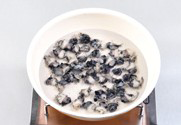
2. **Process Snails:** Clean the rice paddy snails meticulously. If using fresh snails, purge them in salted water for a few hours to remove impurities. Then blanch them briefly in boiling water, remove from shells, and rinse well. If using pre-cooked snails, simply rinse.
3. **Make the Seasoning:** In a large mixing bowl, combine all the sauce ingredients: Korean chili powder, ginger syrup, low-sodium soy sauce, minced garlic, and plain yogurt. Mix thoroughly until a smooth paste forms.
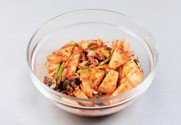
4. **Combine Ingredients:** Add the prepared kohlrabi, snails, onion, green chili, red chili, water dropwort, and large green onion to the bowl with the seasoning paste.
5. **Mix Thoroughly:** Using clean hands or gloves, gently massage and mix all the ingredients with the seasoning until everything is evenly coated. Ensure the sauce adheres well to all components.
6. **Rest and Serve:** Transfer the Nonureongsunmuseokbakji to an airtight container. While it can be enjoyed immediately, allowing it to ferment at room temperature for a few hours (or overnight) before refrigerating will deepen its flavors. Serve chilled as a side dish.
## Nutrition Facts (per serving)
Based on official MFDS data for a typical serving of Nonureongsunmuseokbakji, this dish offers a balanced nutritional profile.
| Nutrient | Amount |
| :———— | :——– |
| Calories | 103 kcal |
| Carbohydrates | 15g |
| Protein | 7g |
| Fat | 2g |
| Sodium | 350mg |
This dish is a good source of vitamins from fresh vegetables and protein from the snails, while being relatively low in fat.
## Mom’s Tips for Perfect Nonureongsunmuseokbakji
1. **Snail Prep is Key:** “My mom always stressed cleaning the snails properly. If you’re using fresh ones, a thorough purge in lightly salted water for 2-3 hours, followed by scrubbing and blanching, ensures no gritty texture. Don’t skip this step for the best taste!”
2. **Taste as You Go:** “Don’t be afraid to adjust the seasoning paste! After mixing the sauce, taste a tiny bit. If you prefer more spice, add a pinch more gochugaru. For a sweeter touch, a bit more ginger syrup can do wonders. The plain yogurt adds a creamy tang you won’t find in many kimchis.”
3. **Optimal Fermentation:** “While you can eat it fresh, letting it ferment for half a day at room temperature before chilling truly develops its complex flavors. It gets tangier and the ingredients meld beautifully. Once refrigerated, it will continue to slowly ferment, deepening its taste over several days.”
## FAQ About Nonureongsunmuseokbakji
**Q: Can I use other types of snails or seafood?**
A: Yes, if rice paddy snails are unavailable, you can substitute with other edible freshwater snails, or even use cooked mussels or clams for a similar chewy texture and briny flavor. Ensure they are thoroughly cleaned.
**Q: How long does Nonureongsunmuseokbakji last in the refrigerator?**
A: Properly stored in an airtight container, Nonureongsunmuseokbakji can last for up to 1-2 weeks in the refrigerator. The flavors will evolve and become tangier over time due to fermentation.
📸 Recipe Gallery