The Complete Guide to Authentic Tomatosogogijjim: A Korean Kitchen Masterclass

🇰🇷 The recipe below is based on official Korean MFDS (Ministry of Food and Drug Safety) data.
This guide is based on official MFDS (Ministry of Food and Drug Safety) data, ensuring a reliable and authentic culinary experience. Learn how to make Tomatoseogogijjim (Tomato Beef Stew), a heartwarming and robust Korean dish that perfectly blends tender beef with the bright tang of tomatoes. This recipe provides clear, factual steps for a delicious and nutritious meal, reflecting the harmonious evolution of Korean home cooking.
### Ingredients for
Here are the essential ingredients for preparing an authentic , along with suggested substitutes. All measurements are based on official MFDS data for a single serving.
* **Beef round :** 200g (Can substitute with sirloin or chuck, trimmed of excess fat.)
* **Celery :** 40g, finely diced
* **Carrot :** 30g, finely diced
* **Onion :** 50g, finely diced
* **White wine :** 25g (Dry white wine recommended; can substitute with beef broth and a splash of white vinegar for acidity.)
* **Whole canned tomatoes :** 100g, crushed
* **Butter :** 20g (Unsalted butter preferred.)
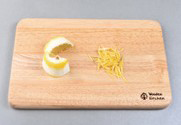
* **Lemon :** 25g, juice and zest
* **White pepper :** 1g
* **Parsley powder :** 2g
* **Hamcho salt :** 1g (Sea salt or Himalayan pink salt can be used.)
### Cooking Steps: How to Make
Follow these clear, numbered steps to prepare your delicious Tomatoseogogijjim.
1. **Prepare the Beef:** Cut the beef round into 3-4 cm cubes. Pat them dry thoroughly with paper towels. Season the beef evenly with 0.5g of hamcho salt and 0.5g of white pepper.
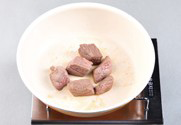
2. **Sear the Beef:** In a large, heavy-bottomed pot or Dutch oven, melt 10g of butter over medium-high heat. Sear the beef cubes on all sides until nicely browned. This develops a rich flavor. Remove the seared beef and set aside.
3. **Sauté Aromatics:** Add the remaining 10g of butter to the same pot. Lower the heat to medium. Add the diced celery, carrot, and onion. Sauté until the vegetables soften and the onion becomes translucent, about 5-7 minutes.
4. **Deglaze and Simmer:** Pour in the white wine, scraping up any browned bits from the bottom of the pot. Bring to a simmer for 1-2 minutes to allow the alcohol to evaporate. Add the crushed whole tomatoes and the reserved seared beef. Add enough water or beef broth to just cover the ingredients (approximately 200ml-250ml).
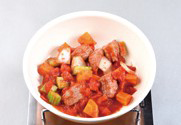
5. **Stew the Dish:** Bring the stew to a gentle boil, then reduce the heat to low, cover the pot, and simmer for 60-90 minutes, or until the beef is fork-tender. Stir occasionally to prevent sticking.
6. **Finish and Season:** Once the beef is tender, stir in the lemon juice, remaining 0.5g of hamcho salt, and 0.5g of white pepper. Taste and adjust seasoning as needed. Garnish with parsley powder before serving.
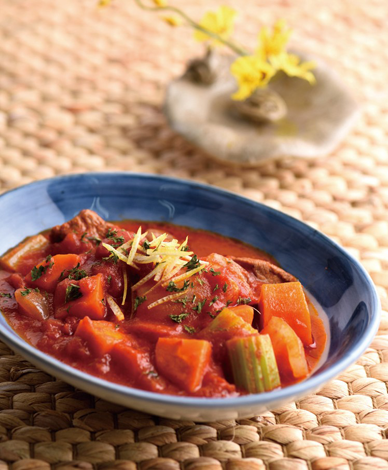
7. **Serve:** Ladle the into bowls. Serve hot with steamed rice or crusty bread.
### History of Tomatoseogogijjim
While not a centuries-old traditional dish like kimchi or bulgogi, Tomatoseogogijjim reflects a delightful aspect of modern Korean culinary evolution. It represents the fusion of Western ingredients and cooking techniques, particularly the use of tomatoes, wine, and butter, with the comforting stewing methods inherent in Korean cuisine. This dish emerged as home cooks in Korea began to embrace new flavors and ingredients, transforming simple beef stews into richer, more globally inspired comfort foods. It’s a testament to the adaptability and innovation found within Korean kitchens, providing a hearty and flavorful meal that has become a beloved staple in many households.
### Nutrition Facts (per serving)
Based on official MFDS data, here are the nutritional values for one serving of Tomatoseogogijjim:
* **Calories:** 302.9 kcal
* **Carbohydrates:** 15.5 g
* **Protein:** 28.3 g
* **Fat:** 13.2 g
* **Sodium:** 350 mg
### Mom’s Tips for Perfect
1. **Beef Quality Matters:** My mom always said, “Good stew starts with good beef.” Don’t skimp on quality. Trimming the fat is important, but a little marbling adds tenderness. If you have time, let the beef come to room temperature for about 30 minutes before searing for a more even cook.
2. **Slow and Low:** The key to truly tender beef in a stew is a long, slow simmer. Resist the urge to rush it. If the sauce gets too thick during simmering, add a splash of hot water or beef broth.
3. **Taste as You Go:** Seasoning is personal. While the recipe provides a base, always taste the stew towards the end of cooking. You might want a pinch more salt, pepper, or even a tiny squeeze of lemon to brighten the flavors just before serving.
### FAQ about
**Q: Can I prepare in advance?**
A: Yes, Tomatoseogogijjim often tastes even better the next day as the flavors have more time to meld. Store it in an airtight container in the refrigerator for up to 3-4 days. Reheat gently on the stovetop.
**Q: What can I serve with besides rice?**
A: This stew pairs wonderfully with mashed potatoes, creamy polenta, or crusty sourdough bread to soak up the rich sauce. A simple green salad with a light vinaigrette also makes a refreshing side.
📸 Recipe Gallery
📺 For reference, here’s a recommended YouTube video related to “”.
📹 Video sourced via YouTube. All rights belong to the respective creator.