Why Dungjitwigim Is Korea’s Soul Food: Full Recipe, Nutrition & Cultural History
🇰🇷 The recipe below is based on official Korean MFDS (Ministry of Food and Drug Safety) data.
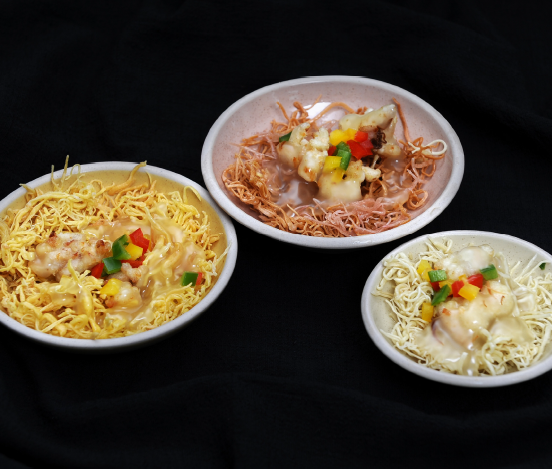
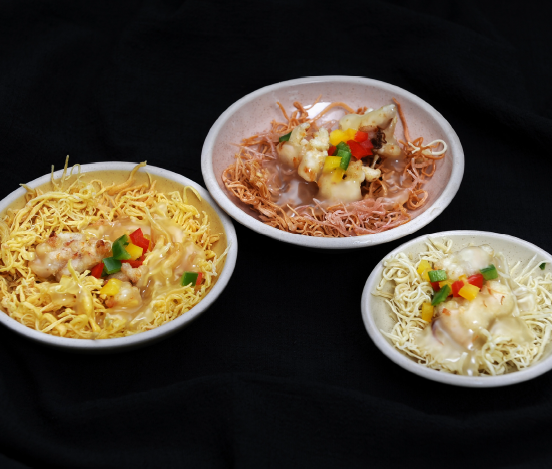
This guide to Dungjitwigim (Nest-Fried Chicken) uses official MFDS (Ministry of Food and Drug Safety) data for accurate ingredients, preparation, and nutrition. Learn to make this Korean dish, featuring creative presentation and crunch. Tender chicken combines with colorful, crispy noodle “nests.” Discover tips, history, ingredients, and steps to recreate it.
## Tips for Dungjitwigim
* **Noodle Adhesion:** Ensure starch-coated chicken is lightly damp for even noodle stickiness. Press gently to secure.
* **Frying Temp:** Maintain a consistent oil temperature of 160-170°C (320-338°F). Too hot burns noodles; too cool makes it greasy.
* **Sauce Balance:** Adjust the lemon-garlic sauce sweetness/tartness to your liking for a perfect finish.
## Dungjitwigim History
Dungjitwigim, literally “nest fried item,” creatively reinterprets traditional Korean fried chicken. A modern culinary innovation, it is often featured in upscale restaurants or as a special occasion dish. The use of vibrant, naturally colored noodles—like prickly pear (Baeknyeoncho Guksu), mulberry leaf (Ppongnip Guksu), and gardenia (Chija Guksu) noodles—reflects a broader trend in Korean cooking to incorporate aesthetic appeal and natural ingredients. It transforms simple fried chicken into an artistic, bird’s nest presentation, blending taste with visual beauty.
## Nutrition (per serving)
Based on official MFDS data, one serving of Dungjitwigim provides:
* **Calories:** 1028.5 kcal
## Dungjitwigim Ingredients
To prepare this dish, you will need:
For Nests: 150g chicken breast/meat, 0.3g salt, 0.2g black pepper powder, 50g beaten egg, 20g starch powder (for chicken coating), 20g prickly pear noodles, 20g mulberry leaf noodles, 20g gardenia noodles, 400g frying oil.
For Sauce: 10g lemon, 20g sugar, 10g condensed milk (Yeonyu), 50g water, 10g minced garlic, 5g minced ginger, 20g vinegar, 20g starch powder (for sauce thickening).
## Dungjitwigim Recipe Steps
1. Cut 150g chicken breast into bite-sized pieces. Season with 0.3g salt and 0.2g black pepper. Dip each piece in 20g starch powder, then into 50g beaten egg.
2. Break 20g each of prickly pear, mulberry leaf, and gardenia noodles into 1-2 cm lengths. Mix them lightly.
3. Roll each egg-coated chicken piece in the mixed noodles, pressing gently to form a “nest.”
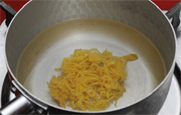
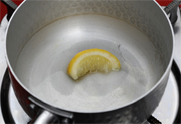
4. For sauce: Combine 10g lemon, 20g sugar, 10g condensed milk, 50g water, 10g minced garlic, 5g minced ginger, and 20g vinegar in a small saucepan. Simmer until sugar dissolves. Thicken with a slurry made from 20g starch powder and cold water. Remove from heat.
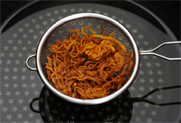
5. Heat 400g frying oil in a deep pot to 160-170°C (320-338°F). Fry noodle-coated chicken in batches for 5-7 minutes until golden brown, cooked through, and crispy. Drain on a wire rack.
6. Serve hot Dungjitwigim on a platter. Drizzle generously with warm lemon-garlic sauce or serve on the side. Enjoy immediately.
## FAQ
**Q: Can I use regular noodles instead of the colored ones?**
A: Yes, use thin, dried ramen noodles or vermicelli, broken into small pieces. The texture will be similar.
**Q: How can I store leftover Dungjitwigim?**
A: Best enjoyed fresh. Store airtight in the refrigerator for up to 2 days. Reheat in an air fryer or oven at 180°C (350°F) for 5-10 minutes for crispiness.
📸 Recipe Gallery
📺 For reference, here’s a recommended YouTube video related to “둥지튀김”.
📹 Video sourced via YouTube. All rights belong to the respective creator.