Hobakipdaseulgidoenjangguk Recipe: Everything You Need to Know About This Iconic Korean Dish
🇰🇷 The recipe below is based on official Korean MFDS (Ministry of Food and Drug Safety) data.
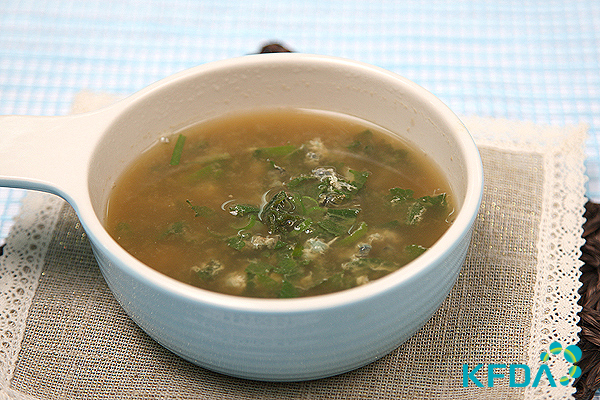
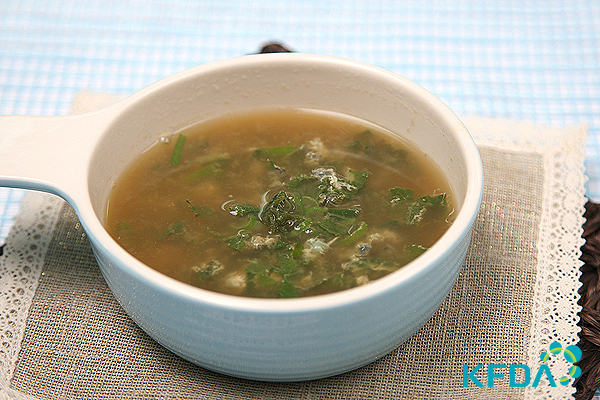
This guide on how to make Hobakipdaseulgidoenjangguk (Pumpkin Leaf and Marsh Snail Soybean Paste Soup) is based on official MFDS (Ministry of Food and Drug Safety) data, ensuring authentic flavors and reliable nutritional information. This traditional Korean soup, featuring tender pumpkin leaves and chewy marsh snails in a savory soybean paste broth, offers a comforting taste of rural Korea. It’s a prime example of seasonal, wholesome Korean food that is both nutritious and deeply satisfying. You’ll learn the authentic recipe, valuable cooking tips, and cultural insights into this beloved dish.
## Nutrition Facts (per serving)
Based on official MFDS data for a single serving of Hobakipdaseulgidoenjangguk, this hearty soup provides:
* **Calories:** 86.7 kcal
* **Carbohydrates:** 12.03 g
* **Protein:** 6.94 g
* **Fats:** 1.47 g
* **Sodium:** 923.4 mg
This balanced nutritional profile makes it an excellent choice for a light yet fulfilling meal, rich in protein and essential minerals from the snails and fiber from the pumpkin leaves.
## A Glimpse into History
Hobakipdaseulgidoenjangguk is a dish deeply rooted in Korea’s agricultural traditions, particularly prevalent in areas rich in fresh water sources where *daseulgi* (marsh snails) thrive. Historically, it was a common home-cooked meal, especially during late summer and early autumn when pumpkin leaves were abundant and tender. The use of *doenjang* (soybean paste) as a base highlights its status as a staple Korean comfort food, providing a rich umami flavor that perfectly complements the subtle sweetness of pumpkin leaves and the unique texture of marsh snails. This soup embodies the spirit of utilizing fresh, local ingredients for a wholesome and flavorful meal.
## Authentic Hobakipdaseulgidoenjangguk Ingredients
To prepare this traditional soup, you will need:
* **Pumpkin leaves (Hobakip):** 100g, peeled and blanched
* **Marsh snails (Daseulgi):** 50g, thoroughly cleaned and shelled (if preferred)
* **Doenjang (Korean soybean paste):** 2 tablespoons
* **Anchovy broth:** 4 cups (or water with 1 tbsp anchovy powder)
* **Garlic:** 1 teaspoon, minced
* **Green onion (Daepa):** 1 stalk, chopped
* **Cheongyang chili pepper (Cheongyang gochu):** 1, sliced (optional, for heat)
* **Soy sauce (Ganjang):** 1 teaspoon (for final seasoning)
* **Tofu (Dubu):** 50g, firm, cubed (about 1.5 cm)
## Mom’s Tips for a Perfect Bowl
1. **Pumpkin Leaf Prep:** Always peel the fibrous outer skin from the pumpkin leaf stems before blanching. This ensures tender leaves that aren’t stringy. Blanch quickly in salted water for about 30 seconds, then immediately shock in ice water to maintain vibrant color and stop cooking.
2. **Flavorful Broth is Key:** While anchovy broth is standard, try adding a small piece of dried kelp (dashima) for the first 10 minutes of simmering the anchovy broth. Remove it before adding other ingredients for an extra layer of umami depth.
3. **Marsh Snail Cleaning:** Daseulgi must be purged of impurities. Soak them in salted water for at least 2-3 hours, changing the water once or twice. This ensures a clean, earthy flavor without any grit.
## How to Make Hobakipdaseulgidoenjangguk
Follow these steps for an authentic Hobakipdaseulgidoenjangguk recipe:
1. **Prepare Ingredients:** Thoroughly clean marsh snails. Peel and blanch pumpkin leaves, then squeeze out excess water and cut into 5cm pieces. Cube tofu, mince garlic, and chop green onion and chili pepper.
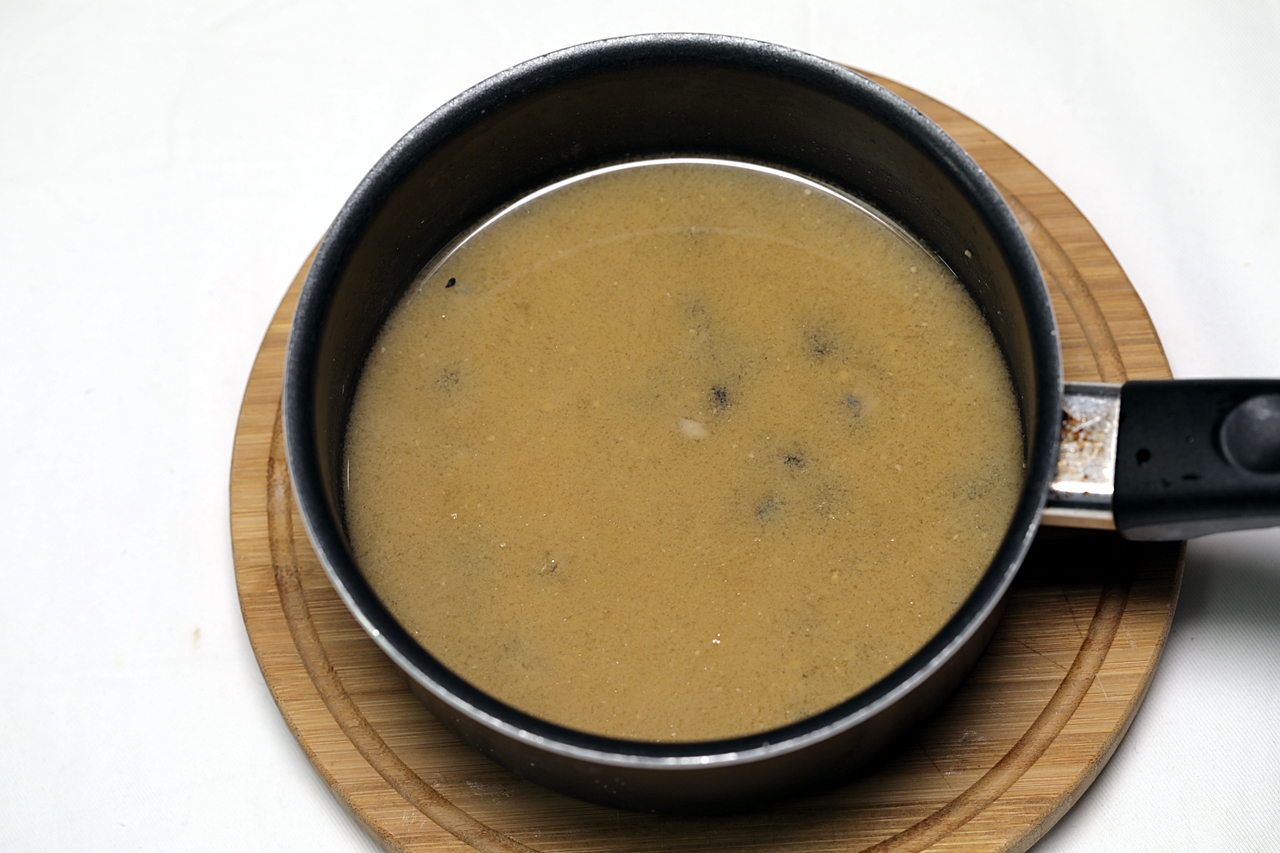
2. **Make Broth:** In a medium pot, bring 4 cups of anchovy broth to a boil. Add the *doenjang*, stirring until fully dissolved. Reduce heat to medium.
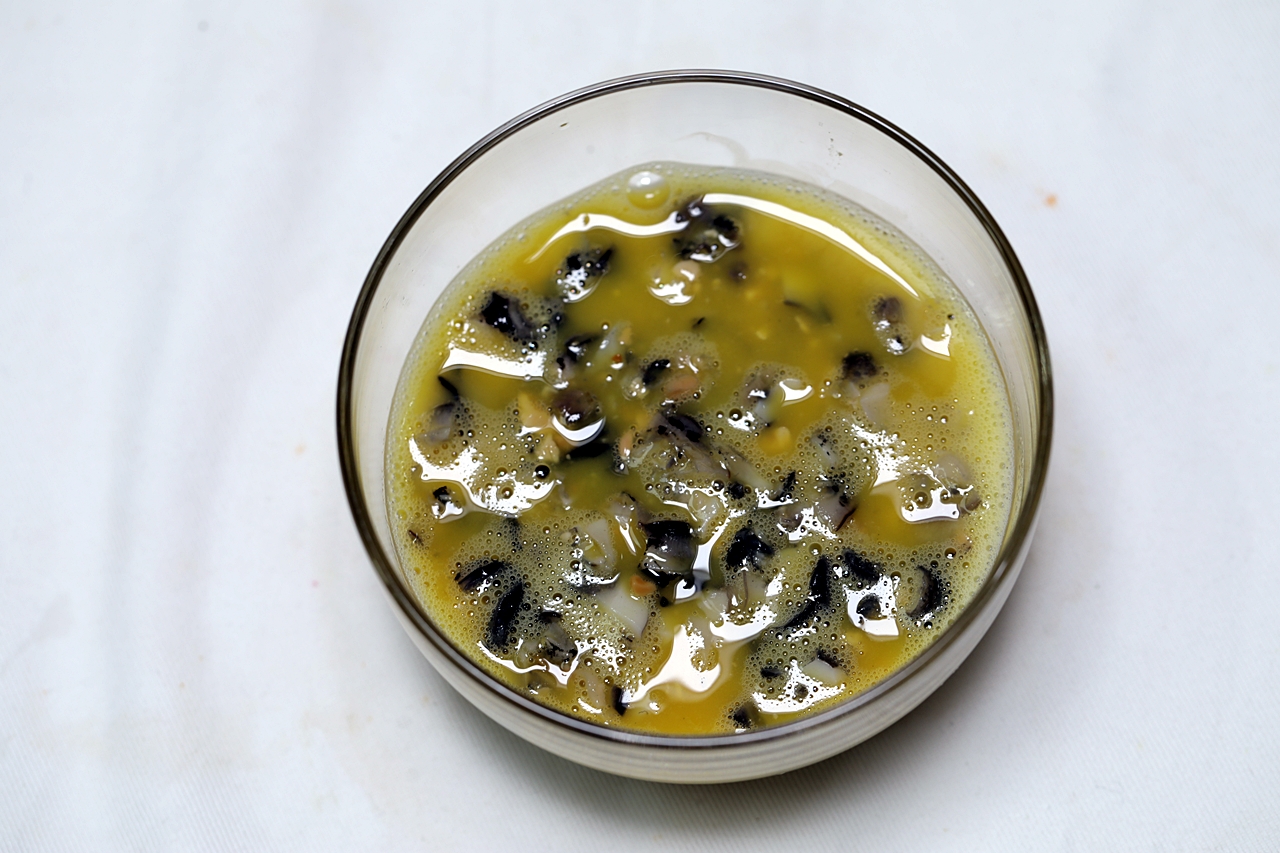
3. **Add Snails:** Add the cleaned marsh snails to the broth and simmer for 3-5 minutes until they are cooked through.
4. **Incorporate Vegetables & Tofu:** Add the blanched pumpkin leaves, cubed tofu, and minced garlic to the pot. Simmer for another 5 minutes, allowing the flavors to meld.
5. **Final Seasoning:** Stir in the chopped green onion and optional Cheongyang chili pepper. Taste and add 1 teaspoon of soy sauce if needed for extra savory depth. Serve hot.
## FAQ
**Q: Can I use other types of shellfish if I can’t find marsh snails?**
A: Yes, small clams or mussels can be a good substitute. Ensure they are thoroughly cleaned and cooked until they open.
**Q: Are there any vegetarian alternatives for this soup?**
A: For a vegetarian version, omit the marsh snails and use a mushroom or vegetable broth instead of anchovy broth. You can add more tofu or mushrooms for texture and protein.
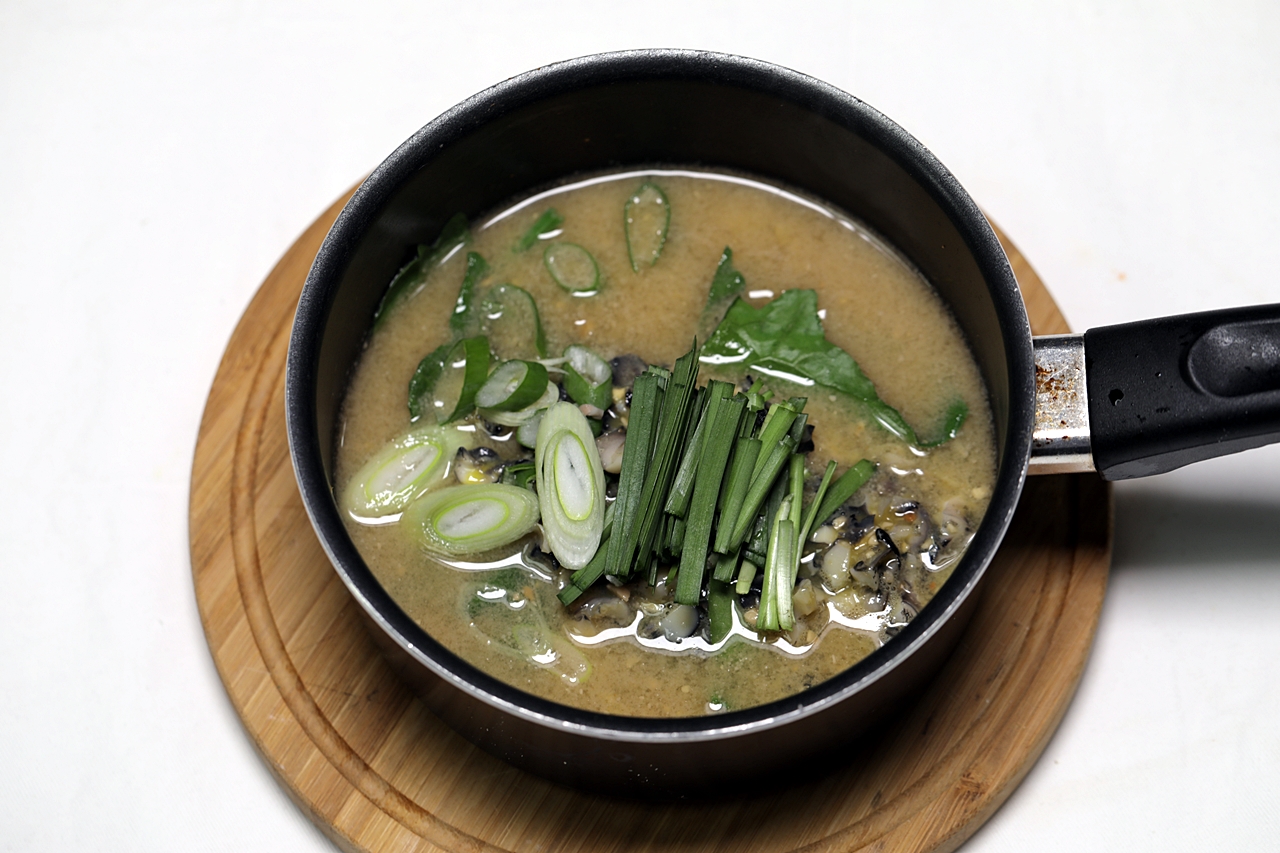
📸 Recipe Gallery
📺 For reference, here’s a recommended YouTube video related to “호박잎다슬기된장국”.
📹 Video sourced via YouTube. All rights belong to the respective creator.