How to Make Perfect Kodarimalkeunjjim: Traditional Korean Recipe with Nutrition Facts

🇰🇷 The recipe below is based on official Korean MFDS (Ministry of Food and Drug Safety) data.
### Unveiling Kodarimalkeunjjim: A Guide to Steamed Half-Dried Pollock
Kodarimalkeunjjim (Steamed Half-Dried Pollock) is a testament to the elegant simplicity of traditional Korean cuisine. This cherished dish features tender, half-dried pollock gently steamed with an array of fresh, vibrant vegetables in a remarkably clear and savory broth. Celebrated for its delicate flavor, firm yet flaky texture, and invigoratingly clean finish, Kodarimalkeunjjim stands as a beloved comfort food across Korea. If you’re eager to discover an authentic Kodarimalkeunjjim recipe or seeking detailed guidance on how to make Kodarimalkeunjjim at home, this comprehensive article offers all the insights you need. This guide is meticulously based on official MFDS (Ministry of Food and Drug Safety) data, guaranteeing a reliable, healthful, and traditional approach to preparing this exquisite Korean meal.
### Expert Tips for Perfect Kodarimalkeunjjim
These practical “Mom’s tips” ensure your dish turns out perfectly every time.
* **Optimal Kodari Hydration:** For the most tender and succulent pollock, it is crucial to soak the half-dried fish in cold water for approximately 10-15 minutes before cooking. This gentle rehydration process ensures the fish steams beautifully, achieving a flaky texture without becoming overly chewy.
* **Balancing Clear Flavors:** The essence of a truly refreshing and clear broth lies in judicious seasoning. Avoid the temptation to over-season initially. Rely on the natural sweetness from the Korean radish (mu) and the subtle, earthy notes from the glasswort (hamcho) to create a harmonious and balanced taste profile. Always taste as you go, adjusting salt carefully.
* **Consistent Steaming Technique:** Maintaining a steady, medium-high heat throughout the steaming process is vital. Over-steaming can unfortunately render the delicate fish tough, while insufficient steaming will leave it undercooked. Aim for a total steaming time of 15-20 minutes, beginning once the water in your steamer reaches a rolling boil.
### The Traditional Roots of Kodarimalkeunjjim
Kodarimalkeunjjim draws its heritage from Korea’s rich culinary tapestry, particularly from its coastal regions where pollock (*myeongtae*) is a significant staple. *Kodari* specifically refers to pollock that has undergone a partial drying process in the cold, brisk winter winds of Korea. This traditional method concentrates the fish’s flavor and develops its signature chewy yet tender texture. This *malkeun-jjim* (clear-steamed) preparation intentionally highlights the pristine, natural taste of the fish and the freshness of seasonal vegetables, offering a distinct and nourishing contrast to the spicier, gochujang-based stews. It represents a simple yet profound aspect of traditional Korean cuisine, emphasizing wholesome ingredients and delicate preparation.
### Nutritional Information (per serving)
Based on official MFDS data, Kodarimalkeunjjim provides a light, nutritious, and wholesome profile per serving, making it an excellent addition to a balanced diet.
* Calories: 96.7 kcal
### Essential Ingredients for Authentic Kodarimalkeunjjim
(This recipe is meticulously based on official MFDS data, calculated for 1 serving)
* **Main Ingredients:**
* KODARI (Half-dried Pollock): 250g
* KONGNAMUL (Soybean Sprouts): 50g
* MINARI (Water Dropwort): 20g
* HAMCHO (Glasswort / Samphire): 25g
* MU (Korean Radish): 30g
* HAMCHO SOGEUM (Glasswort Salt): 1g (or an equal amount of fine sea salt)
* **Flavorful Seasoning Mixture:**
* GANPYEON EOGANJANG (Korean Soy Sauce with Seafood Notes): 15g (alternatively, use light soy sauce combined with a small dash of fish sauce for depth)
* HAMCHO SOGEUM (Glasswort Salt): 1g (or fine sea salt)
* SAENGGANGCHEONG (Ginger Syrup): 15g (a simple substitute is fresh ginger juice mixed with a pinch of sugar)
* HUINHUCHU (White Pepper): 1g
* CHEONGJU (Korean Rice Wine): 15g (sake or a dry white wine can be used as alternatives)
* **Garnish and Finishing Touches:**
* LEMON JEUP (Fresh Lemon Juice): 5g
* DAJIN MANEUL (Finely Minced Garlic): 15g
* YEON GYEJA (Mild Korean Mustard Paste): 7g (Dijon mustard can be used, adjusting the quantity to your taste preference)
* TONGKKAE (Toasted Sesame Seeds): 10g
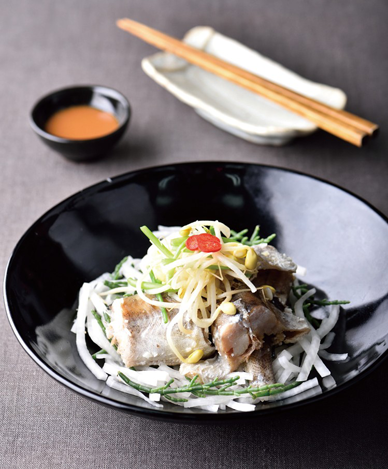
### How to Prepare Kodarimalkeunjjim: A Step-by-Step Guide
Follow these precise, numbered instructions to prepare a perfectly steamed and authentic Kodarimalkeunjjim in your own kitchen.
1. **Prepare the Kodari:** Begin by gently rinsing the half-dried pollock under cold running water. If the fish feels particularly stiff, immerse it in cold water for 10-15 minutes until it has slightly softened. Once ready, cut the kodari into 2-3 manageable pieces.
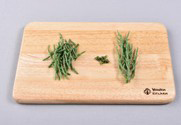
2. **Prepare the Vegetables:** Thoroughly wash the kongnamul (soybean sprouts), minari (water dropwort), and hamcho (glasswort). Peel the mu (Korean radish) and thinly slice it into uniform, bite-sized pieces.
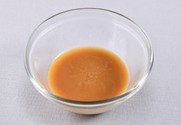
3. **Craft the Seasoning Blend:** In a small mixing bowl, combine the ganpyeon eoganjang, 1g of hamcho sogeum, saenggangcheong, huinhuchu, cheongju, lemon jeup, and dajin maneul. Whisk these ingredients together until they are thoroughly blended into a cohesive sauce.
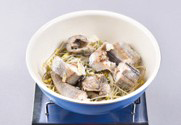
4. **Assemble for Steaming:** Arrange the thinly sliced mu evenly across the bottom of your steamer pot. Carefully place the prepared kodari pieces over the radish. Then, layer the kongnamul, minari, and hamcho on top of the fish.
5. **Season and Steam:** Evenly pour the prepared seasoning mixture over all the ingredients in the pot. Sprinkle the remaining 1g of hamcho sogeum over the top. Bring the water in your steamer to a robust, rolling boil over medium-high heat. Carefully place the pot containing the ingredients into the steamer. Steam for approximately 15-20 minutes, or until the fish is beautifully flaky and cooked through, and the vegetables are tender-crisp.
6. **Serve Immediately:** With care, transfer the freshly steamed Kodarimalkeunjjim to a warm serving platter or individual bowls. Garnish generously with yeon gyeoja (Korean mustard paste) and tongkkae (toasted sesame seeds) for an enhanced presentation and flavor. Serve this wholesome dish immediately to enjoy its best taste and warmth.
### Kodarimalkeunjjim Frequently Asked Questions
* **Q: Can I substitute fresh pollock for kodari in this recipe?**
A: While you certainly can use fresh pollock, the distinctive chewy yet tender texture and deeply concentrated flavor of *kodari* (half-dried pollock) are truly paramount for achieving an authentic Kodarimalkeunjjim experience. Using fresh pollock will result in a different, though still tasty, dish.
* **Q: What are the best side dishes to serve with Kodarimalkeunjjim?**
A: Kodarimalkeunjjim is traditionally served alongside a comforting bowl of warm, freshly steamed rice. It pairs wonderfully with a variety of *banchan* (small Korean side dishes) such as various types of kimchi, seasoned vegetable salads, or a light, clear soup, all of which complement its clean and refreshing flavors beautifully.
📸 Recipe Gallery
📺 For reference, here’s a recommended YouTube video related to “코다리맑은찜”.
📹 Video sourced via YouTube. All rights belong to the respective creator.