The Complete Guide to Authentic Kokoneotmilkeukare: A Korean Kitchen Masterclass

🇰🇷 The recipe below is based on official Korean MFDS (Ministry of Food and Drug Safety) data.
This guide is based on official MFDS (Ministry of Food and Drug Safety) data, ensuring accuracy and reliability for your home cooking journey. Learn how to prepare a delicious and wholesome Kokoneotmilkeukare (Coconut Milk Curry) at home with this comprehensive recipe. Combining creamy coconut milk with fragrant Korean curry powder, this dish offers a delightful twist on a beloved comfort food. If you’re searching for a flavorful and easy-to-make Kokoneotmilkeukare recipe, you’ve come to the right place.
History of Kokoneotmilkeukare
Curry was introduced to Korea via Japan in the early 20th century, quickly becoming a popular staple for quick and comforting home meals. While traditional Korean curry typically uses a savory, slightly spicy powder base, Kokoneotmilkeukare represents a modern evolution. This contemporary rendition incorporates coconut milk for a richer, creamier texture and a subtly sweet, aromatic depth, reflecting a growing appreciation for diverse global flavors within Korean cuisine. It’s a testament to how Korean home cooking continuously adapts and innovates.
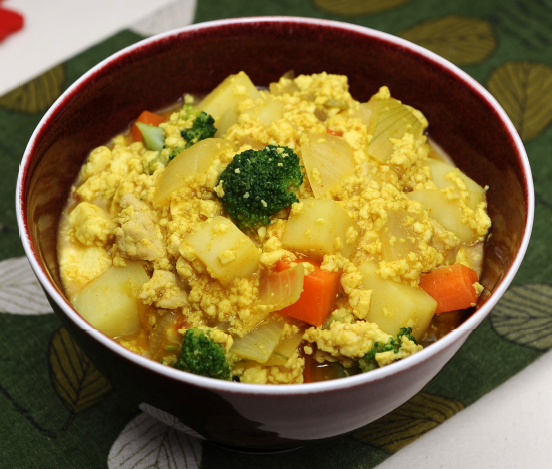
Ingredients for Kokoneotmilkeukare
Achieving the perfect Kokoneotmilkeukare starts with fresh, quality ingredients. This recipe serves one.
* **Tofu (두부):** 100g, firm or extra-firm, cut into 2cm cubes.
* **Pork (돼지고기):** 50g, thinly sliced or diced (e.g., loin or shoulder). *Substitute: Chicken breast, beef, or mushrooms for a vegetarian option.*
* **Coconut Milk (코코넛밀크):** 20g, full-fat for richness.
* **Carrot (당근):** 20g, peeled and diced.
* **Onion (양파):** 20g, diced.
* **Broccoli (브로콜리):** 20g, cut into small florets.
* **Potato (감자):** 20g, peeled and diced.
* **Curry Powder (카레가루):** 30g, Korean-style curry powder for authentic flavor.
* **Butter (버터):** 10g. *Substitute: Cooking oil.*
* **Water (물):** 250g.
* **Salt (소금):** 0.3g, to taste.
Cooking Steps
Follow these numbered steps to create your delicious Kokoneotmilkeukare.
1. **Prepare Ingredients:** Dice tofu, pork, carrot, onion, and potato into uniform 2cm pieces. Cut broccoli into small florets.
2. **Sauté Aromatics and Meat:** In a medium pot or deep pan, melt 10g of butter over medium heat. Add the diced onion and cook until softened, about 2-3 minutes.
3. **Brown Pork and Vegetables:** Add the 50g of pork to the pot and cook until lightly browned. Then, add the diced carrot and potato. Sauté for another 5 minutes, stirring occasionally, until vegetables begin to soften.
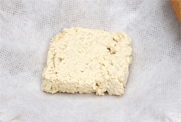
4. **Add Water and Simmer:** Pour in 250g of water. Bring the mixture to a boil, then reduce heat to low, cover, and simmer for 10-12 minutes, or until the potatoes and carrots are tender.
5. **Stir in Curry Powder:** Open the lid and add 30g of Korean curry powder and 0.3g of salt. Stir well to ensure the curry powder dissolves completely, preventing lumps.
6. **Incorporate Coconut Milk and Tofu:** Gently stir in 20g of coconut milk. Add the cubed tofu and broccoli florets. Continue to simmer for another 3-5 minutes, allowing the flavors to meld and the broccoli to cook to your desired tenderness. Do not overcook the tofu.
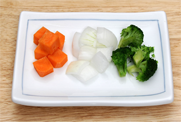
7. **Serve:** Remove from heat. Your Kokoneotmilkeukare is ready to serve!
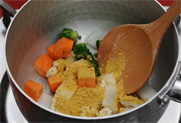
Nutrition Information
Based on official MFDS data, a single serving of Kokoneotmilkeukare provides:
| Nutrient | Amount |
| :——– | :——— |
| Calories | 330.2 kcal |
Mom’s Tips for Perfect Kokoneotmilkeukare
These practical tips, learned from years of home cooking, will elevate your dish:
* **Don’t Rush the Sauté:** Properly browning the pork and vegetables at the beginning adds significant depth of flavor to the entire curry. High heat initially then medium for cooking down.
* **Tofu Last:** Add the tofu and delicate broccoli towards the end of the cooking process. Tofu can break apart if stirred too vigorously or cooked for too long, and broccoli retains its vibrant color and slight crunch if not overcooked.
* **Adjust Consistency:** If you prefer a thinner curry, you can add a little more water or coconut milk during simmering. For a thicker curry, let it simmer uncovered for a few extra minutes, stirring frequently, to reduce the liquid.
Cultural and Regional Context
While “curry” itself isn’t indigenous to Korea, its adaptation into home cooking is a fascinating cultural story. Kokoneotmilkeukare embodies Korea’s modern culinary journey, where global ingredients like coconut milk are seamlessly integrated into familiar formats, catering to an increasingly diverse palate while still retaining the comforting essence of a Korean home meal. It’s a dish enjoyed across various households, from quick weeknight dinners to special family gatherings.
FAQ
**Q: Can I make Kokoneotmilkeukare vegetarian?**
A: Absolutely! Simply omit the pork and use vegetable broth instead of water. You can also add more vegetables like mushrooms, bell peppers, or chickpeas for extra protein and texture.
**Q: What is the best way to serve Kokoneotmilkeukare?**
A: Kokoneotmilkeukare is traditionally served hot over a bed of freshly steamed short-grain white rice. You can also pair it with a side of kimchi or other Korean banchan (side dishes) for a complete and balanced meal.
📸 Recipe Gallery
📺 For reference, here’s a recommended YouTube video related to “코코넛밀크카레”.
📹 Video sourced via YouTube. All rights belong to the respective creator.