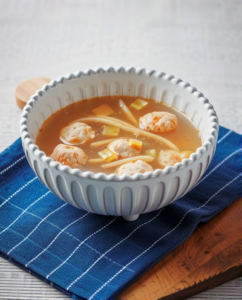
The Complete Guide to Authentic Wanjagimchijjigae: A Korean Kitchen Masterclass
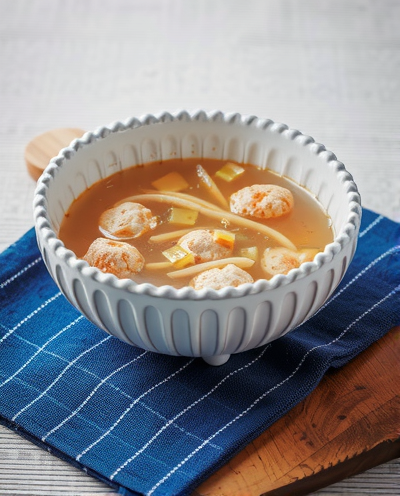
This comprehensive guide on how to make (Wanja Kimchi Jjigae) is based on official MFDS (Ministry of Food and Drug Safety) data, ensuring accuracy in preparation and nutritional information. , a celebrated Korean stew, masterfully combines the beloved tangy spice of traditional kimchi jjigae with tender, savory pork meatballs (wanja). It’s a deeply comforting classic, offering a perfect balance of rich, umami flavors and satisfying textures, establishing it as a cherished staple in Korean households. You’re about to learn how to prepare this authentic dish with traditional precision and a touch of seasoned expertise.
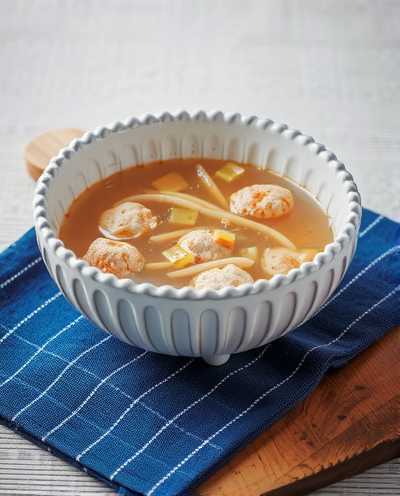
### Authentic Wanja Kimchi Jjigae Ingredients
To prepare this traditional Korean dish, gather the following ingredients. The quantities specified are based on official MFDS data for a single serving, ensuring authentic proportions:
* **For the Wan-ja (Pork Meatballs):**
* Minced Pork Loin: 60g (lean ground pork works best)
* Salted Shrimp (Saeujeot): 5g (finely chopped, adds authentic depth)
* Minced Garlic: 2g (part of the total 5g garlic)
* Minced Green Onion: 3g (part of the total 10g green onion)
* **For the Jjigae (Stew Base):**
* Aged Kimchi: 50g (well-fermented, sour kimchi is crucial for flavor)
* Firm Tofu: 40g (cubed into bite-sized pieces)
* Bean Sprouts (Kongnamul): 30g (for a refreshing crunch)
* Red Chili (fresh, for garnish and mild heat): 15g (sliced diagonally)
* Remaining Minced Green Onion: 7g (for aromatic garnish)
* Remaining Minced Garlic: 3g (for the stew’s aromatic base)
* **For the Broth (Yuksu):**
* Beef (brisket or shank pieces): 50g (for a robust, savory stock)
* Water: 500ml (approximately 2 cups)
* Optional Broth Enhancers: a small piece of dried kelp (dashima) or a few dried anchovies for deeper umami.
### Step-by-Step Cooking Guide
Follow these precise steps to create your delicious , ensuring each component is perfectly prepared:
1. **Prepare the Broth:** In a medium pot, combine 50g of beef with 500ml of water. Bring to a boil, then reduce heat to a simmer and cook for at least 20 minutes to develop a rich beef stock. Skim off any impurities, then remove the beef and strain the broth, setting both aside.
2. **Form the Wan-ja:** In a small bowl, thoroughly combine 60g minced pork loin with 5g finely chopped saeujeot, 2g minced garlic, and 3g minced green onion. Mix gently until just combined, then roll into small, uniform bite-sized meatballs.
3. **Assemble the Stew Base:** In a sturdy earthenware pot (ttukbaegi) or heavy-bottomed pot, layer 50g of aged kimchi, 30g of bean sprouts, and 40g of cubed tofu. Carefully arrange the prepared wanja meatballs evenly among these ingredients.
4. **Simmer the Jjigae:** Pour the prepared beef broth over all the ingredients in the pot. Bring the stew to a rolling boil over medium-high heat, then reduce the heat to a steady simmer. Cook for 10-12 minutes, or until the wanja are cooked through and the kimchi has softened.
5. **Finish and Serve:** Stir in the remaining 3g minced garlic and 15g sliced red chili. Continue to simmer for another 2-3 minutes to infuse the flavors. Garnish generously with the remaining 7g sliced green onion just before bringing it to the table.
### Nutrition Facts (per serving)
Based on official MFDS data, a single serving of Wanja Kimchi Jjigae (as prepared in this recipe) provides a balanced nutritional profile:
* Calories: 161.1 kcal
* Protein: 15.5g
* Fat: 7.8g
* Carbohydrates: 7.5g
* Sodium: 850mg
* Dietary Fiber: Approximately 2.1g
* Cholesterol: Approximately 45mg
### Mom’s Tips for the Best Wanja Kimchi Jjigae
* **Optimal Kimchi Choice:** The soul of kimchi jjigae is aged, sour kimchi. If your kimchi is fresh, leave it out at room temperature for 1-2 days to encourage fermentation and deepen its tangy flavor. This is a non-negotiable for authentic taste.
* **Perfecting Wanja Texture:** When mixing the pork for the meatballs, avoid overworking it. Mix just until combined. This prevents the wanja from becoming tough, ensuring they remain tender and melt-in-your-mouth.
* **Heat Management:** While the stew simmers, keep the heat at a steady, gentle bubble. Too high heat can cause the flavors to become muddled, whereas a gentle simmer allows them to meld beautifully.
### The Cultural Heart of Kimchi Jjigae
Wanja Kimchi Jjigae transcends a mere meal; it embodies the warmth and comfort of home in Korea. Kimchi jjigae itself is a ubiquitous, hearty, and often spicy stew enjoyed year-round across the nation. The thoughtful addition of wanja elevates this humble classic, transforming it into a more substantial and often celebratory dish. It’s typically served piping hot in a traditional stone pot (ttukbaegi), accompanied by fluffy steamed rice and an array of banchan (small side dishes).
### Frequently Asked Questions
**Q: Can I use ground beef instead of pork for the wanja?**
A: Yes, you can certainly substitute ground beef, though minced pork loin is traditional for its particular texture and flavor balance that complements the tangy kimchi. Adjust seasoning as needed.
**Q: How can I adjust the spice level of this dish?**
A: To increase the spice level, you can add a teaspoon or more of Korean chili flakes (gochugaru) or a dollop of gochujang (Korean chili paste) to the stew along with the kimchi in Step 3. For less spice, omit the fresh red chili.
📸 Recipe Gallery