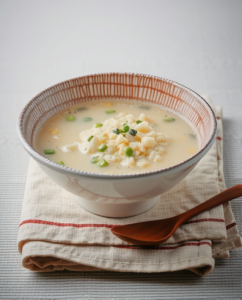
Why Baekgimchikongbijijjigae Is Korea’s Soul Food: Full Recipe, Nutrition & Cultural History
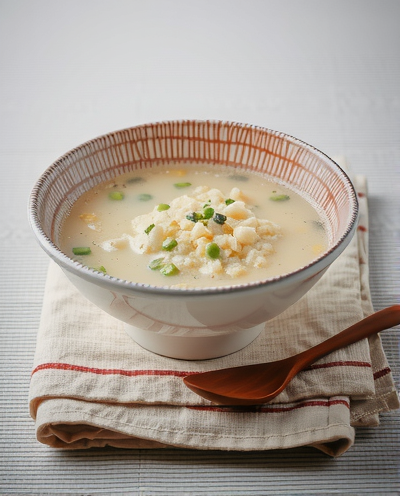
This guide to preparing Baek Kimchi Kongbiji Jjigae is based on official MFDS (Ministry of Food and Drug Safety) data, ensuring authenticity and nutritional accuracy. If you’re looking for an authentic Baek Kimchi Kongbiji Jjigae recipe, you’ve come to the right place. Baek Kimchi Kongbiji Jjigae is a comforting Korean stew, renowned for its delicate flavor profile derived from non-spicy white kimchi and savory, ground soybean pulp (kongbiji). This recipe will teach you how to make that’s both delicious and true to its traditional roots.
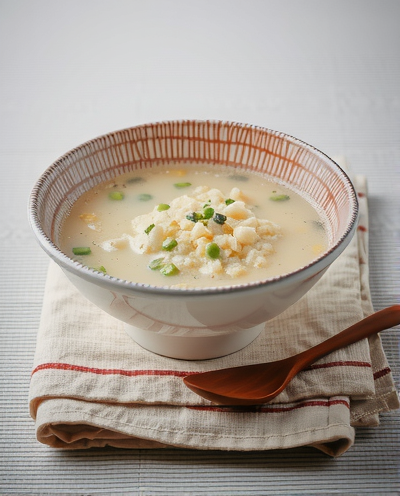
## Ingredients for Authentic Baek Kimchi Kongbiji Jjigae
This recipe utilizes precise measurements to achieve the traditional taste and nutritional balance.
* **Main Ingredients:**
* Green Chili Pepper : 10g (approx. 1 medium pepper), sliced thinly
* Baek Kimchi : 100g, chopped into bite-sized pieces (substitute: mild napa cabbage kimchi, rinsed)
* Kongbiji : 100g (ground soybean pulp, available frozen or fresh at Korean markets)
* **Seasoning:**
* Sesame Oil : 8g (approx. 2 teaspoons)
* Black Pepper : 0.2g (a pinch)
* Minced Garlic : 10g (approx. 2 teaspoons)
* Soy Sauce : 2g (approx. 1/2 teaspoon, for flavor balance; traditionally guk-ganjang or light soy sauce)
* **Other:**
* Water or anchovy broth: 200ml (approx. 3/4 cup, for simmering)
## Nutrition Profile
Based on official MFDS data for the provided recipe:
* **Calories:** 195.3 kcal
This traditional Korean dish offers a wholesome and satisfying meal option.
## How to Make Baek Kimchi Kongbiji Jjigae: Step-by-Step Recipe
Follow these numbered steps for a perfect, savory stew.
1. **Prepare Ingredients:** Slice the green chili pepper thinly. Chop the baek kimchi into small, manageable pieces. Ensure your kongbiji is thawed if frozen.
2. **Sauté Aromatics:** In a small pot or earthenware (tteokbaegi), add the sesame oil. Over medium heat, sauté the minced garlic for about 30 seconds until fragrant.
3. **Add Kimchi:** Add the chopped baek kimchi to the pot and sauté for 2-3 minutes, stirring occasionally. This helps to deepen the kimchi’s flavor.
4. **Combine Kongbiji and Simmer:** Stir in the kongbiji with the sautéed kimchi. Add 200ml of water or anchovy broth. Bring the mixture to a gentle boil, then reduce heat to low.
5. **Season and Finish:** Add the soy sauce and black pepper. Stir gently to combine. Simmer for an additional 5-7 minutes, allowing the flavors to meld and the jjigae to thicken slightly. The consistency should be creamy but still spoonable.
6. **Garnish and Serve:** Before serving, stir in the sliced green chili pepper. Serve hot with a bowl of freshly cooked rice.
## Mom’s Tips for the Perfect Jjigae
* **Gentle Simmering:** For a richer flavor, avoid high heat during the simmering phase. A gentle, consistent simmer allows the kongbiji to fully absorb the broth and meld with the kimchi’s delicate notes.
* **Consistency is Key:** Kongbiji jjigae thickens as it cools. If you prefer a thinner stew, you can add a little more water or broth during the final simmering step. Don’t overcook the kongbiji, as it can become too dense.
* **Taste and Adjust:** While the recipe provides precise measurements, personal preference varies. Taste before serving and adjust soy sauce or add a pinch of salt if needed.
## The Cultural Significance of Baek Kimchi Kongbiji Jjigae
Baek Kimchi Kongbiji Jjigae represents a unique facet of traditional Korean cuisine. Baek kimchi, or white kimchi, is fermented without chili powder, offering a milder, refreshing flavor compared to its red counterpart. Kongbiji, traditionally a byproduct of tofu production, has long been cherished as a frugal yet nutritious ingredient, rich in protein and fiber. This jjigae showcases Korean ingenuity in creating wholesome, comforting dishes from readily available ingredients, emphasizing balance and understated flavors rather than spice. It’s often considered a rustic, homely dish, deeply rooted in the everyday lives of Koreans.
## Frequently Asked Questions (FAQ)
**Q: Can I use regular red kimchi instead of Baek Kimchi?**
A: While you can, the flavor profile will be significantly different. Baek kimchi offers a distinct, mild tang that allows the delicate soybean flavor to shine. Red kimchi will make the stew spicier and more robust, transforming it into a different dish.
**Q: How do I store leftover Baek Kimchi Kongbiji Jjigae?**
A: Store any leftovers in an airtight container in the refrigerator for up to 2-3 days. Reheat gently on the stove over low heat, adding a splash of water or broth if it has thickened too much.
📸 Recipe Gallery