Unlock the Secret of Malkeunbudaejjigae: Authentic Flavors from South Korea’s MFDS Data
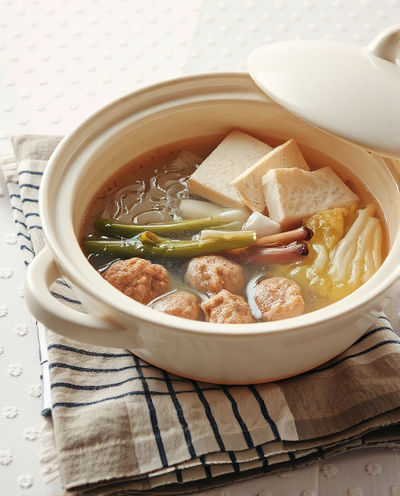
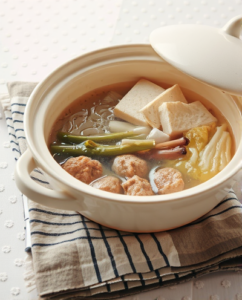
(Malgeun Budae Jjigae) is a less common but equally comforting variation of the classic Korean stew, Budae Jjigae. While its spicy, crimson counterpart emerged post-Korean War, utilizing surplus American processed foods, the ‘clear’ version offers a different experience. It focuses on the natural flavors of fresh ingredients and a clean, savory broth, providing a wholesome twist on a beloved dish. This guide, offering an authentic recipe, is based on official MFDS (Ministry of Food and Drug Safety) data, ensuring accuracy and traditional preparation. You’ll learn how to craft this nutritious and flavorful stew from scratch.
History of Malgeun Budae Jjigae
Budae Jjigae, often translated as “Army Stew,” originated in the Uijeongbu region of Korea during the lean post-Korean War years. Resourceful Koreans used ingredients from U.S. army bases, like ham, sausages, and canned beans, combining them with kimchi and gochujang into a hearty stew. Malgeun Budae Jjigae, however, represents a more refined approach, eschewing the strong spices and processed elements for a clearer, lighter broth that highlights the inherent goodness of fresh vegetables and quality meats. It’s a testament to Korean culinary adaptability, proving that comfort food can also be delightfully fresh.
Ingredients for Authentic
This recipe yields approximately 2 servings.
* **Vegetables & Add-ins:**
* Oyster mushrooms : 10g
* Tofu : 50g, cut into bite-sized pieces
* Bean sprouts : 10g
* Napa cabbage : 40g, roughly chopped
* Water celery / Minari : 20g, cut into 5cm lengths
* Soaked glass noodles : 10g
* Joraengi Tteok (gourd-shaped rice cakes): 30g
* **Meats:**
* Pork : 50g (ground or finely minced)
* Beef : 50g (ground or finely minced)
* **For the Kelp Broth:**
* Kelp : 3g
* Onion : 30g, quartered
* Green onion : 20g, roughly chopped
* Korean radish : 30g, sliced
* Dried chili : 5g (optional, for a hint of warmth)
* Water: 600ml
* **For Meatball Seasoning:**
* Ginger juice : 2g
* Minced green onion : 10g
* Minced garlic : 5g
* Black pepper : 0.1g
* Salt : 0.1g
How to Make (Clear Budae Jjigae Recipe)
1. Prepare the Kelp Broth
Combine kelp, onion, green onion, Korean radish, dried chili (if using), and 600ml water in a pot. Bring to a boil over medium-high heat. Once boiling, reduce heat to low and simmer for 15-20 minutes. Strain the broth, discarding the solids. Set aside.
2. Make the Meatballs
In a bowl, combine the ground pork and beef with ginger juice, minced green onion, minced garlic, black pepper, and salt. Mix thoroughly until well combined. Form small, bite-sized meatballs (approximately 10-15g each).
3. Assemble the Stew
Arrange the prepared vegetables (oyster mushrooms, tofu, bean sprouts, napa cabbage, water celery), soaked glass noodles, Joraengi Tteok, and meatballs neatly in a shallow pot or hot pot.
4. Cook the Stew
Pour the prepared kelp broth over the ingredients in the pot. Bring the stew to a boil over medium-high heat. Once boiling, reduce the heat and simmer for 8-10 minutes, or until the meatballs are cooked through, vegetables are tender, and rice cakes are soft. Serve immediately.
Nutrition Facts (Based on MFDS Data)
A single serving of this recipe provides:
* **Calories:** 395.9 kcal
* **Carbohydrates:** 29.5g
* **Protein:** 33.6g
* **Fat:** 15.6g
* **Sodium:** 947.6mg
* **Sugars:** 4.8g
* **Saturated Fat:** 5.7g
* **Trans Fat:** 0.1g
* **Cholesterol:** 125.7mg
Mom’s Tips for a Perfect Stew
* **Broth Depth:** When making the kelp broth, avoid over-boiling the kelp to prevent a bitter taste. Remove it after 10 minutes if you want a cleaner flavor, allowing other ingredients to simmer longer.
* **Tteok Texture:** Add Joraengi Tteok a little later in the cooking process, around 5 minutes before serving, to ensure they remain delightfully chewy and don’t become overly soft or dissolve into the broth.
* **Meatball Firmness:** For easier handling and firmer meatballs, chill the seasoned meat mixture in the refrigerator for 15-20 minutes before forming.
FAQ About
**Q: Can I make vegetarian?**
A: Yes, you can easily adapt this recipe. Omit the pork and beef meatballs, and replace them with extra tofu, various mushrooms (enoki, shiitake), or even vegetarian dumplings. Ensure your kelp broth is prepared without any animal products.
**Q: What do you serve with ?**
A: This stew is a complete meal on its own, but it’s traditionally enjoyed with a bowl of freshly cooked white rice. Kimchi, along with various other small side dishes (banchan) like seasoned spinach or pickled radishes, makes for a perfect accompaniment.
📸 Recipe Gallery