The Complete Guide to Authentic Ssukgatbudaejjigae: A Korean Kitchen Masterclass
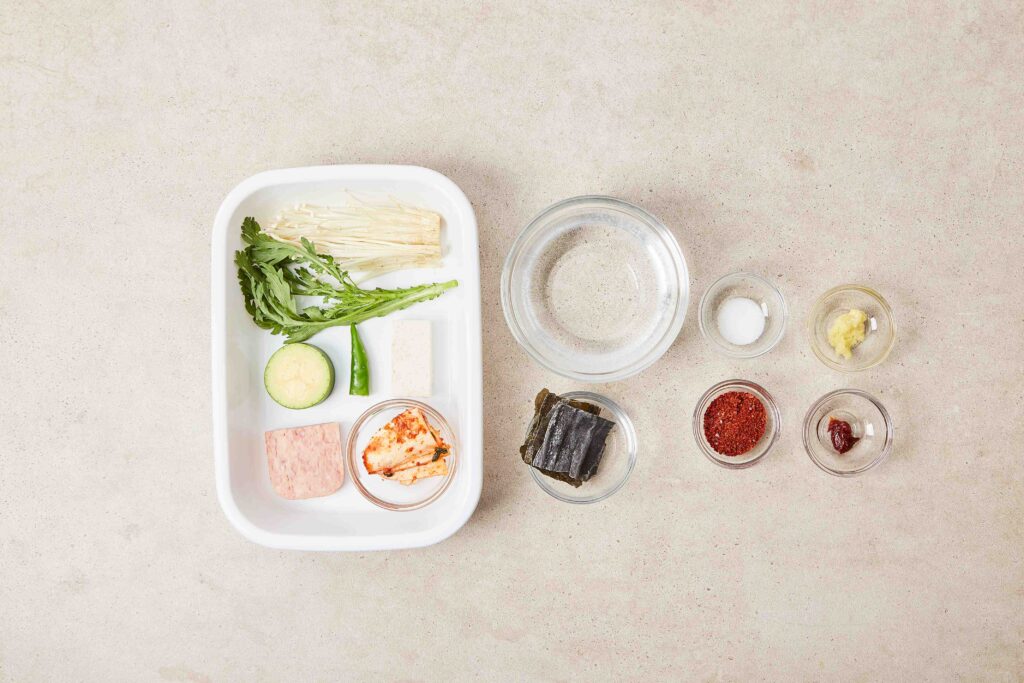
“The recipe below is based on official Korean MFDS (Ministry of Food and Drug Safety) data.”
This comprehensive guide on how to make (Ssukgat Budae Jjigae) is based on official MFDS (Ministry of Food and Drug Safety) data, ensuring an authentic and balanced culinary experience. (Ssukgat Budae Jjigae), or Crown Daisy Budae Jjigae, is a beloved Korean stew that combines savory canned ham, fresh vegetables, and spicy kimchi in a rich broth, famously topped with aromatic crown daisy. This post will walk you through the precise steps to prepare this comforting and flavorful dish, perfect for sharing.
### What is ?(Ssukgat Budae Jjigae?)
is a hearty Korean fusion stew, a variation of Budae Jjigae (Army Stew), distinguished by the addition of (ssukgat), or crown daisy, which imparts a unique fresh, slightly bitter aroma. It’s a warm, spicy, and satisfying meal, embodying a blend of robust flavors.
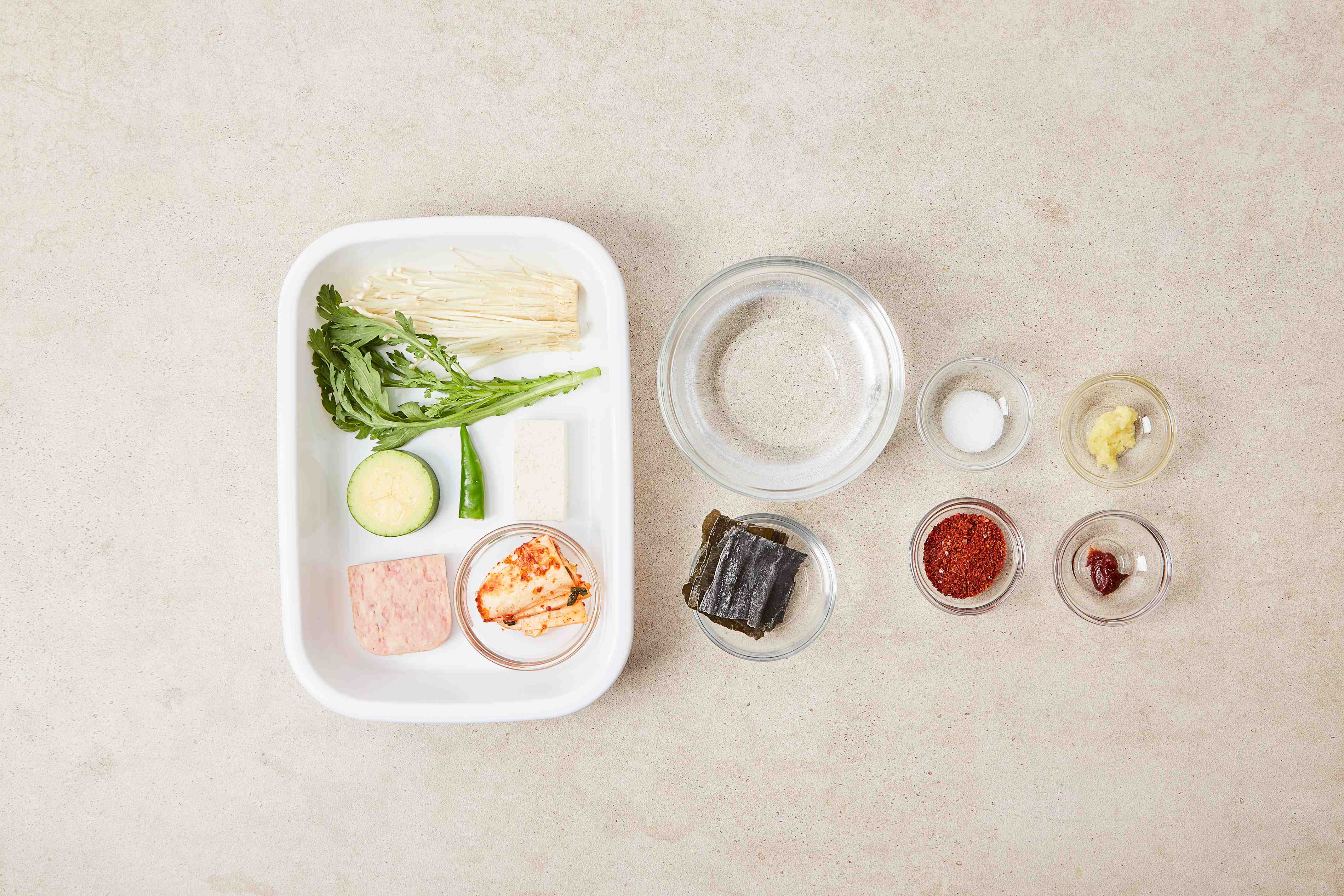
### Ingredients for Authentic (Ssukgat Budae Jjigae)
This recipe uses exact measurements for optimal flavor and balance, based on official MFDS data.
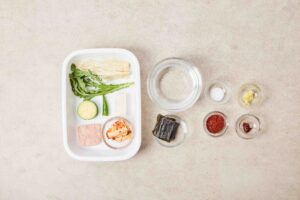
**Essential Ingredients:**
* Canned Ham: 30g (e.g., Spam, sliced)
* Korean Zucchini (Aehobak): 20g (thinly sliced; substitute with regular zucchini)
* Tofu: 20g (firm or medium-firm, sliced into bite-sized pieces)
* Enoki Mushrooms: 20g (base trimmed, separated)
* Cheongyang Chili (Korean green chili): 5g (sliced; adjust to taste or substitute with serrano pepper for less heat)
* Kimchi: 30g (well-fermented, cut into bite-sized pieces)
* Crown Daisy (Ssukgat): 4g (washed, stems trimmed; substitute with watercress or spinach for similar peppery notes)
**Broth:**
* Dried Kelp (Dashima): 5g
* Water: 200g
**Seasoning Paste (Yangnyeomjang):**
* Sugar: 0.5g
* Gochugaru (Korean chili flakes): 4g
* Minced Garlic: 2g
* Gochujang (Korean chili paste): 2g
### Nutrition Information
According to official MFDS data, one serving of (Ssukgat Budae Jjigae) prepared with this recipe contains approximately **126.3 kcal**.
### Cooking Steps: Your Guide to (Ssukgat Budae Jjigae)
Follow these numbered steps for a delicious and authentic stew.
1. **Prepare the Broth:** In a small pot, add 200g of water and 5g of dried kelp. Bring to a boil, then reduce heat and simmer for 10 minutes. Remove the kelp, reserving the rich broth.
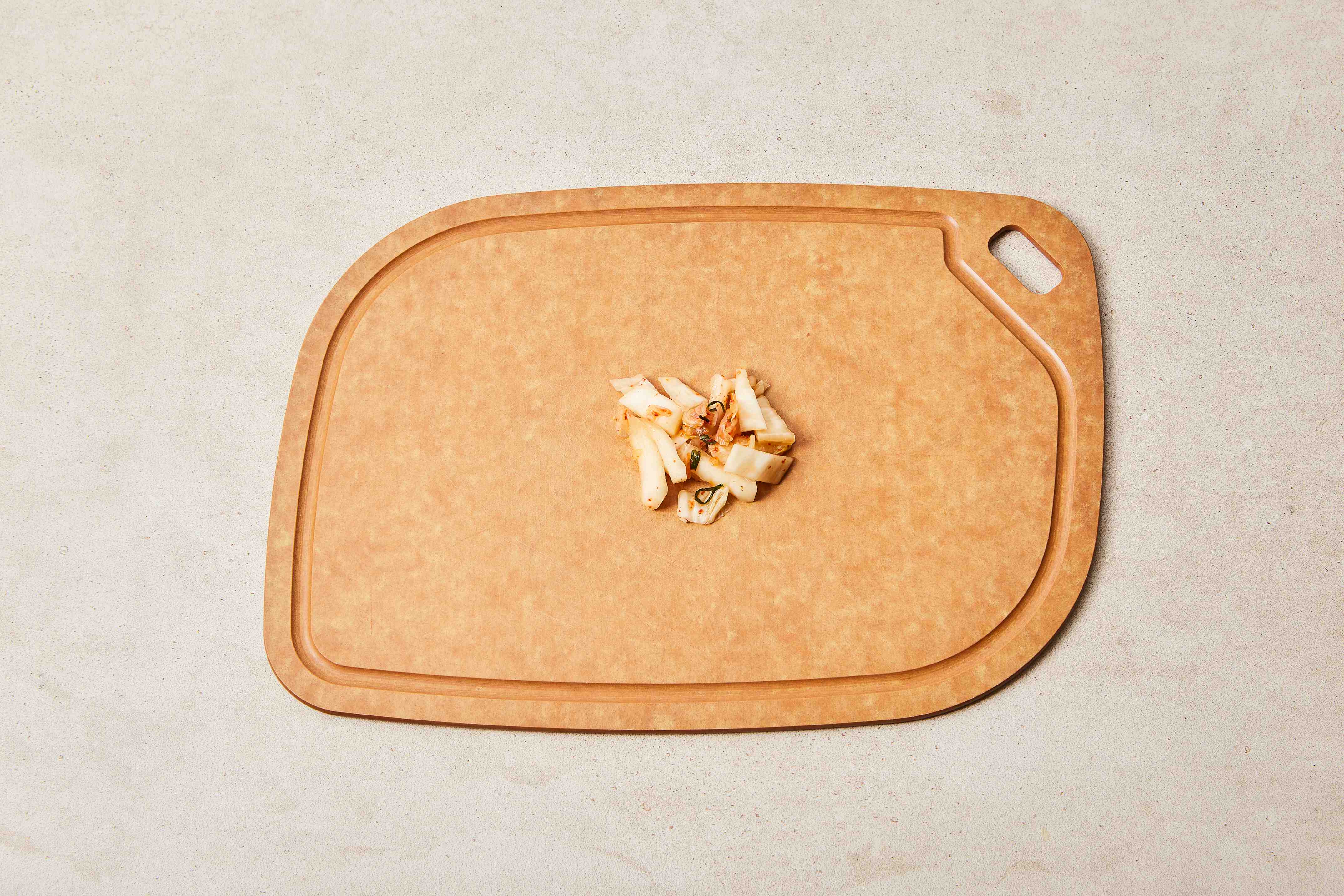
2. **Chop Ingredients:** While the broth simmers, thinly slice the canned ham, Korean zucchini, tofu, and Cheongyang chili. Cut the kimchi into bite-sized pieces and trim the base of the enoki mushrooms.
3. **Assemble the Stew:** Arrange the sliced ham, Korean zucchini, tofu, enoki mushrooms, and kimchi neatly in a shallow pot or personal hot pot.
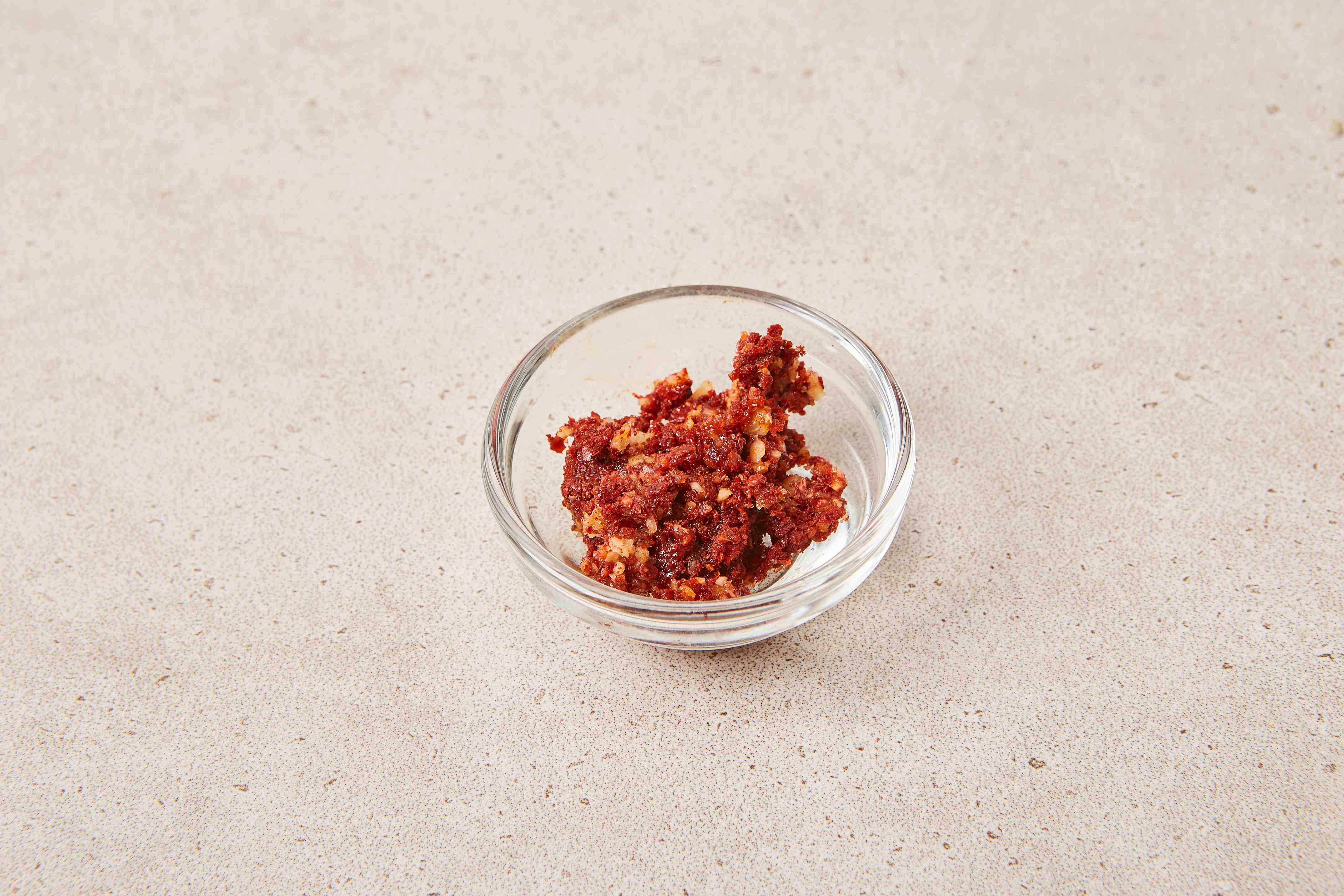
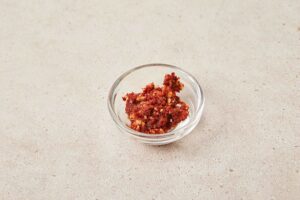
4. **Make the Seasoning Paste:** In a small bowl, combine 0.5g sugar, 4g gochugaru, 2g minced garlic, and 2g gochujang. Mix thoroughly until a smooth paste forms.
5. **Add Broth and Seasoning:** Pour the prepared kelp broth over the arranged ingredients in the pot. Place the seasoning paste in the center of the ingredients.
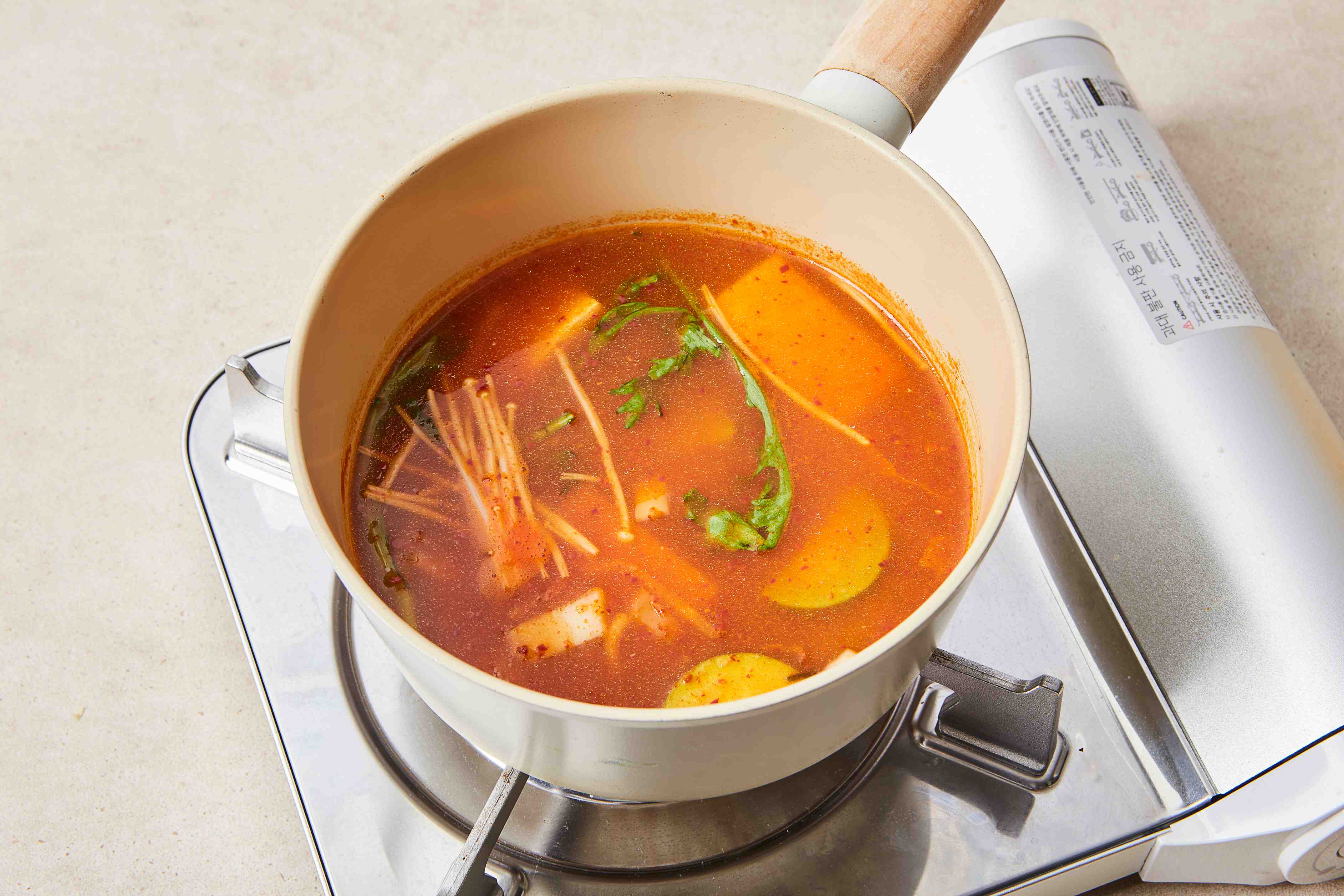
6. **Cook the Stew:** Bring the pot to a boil over medium-high heat. Once boiling, reduce the heat to medium and simmer for 5-7 minutes, allowing the flavors to meld and the vegetables to cook through. Stir the seasoning paste into the broth.
7. **Finish with Crown Daisy:** Add the sliced Cheongyang chili and the fresh crown daisy (ssukgat) to the pot in the last 1-2 minutes of cooking. Cook until the crown daisy is just wilted, preserving its fresh aroma and vibrant color.
8. **Serve Hot:** Ladle the hot (Ssukgat Budae Jjigae) into serving bowls.
### Mom’s Tips for Perfect Stew
* **Fermented Kimchi is Key:** For the best flavor, always use well-fermented, sour kimchi. This adds a crucial depth and tanginess that newer kimchi lacks.
* **Don’t Overcook Ssukgat:** Add the crown daisy at the very end. Its delicate flavor and texture are best when lightly wilted, not boiled into oblivion.
* **Adjust Spice to Your Liking:** The provided 5g Cheongyang chili offers a moderate spice. For less heat, reduce the amount or use a milder chili; for more, add extra gochugaru or chili slices.
### Cultural Significance of Budae Jjigae
Budae Jjigae, including its variant, emerged in South Korea after the Korean War, utilizing surplus ingredients like canned ham and sausages from U.S. army bases. It became a symbol of resilience and culinary innovation, evolving into a beloved comfort food shared among families and friends, especially popular with rice and soju.
### FAQ
**Q: Can I add other ingredients to my ?(Ssukgat Budae Jjigae?)**
A: Absolutely! While this recipe focuses on authenticity based on MFDS data, budae jjigae is very customizable. Common additions include instant ramen noodles, rice cakes (tteok), baked beans, or other sliced vegetables like mushrooms or onions.
**Q: How do I store leftover ?(Ssukgat Budae Jjigae?)**
A: Leftovers can be stored in an airtight container in the refrigerator for up to 2-3 days. Reheat gently on the stovetop, adding a splash of water or broth if it has thickened too much.
📸 Recipe Gallery

“For reference, here’s a recommended video related to “(Ssukgat Budae Jjigae)”.”