Toransundubujjigae Recipe: Everything You Need to Know About This Iconic Korean Dish
🇰🇷 The recipe below is based on official Korean MFDS (Ministry of Food and Drug Safety) data.
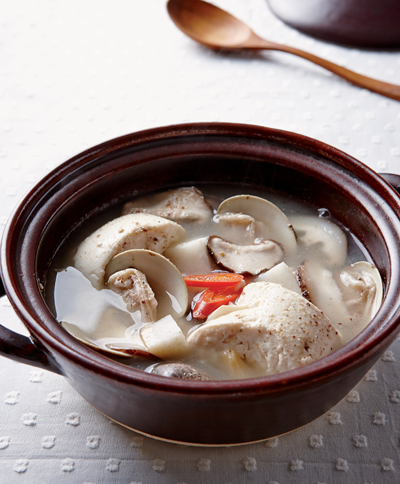
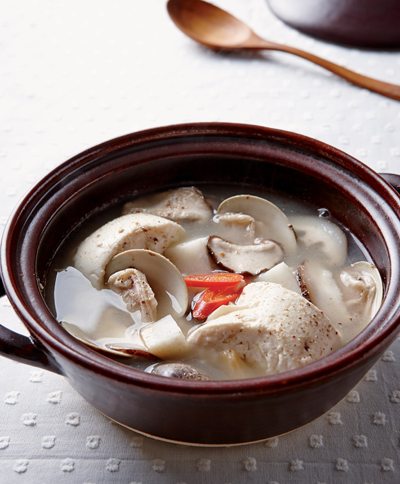
This comprehensive guide to Toran Sundubu Jjigae (Taro Soft Tofu Stew) is based on official MFDS (Ministry of Food and Drug Safety) data, ensuring authenticity and precise ingredient measurements. If you’re looking for an authentic recipe that balances earthy flavors with a comforting warmth, you’ve come to the right place. This beloved Korean dish features tender taro stems and silky soft tofu in a savory broth, often enriched with seafood. Here, we delve into its history, exact ingredients, step-by-step preparation, and nutritional insights. You will learn how to prepare this traditional stew, understand its cultural significance, and master techniques for a delicious result.
## The History of
Toran Sundubu Jjigae, like many traditional Korean stews, has roots in home cooking, evolving from a need to create comforting, nutritious meals from seasonal ingredients. Taro (*toran*) is a staple root vegetable in Asian cuisine, often harvested in autumn. Its unique texture and mild, earthy flavor make it a wonderful addition to stews. Combining it with soft tofu (*sundubu*), a versatile protein source, creates a harmonious and deeply satisfying dish cherished for generations in Korean households. This stew showcases a traditional approach to incorporating seasonal produce into everyday meals.
## Authentic Ingredients for Toran Sundubu Jjigae
To prepare this nourishing Toran Sundubu Jjigae, gather the following precise ingredients, based on MFDS guidelines:
* **Taro Stem :** 40g
* **Shiitake Mushroom :** 20g
* **Red Chili Pepper :** 1g (for color and mild heat)
* **Cheongyang Chili Pepper :** 2g (for a spicy kick)
* **Clams :** 150g (ensure fresh; can substitute with other shellfish or omit for vegetarian)
* **Perilla Seed Powder :** 40g (adds a nutty, earthy depth and thickens the broth)
* **Soft Tofu :** 150g (undrained, its delicate texture is key)
* *Note: While not explicitly listed in the core ingredients from MFDS, a basic anchovy or vegetable broth and seasonings like soy sauce, garlic, and salt are typically used to form the stew base.*
## Step-by-Step Cooking Guide
Follow these numbered steps for a perfectly authentic Toran Sundubu Jjigae:
1. **Prepare Vegetables:** Peel and slice the taro stems into bite-sized pieces. If using fresh taro, boil briefly to remove any acridity, then rinse. Slice shiitake mushrooms thinly. Finely chop both red and Cheongyang chili peppers.
2. **Clean Clams:** Thoroughly rinse clams under cold water. If they are sandy, soak them in salted water for 30 minutes to an hour to encourage them to expel sand, then rinse again.
3. **Build the Broth Base:** In a medium pot, add a prepared broth (e.g., anchovy broth or water). Bring to a simmer. Add the prepared taro stems and shiitake mushrooms. Cook for about 5-7 minutes until the taro begins to soften.
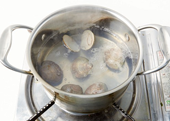
4. **Add Seafood and Seasoning:** Introduce the cleaned clams to the pot. Allow them to cook until they fully open, indicating they are ready. Discard any clams that do not open. Season the broth to taste with basic Korean seasonings like a dash of soy sauce, minced garlic, and salt, keeping it mild to let the ingredients shine.
5. **Incorporate Tofu and Perilla Powder:** Gently scoop the soft tofu into the pot using a large spoon, breaking it into desired chunks. Stir in the perilla seed powder, mixing well to ensure it dissolves and evenly thickens the stew.
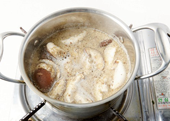
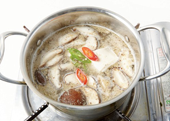
6. **Final Simmer and Garnish:** Add the chopped red and Cheongyang chili peppers. Simmer for another 2-3 minutes to allow the flavors to meld. Taste and adjust seasoning as needed. Serve hot.
## Nutrition Information
Based on official MFDS data, a single serving of this provides:
* **Calories:** 312.7 kcal
*Please note: Other detailed nutritional values (protein, fat, carbohydrates) were not provided within this specific MFDS data set.*
## Expert Cooking Tips
1. **Mom’s Tip: Taming the Taro:** Fresh taro stems can sometimes cause an itchy sensation if not properly handled. Briefly boiling them in salted water for 5 minutes and rinsing thoroughly before adding to the stew will neutralize this effect and ensure a smooth, pleasant texture.
2. **Broth is Key:** While not explicitly listed, the quality of your broth profoundly impacts the stew’s depth. A homemade anchovy-kelp broth provides a traditional umami base, but a rich vegetable broth works well for a vegetarian version. Don’t skimp on a flavorful liquid!
3. **Gentle Tofu Handling:** Soft tofu is delicate. When adding it, use a large spoon or ladle to scoop it in rather than cutting it in the pot. This preserves its silky texture, preventing it from breaking down too much during simmering.
## Cultural and Regional Significance
Toran Sundubu Jjigae is particularly popular during the autumn months when taro is in season. It embodies the Korean philosophy of using fresh, local ingredients to create comforting and restorative dishes. While sundubu jjigae is widely enjoyed across Korea, the addition of taro stems gives this version a distinct, regional flavor profile that evokes the warmth of a traditional Korean home.
## FAQ
**Q1: Can I make this Toran Sundubu Jjigae vegetarian?**
A1: Absolutely. Simply omit the clams and ensure your broth is vegetable-based. You can add extra mushrooms or other vegetables for more texture and flavor.
**Q2: What is the best way to serve ?**
A2: Serve it piping hot directly from the pot or in a traditional *tteokbaegi* (earthenware bowl) with a bowl of freshly cooked rice and various *banchan* (side dishes) like kimchi or seasoned vegetables.
📸 Recipe Gallery
📺 For reference, here’s a recommended YouTube video related to “”.
📹 Video sourced via YouTube. All rights belong to the respective creator.