The Complete Guide to Authentic Ojingeogui: A Korean Kitchen Masterclass
🇰🇷 The recipe below is based on official Korean MFDS (Ministry of Food and Drug Safety) data.
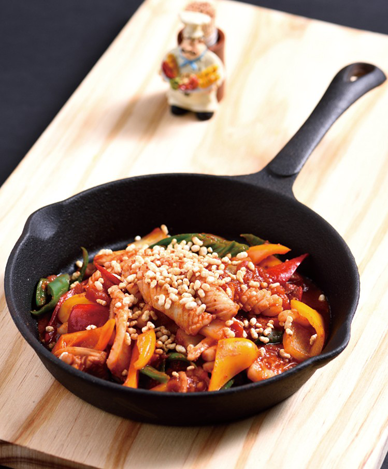
This guide is based on official MFDS (Ministry of Food and Drug Safety) data, ensuring a reliable and authentic approach to Korean cuisine. If you’re looking for an authentic recipe or want to learn how to make , you’ve come to the right place. (Ojing-eo Gui, Grilled Squid) is a beloved Korean dish featuring tender squid marinated in a vibrant, spicy, and savory sauce, then grilled or pan-fried to perfection. Its delightful chewiness and complex flavor profile make it a popular choice for meals and snacks alike.
History of
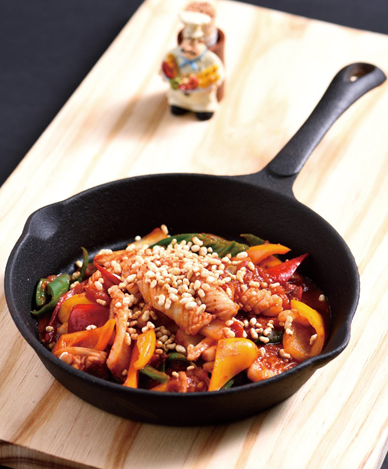
The history of is deeply intertwined with Korea’s coastal culture and its abundance of fresh seafood. Squid has been a staple in the Korean diet for centuries, appreciated for its versatility and unique texture. Traditional methods often involved charcoal grilling, imparting a smoky depth to the dish. Over time, the spicy red pepper paste (gochujang) and chili powder (gochugaru) became central to the marinade, evolving into the iconic spicy grilled squid known and loved today. This dish exemplifies the Korean culinary tradition of balancing heat, sweetness, and umami.
Authentic Ingredients
Achieving the perfect starts with fresh, quality ingredients. This recipe provides precise measurements for an authentic taste.
Main Ingredients:
* (Squid): 300g (cleaned, body sliced into rings or scored and cut into bite-sized pieces)
* (Mini Bell Peppers): 40g (various colors, sliced)
* (Onion): 50g (sliced)
* (Green Chili): 15g (sliced, for mild heat and color; substitute with jalapeño for a similar kick)
* (Red Chili): 15g (sliced, for heat and color; substitute with serrano pepper)
Spicy Marinade :
* (Minced Garlic): 15g
* (Korean Chili Powder/Gochugaru): 15g
* (Whole Peeled Tomatoes): 50g (crushed or finely chopped; adds a slight tang and depth)
* (Korean Chili Paste/Gochujang): 15g
* (Sugar): 15g
* (Oligosaccharide Syrup): 15g (or corn syrup/honey for sweetness and glaze)
* (Black Pepper): 1g
* (Sesame Oil): 15g
Garnish :
* (Roasted Brown Rice): 15g (for texture and nutty flavor; can substitute with toasted sesame seeds)
Step-by-Step Cooking Guide
Follow these steps to create a flavorful at home.
1. **Prepare the Squid:** Thoroughly clean the squid, removing the innards, beak, and clear backbone. Pat dry. Slice the body into rings or score it lightly in a crosshatch pattern before cutting into 5cm pieces.
2. **Make the Marinade:** In a bowl, combine all ingredients: minced garlic, gochugaru, crushed whole peeled tomatoes, gochujang, sugar, oligosaccharide syrup, black pepper, and sesame oil. Mix well until a smooth paste forms.
3. **Marinate:** Add the prepared squid to the marinade, ensuring each piece is fully coated. For optimal flavor, marinate for at least 30 minutes, or up to 2 hours in the refrigerator.
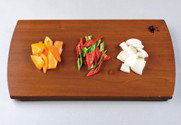
4. **Prepare Vegetables:** While the squid marinates, slice the mini bell peppers, onion, green chili, and red chili.
5. **Cook:** Heat a large non-stick pan or grill over medium-high heat. Add a tablespoon of cooking oil. Once hot, add the marinated squid and cook for 2-3 minutes until it starts to curl and turn opaque.
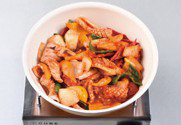
6. **Add Vegetables:** Introduce the sliced bell peppers, onion, green chili, and red chili to the pan. Sauté for another 2-3 minutes, stirring constantly, until the vegetables are slightly softened but still retain a bite, and the squid is fully cooked through. Overcooking squid can make it rubbery.
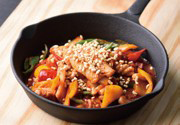
7. **Serve:** Transfer the to a serving platter. Garnish generously with roasted brown rice.
Nutrition Information (Per Serving)
Based on official MFDS data, this recipe provides the following nutritional breakdown:
* **Calories:** 278.1 kcal
* **Protein:** 34.01 g
* **Fat:** 8.24 g
* **Carbohydrates:** 16.35 g
* **Sodium:** 651.98 mg
This dish is a good source of protein and relatively low in fat, making it a satisfying and flavorful option.
Cultural Aspects and Regional Variations
is a versatile dish enjoyed across South Korea. While the core spicy-sweet profile remains, regional variations often incorporate local specialties. Coastal towns might emphasize the freshness of the squid, sometimes grilling it whole. In other areas, additional seafood like shrimp or mussels might be added, or vegetables like cabbage and carrots could find their way into the stir-fry. It’s a common feature in (pojangmacha, street food tents) and casual dining, often paired with a cold beer or soju.
Mom’s Tips for Perfect
* **Don’t Overcook the Squid:** Squid cooks very quickly, typically in 3-5 minutes. Overcooking will result in a tough, rubbery texture. Watch for it to turn opaque and curl slightly.
* **Scoring the Squid:** If you’re using larger squid pieces, scoring them in a crosshatch pattern not only helps the marinade penetrate better but also creates a beautiful visual effect as the squid curls when cooked.
* **High Heat is Key:** Cook the squid over medium-high to high heat. This ensures a quick sear and prevents the squid from releasing too much water, which can make the dish watery rather than perfectly grilled.
Frequently Asked Questions
**Q: Can I use frozen squid for ?**
A: Yes, frozen squid works perfectly. Ensure it is fully thawed and thoroughly patted dry before marinating to prevent excess water from diluting the sauce during cooking.
**Q: What can I serve with ?**
A: pairs wonderfully with a bowl of steamed white rice, allowing the rice to soak up the flavorful sauce. It’s also excellent with various banchan (side dishes) like kimchi, pickled radishes, or a simple fresh salad.
📸 Recipe Gallery
📺 For reference, here’s a recommended YouTube video related to “”.
📹 Video sourced via YouTube. All rights belong to the respective creator.