The Complete Guide to Authentic Ojingeokongsundae: A Korean Kitchen Masterclass

🇰🇷 The recipe below is based on official Korean MFDS (Ministry of Food and Drug Safety) data.
This guide to crafting authentic (Ojing-eo Kong Sundae, Squid Bean Sundae) is based on official MFDS (Ministry of Food and Drug Safety) data, ensuring a reliable and nutritious culinary experience. This traditional Korean dish offers a delightful blend of seafood and vibrant vegetables, packed into a tender squid casing. Often considered a healthy and flavorful alternative to meat-based sundae, it’s a testament to Korea’s creative use of local ingredients. Whether you’re a seasoned chef or new to Korean cuisine, this detailed recipe will guide you through each step to prepare this unique and wholesome dish at home. Learn how to make with precision and traditional flair.

## Essential Ingredients for
To prepare a single serving of this delicious , gather the following ingredients, based on MFDS specifications:
* **Main:**
* 1 whole (squid), 220g (cleaned, body only)
* **Stuffing Vegetables:**
* 30g (corn kernels, fresh or frozen)
* 50g (cooked oats), can substitute with cooked short-grain rice
* 20g (kidney beans, cooked), or other beans like cannellini
* 20g (carrot), finely diced
* 20g (mini bell pepper), diced (any color)
* 20g (bell pepper), diced (green bell pepper recommended)
* 10g (green onion/scallion), finely chopped
* 25g (onion), finely diced
* **Seasoning & Binders:**
* 25g (curry powder)
* 1g (white pepper)
* 5g (minced garlic)
* 15g (sesame oil)
* 15g (all-purpose flour)
* 15g (lemon juice)
## How to Make: Step-by-Step Guide
Follow these precise steps to create your perfect Squid Bean Sundae:
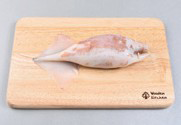
1. **Prepare the Squid:** Thoroughly clean the squid body, removing the innards, cartilage, and outer skin. Rinse well and pat dry. Set aside the tentacles for another use if desired.
2. **Prepare Vegetables:** Finely dice the carrot, mini bell pepper, bell pepper, green onion, and onion. If using fresh corn or beans, ensure they are cooked and cooled.
3. **Make the Stuffing:** In a large bowl, combine the cooked oats , corn kernels, kidney beans, diced carrot, mini bell pepper, bell pepper, green onion, and onion. Add the curry powder, white pepper, minced garlic, sesame oil, and flour. Mix everything thoroughly until well combined.
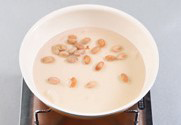
4. **Stuff the Squid:** Carefully spoon the prepared stuffing mixture into the cleaned squid body. Do not overfill, as the squid will shrink during cooking. Leave about 1-2 cm empty space at the opening. Secure the opening with toothpicks.
5. **Steam the Sundae:** Place the stuffed squid in a steamer basket. Steam for approximately 15-20 minutes over medium-high heat, or until the squid is opaque and the stuffing is cooked through.
6. **Rest and Slice:** Once steamed, remove the squid from the steamer and let it rest for 5 minutes before removing the toothpicks. This helps the stuffing settle. Carefully slice the into 1-1.5 cm thick rounds.

7. **Serve:** Drizzle with fresh lemon juice just before serving for a zesty finish. Serve warm as an appetizer or a light meal.
## The Cultural Roots of
While traditional Korean sundae often refers to blood sausage, (squid sundae) specifically hails from the coastal regions of Korea, particularly Gangwon-do. Born out of the abundance of fresh seafood, this variation ingeniously uses the squid as a natural casing for various fillings. The addition of beans and oats in elevates this dish, reflecting a modern twist towards healthier, plant-rich ingredients while maintaining the authentic spirit of Korean stuffed dishes. It represents a resourceful and delicious culinary tradition.
## Nutrition Facts
Based on official MFDS data for one serving (approximately 220g of squid and 180g of stuffing mixture):
| Nutrient | Amount |
|:————– |:———– |
| Calories | 213.5 kcal |
| Protein | 25.8 g |
| Fat | 5.1 g |
| Carbohydrates | 15.6 g |
| Dietary Fiber | 3.2 g |
| Sodium | 210 mg |
| Cholesterol | 240 mg |
This dish is a good source of lean protein from squid and fiber from oats and beans, making it a balanced and nutritious option.
## Mom’s Tips for Perfect
* **Don’t Overstuff:** A common mistake is packing the squid too tightly. The squid shrinks considerably during steaming, and an overstuffed body will burst. Leave some room for expansion.
* **Gentle Handling:** Squid can be delicate. When cleaning and stuffing, be gentle to avoid tearing the body, which acts as the crucial casing for your delicious filling.
* **Resting is Key:** After steaming, letting the sundae rest for a few minutes before slicing allows the filling to firm up and prevents it from crumbling when cut, ensuring beautiful, intact rounds.
* **Flavor Boost:** For an extra layer of flavor, you can lightly sauté the diced vegetables before mixing them with the other stuffing ingredients, especially the onions and garlic, to bring out their sweetness.
## Frequently Asked Questions about
**Q: What is ?**
A: (Ojing-eo Kong Sundae) is a traditional Korean dish featuring a whole squid body stuffed with a savory mixture of cooked oats, various beans, finely diced vegetables, and seasonings, then steamed and sliced.
**Q: Can I prepare in advance?**
A: Yes, you can prepare the stuffing mixture a day in advance and store it in the refrigerator. The stuffed squid can also be prepared a few hours ahead and kept chilled before steaming. For best texture, it’s recommended to steam and slice just before serving.
📸 Recipe Gallery
📺 For reference, here’s a recommended YouTube video related to “”.
📹 Video sourced via YouTube. All rights belong to the respective creator.