Why Manggojamongdeuresing Haesanmuljeonche Is Korea’s Soul Food: Full Recipe, Nutrition & Cultural History
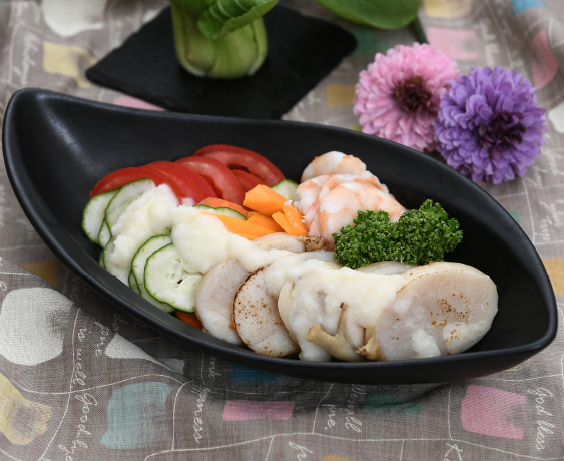
🇰🇷 The recipe below is based on official Korean MFDS (Ministry of Food and Drug Safety) data.
This guide is based on official MFDS (Ministry of Food and Drug Safety) data, ensuring an authentic and nutritious approach to a delightful Korean dish. Learn how to make Manggojamongdeuresing Haesanmuljeonche (Mango Grapefruit Dressing Seafood Appetizer), a vibrant and refreshing starter perfect for any occasion. This recipe provides clear, step-by-step instructions to create a balanced blend of succulent seafood and a zesty, sweet fruit dressing, offering a glimpse into sophisticated Korean home cooking.
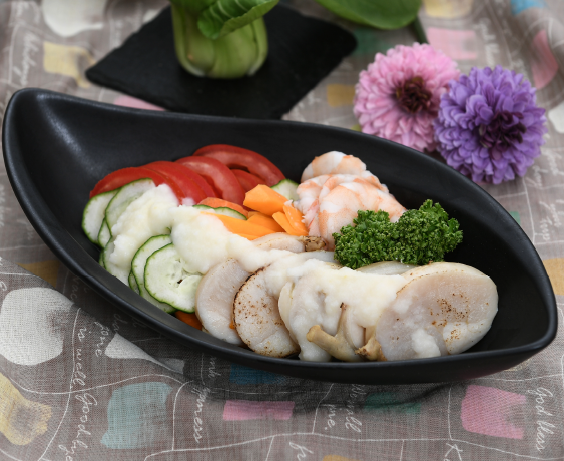
## Ingredients for Manggojamongdeuresing Haesanmuljeonche
This light and flavorful appetizer uses fresh, high-quality ingredients.
**For the Salad:**
* Scallops (Gwanja): 2 large pieces (about 80g), sea scallops preferred
* Shrimp (Saewu): 4 large, peeled and deveined (about 100g)
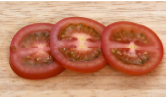
* Cherry Tomatoes (Bangul Tomato): 2 pieces, halved
* Parsley (Paseulli): 5g, finely chopped, for garnish
* Carrot (Danggeun): 30g, julienned or thinly sliced
* Cucumber (Oi): 50g, julienned or thinly sliced
* Kabocha Squash (Dan Hobak): 1/4 piece (about 150g), peeled and diced
* Broccoli (Beurokoli): 30g, small florets
* Potato (Gamja): 50g, peeled and diced
**For the Mango Grapefruit Dressing (Manggojamongdeuresing):**
* Mango (Manggo): 1/2 piece (about 100g), ripe, peeled and pitted
* Grapefruit (Jamong): 1/2 piece (about 100g), peeled, segmented, and seeds removed
* Lemon (Lemon): 1/4 piece, juiced (about 15ml)
* Fresh Cream (Saengkeurim): 50g
* Sugar (Seoltang): 10g
* Salt (Sogeum): 0.1g
## Nutrition Facts
Based on MFDS data, one serving of Manggojamongdeuresing Haesanmuljeonche provides:
* Calories: 163.5 kcal
* Carbohydrates: 20.9g
* Protein: 10.6g
* Fat: 4.5g
* Sodium: 103.4mg
## How to Make Manggojamongdeuresing Haesanmuljeonche
Creating this elegant appetizer involves a few simple steps, focusing on freshness and flavor.
1. **Prepare Vegetables:**
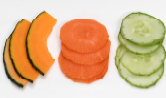
* Dice the Kabocha squash and potato into 1 cm cubes. Blanch them in boiling water for 3-5 minutes until tender-crisp. Drain and cool.
* Blanch broccoli florets for 2-3 minutes until bright green. Immediately transfer to an ice bath to stop cooking and preserve color.
* Slice carrots and cucumbers thinly or julienne. Halve the cherry tomatoes.
2. **Cook Seafood:**
* Pat scallops and shrimp dry. Lightly season with a pinch of salt.
* Heat a non-stick pan over medium-high heat with a tiny amount of oil.
* Sear scallops for 1-2 minutes per side until golden brown and cooked through but still tender.
* Cook shrimp for 1-2 minutes per side until pink and opaque. Avoid overcooking.
3. **Make the Dressing:**
* In a blender, combine the mango flesh, grapefruit segments, fresh cream, lemon juice, sugar, and salt.
* Blend until completely smooth and creamy. Taste and adjust sweetness or tartness if needed.
4. **Assemble the Appetizer:**
* In a large bowl, gently combine the cooked scallops, shrimp, blanched Kabocha squash, potato, broccoli, carrots, cucumbers, and cherry tomatoes.
* Pour the mango grapefruit dressing over the mixed ingredients. Toss gently to coat everything evenly.
5. **Serve:**
* Arrange the dressed seafood and vegetables attractively on individual serving plates.
* Garnish with a sprinkle of freshly chopped parsley. Serve immediately as a refreshing appetizer.
## Mom’s Tips for a Perfect Appetizer
* **Seafood Freshness is Key:** Always use the freshest scallops and shrimp you can find. Their natural sweetness is crucial. Don’t overcook them; a quick sear ensures they remain tender and juicy.
* **Dressing Balance:** For a perfect Manggojamongdeuresing, ensure your mango is ripe for sweetness, and balance it with the grapefruit’s tang and lemon juice. A quick taste test before assembly is essential.
* **Chilling for Flavor:** While best served fresh, chilling the assembled salad for 15-20 minutes before serving can help the flavors meld beautifully, especially on a warm day.
## Cultural and Regional Significance
Manggojamongdeuresing Haesanmuljeonche represents a modern, light, and healthy facet of Korean cuisine, often enjoyed as a sophisticated appetizer (Jeonche) at home or in contemporary restaurants. While traditional Korean dishes are often hearty and savory, there’s a growing appreciation for vibrant, fresh, and fruit-forward combinations that offer a refreshing palate cleanser, especially with the global influence on Korean food. It showcases the versatility of Korean culinary traditions, adapting seasonal fruits and fresh seafood into an elegant, balanced dish.
## FAQ
**Q: Can I use frozen seafood for this recipe?**
A: Yes, you can use frozen scallops and shrimp. Ensure they are fully thawed and patted very dry before cooking to prevent excess water from affecting texture.
**Q: How far in advance can I make the dressing?**
A: The Mango Grapefruit Dressing can be prepared up to 1 day in advance and stored in an airtight container in the refrigerator. Stir well before using.
📸 Recipe Gallery
📺 For reference, here’s a recommended YouTube video related to “망고자몽드레싱 해산물전체”.
📹 Video sourced via YouTube. All rights belong to the respective creator.