The Complete Guide to Authentic Subakbibimguksuwa Subakgochujangsoseu: A Korean Kitchen Masterclass
🇰🇷 The recipe below is based on official Korean MFDS (Ministry of Food and Drug Safety) data.
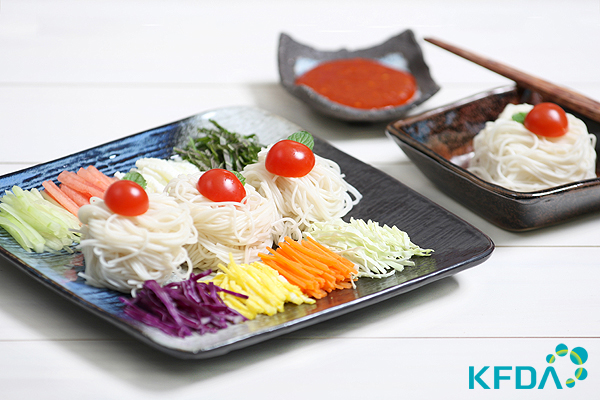
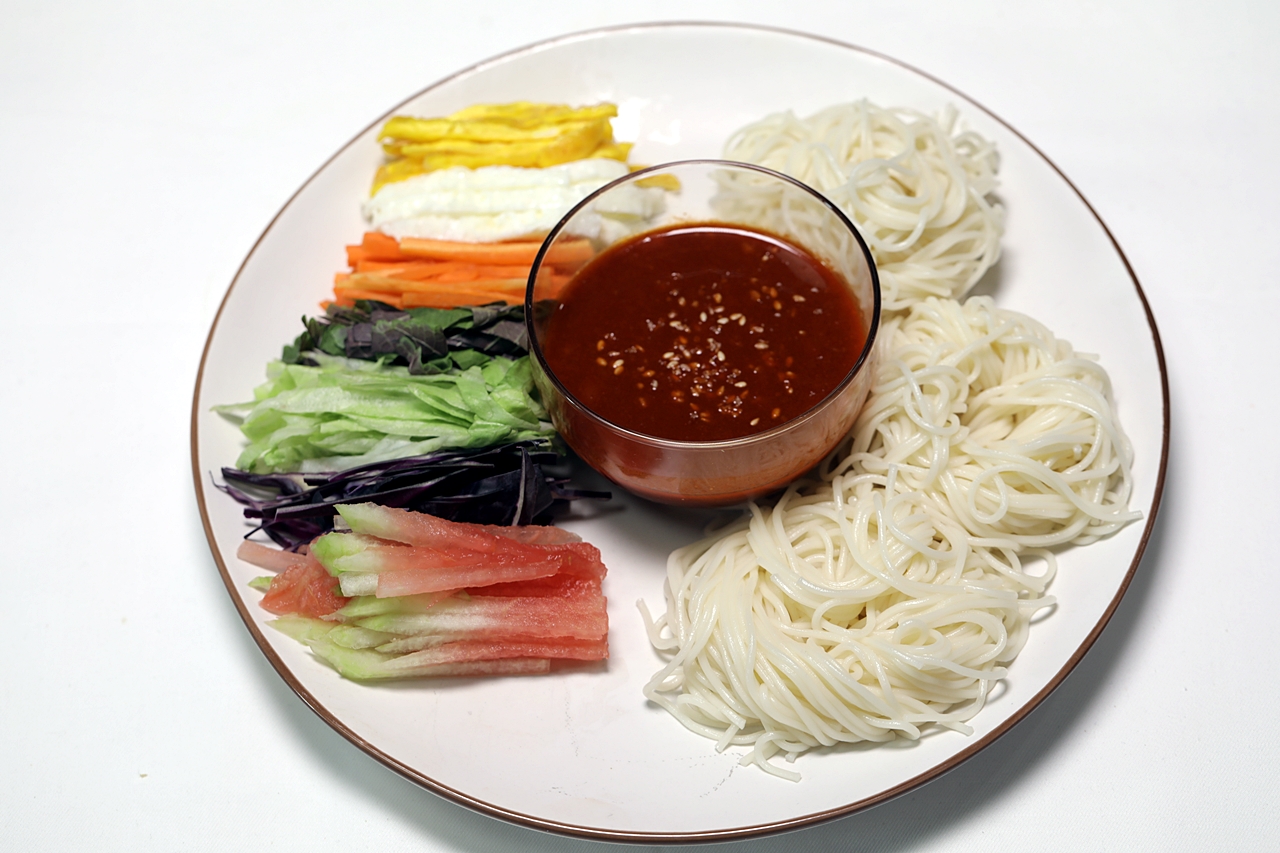
Subakbibimguksuwa Subakgochujangsoseu (Watermelon Mixed Noodles with Watermelon Gochujang Sauce) is a uniquely refreshing Korean dish, traditionally celebrated for its cooling qualities and vibrant flavors during warmer months. This guide, meticulously crafted based on official MFDS (Ministry of Food and Drug Safety) data, delves into a distinctive rendition of this beloved summer classic. Our exploration focuses on a specialized version that, alongside the expected elements of watermelon and spicy gochujang-dressed noodles, incorporates a savory, umami-rich broth component, making for a truly intriguing culinary experience. Learn how to prepare this authentic Subakbibimguksuwa Subakgochujangsoseu recipe, offering a surprising depth to its fresh profile.
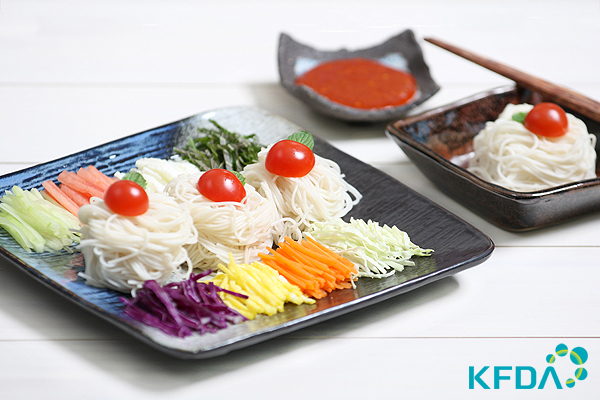
What is Subakbibimguksuwa Subakgochujangsoseu? It is a Korean dish combining various elements to create a harmonious balance of sweet, spicy, and savory flavors, often enjoyed chilled.
## Nutrition Information
This nutrition data is based on official MFDS data for one serving.
| Nutrient | Amount |
| :————- | :———- |
| Calories | 468.7 kcal |
## A Glimpse into History
Korean noodle dishes, or guksu, have a rich history, evolving over centuries to become a staple in Korean cuisine. Bibim guksu, particularly, is a long-standing favorite for its refreshing and customizable nature. While watermelon might seem an unconventional addition to a savory noodle dish, its inclusion highlights the Korean culinary tradition of balancing flavors and temperatures, especially during hot summers. This specific rendition, integrating savory marsh snails and soybean paste, represents a unique regional or specialized approach, perhaps offering a more complex flavor profile beyond simple sweetness and spice, bridging the gap between a refreshing noodle dish and a hearty, health-focused broth.
## Essential Ingredients
This recipe highlights a unique savory component to be combined with the core Subakbibimguksu elements.
**For the Savory Broth Component (MFDS-referenced amounts):**
* Daseulgisal (Marsh Snail Meat): 20g
* Hobakip (Pumpkin Leaves): 20g
* Buchu (Korean Chives): 15g
* Dalgyal (Egg): 15g (about 1/4 large egg, likely for garnish or slight thickening)
* Mul (Water): 300g
* Doenjang (Soybean Paste): 8g
* Gungmyeolchi (Soup Anchovies): 5g (dried)
* Geondasima (Dried Kelp): 2.5g
* Pa (Green Onion): 5g
* Dajin Maneul (Minced Garlic): 5g
**For the Primary Subakbibimguksu Elements (standard additions):**
* Somen or Wheat Noodles: 100-120g (per serving)
* Watermelon: Diced, 1 cup
* Gochujang Soseu (Gochujang Sauce): (typically includes gochujang, vinegar, sugar, garlic, sesame oil – prepare separately)
## Mom’s Tips for Perfection
* **Broth Depth:** For a richer savory component, gently simmer the anchovies and kelp for at least 15-20 minutes before adding doenjang. This extracts maximum umami. Remove them before adding other ingredients for a clear broth.
* **Snail Preparation:** Ensure daseulgisal (marsh snail meat) is thoroughly cleaned and blanched if necessary, to remove any impurities and ensure tenderness. Quickly re-rinse with cold water after blanching to maintain texture.
* **Watermelon Chill:** Always serve the watermelon and noodles well-chilled. The contrast of the cold, sweet watermelon with the savory broth and spicy sauce is key to this dish’s unique appeal.
## Step-by-Step Cooking Guide
Here’s how to create this intricate Subakbibimguksuwa Subakgochujangsoseu:
1. **Prepare the Broth Base:**
* In a pot, combine 300g water with 5g gungmyeolchi and 2.5g geondasima. Bring to a boil, then reduce heat and simmer for 15 minutes.
* Remove anchovies and kelp. Stir in 8g doenjang until fully dissolved. Set aside to cool.
2. **Cook Savory Ingredients:**
* Add 20g daseulgisal, 5g pa, and 5g dajin maneul to the doenjang broth. Simmer for 5-7 minutes until the snails are cooked through.
* Stir in 20g hobakip and 15g buchu, cooking for just 1-2 minutes until tender.
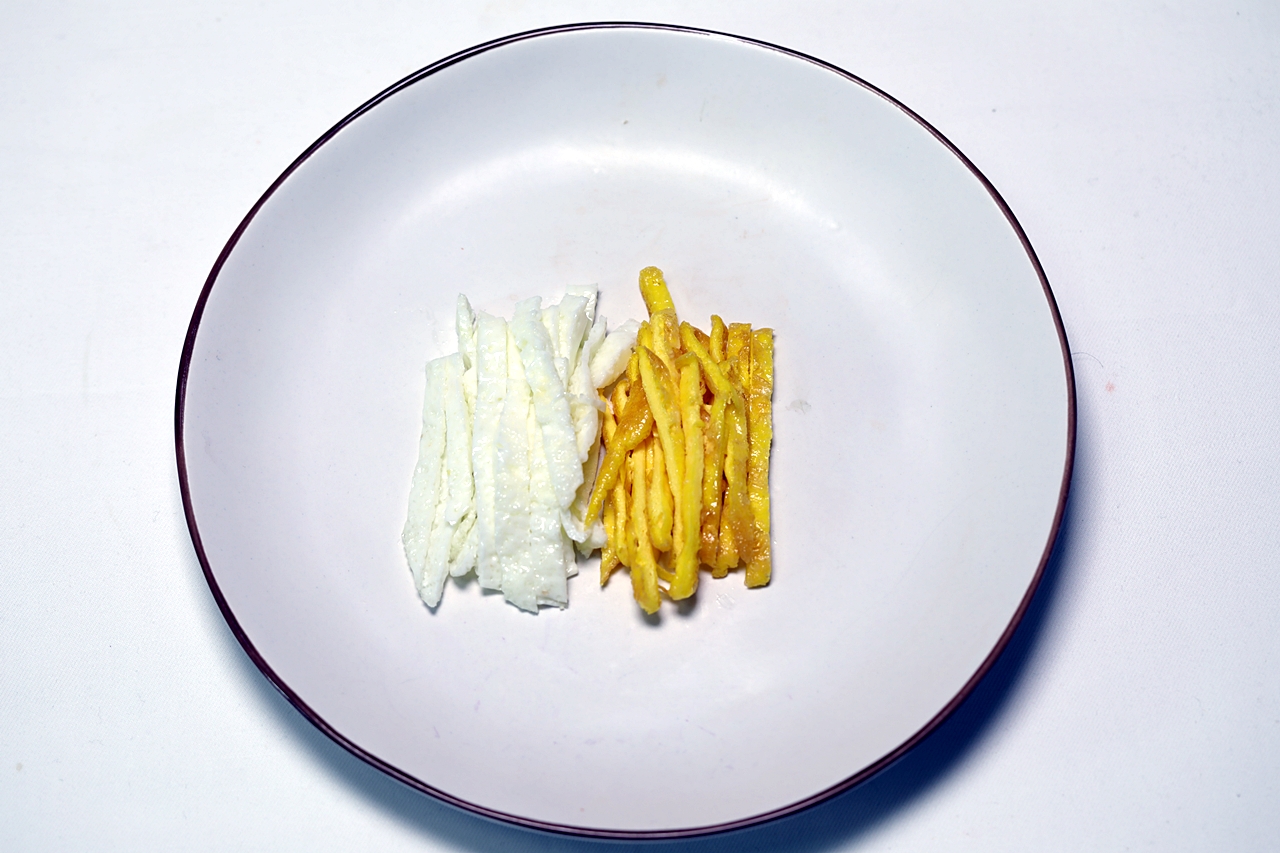
* Lightly beat 15g dalgyal and slowly drizzle into the simmering broth, stirring gently to create egg strands. Remove from heat and chill the savory broth component thoroughly.
3. **Prepare Noodles and Watermelon:**
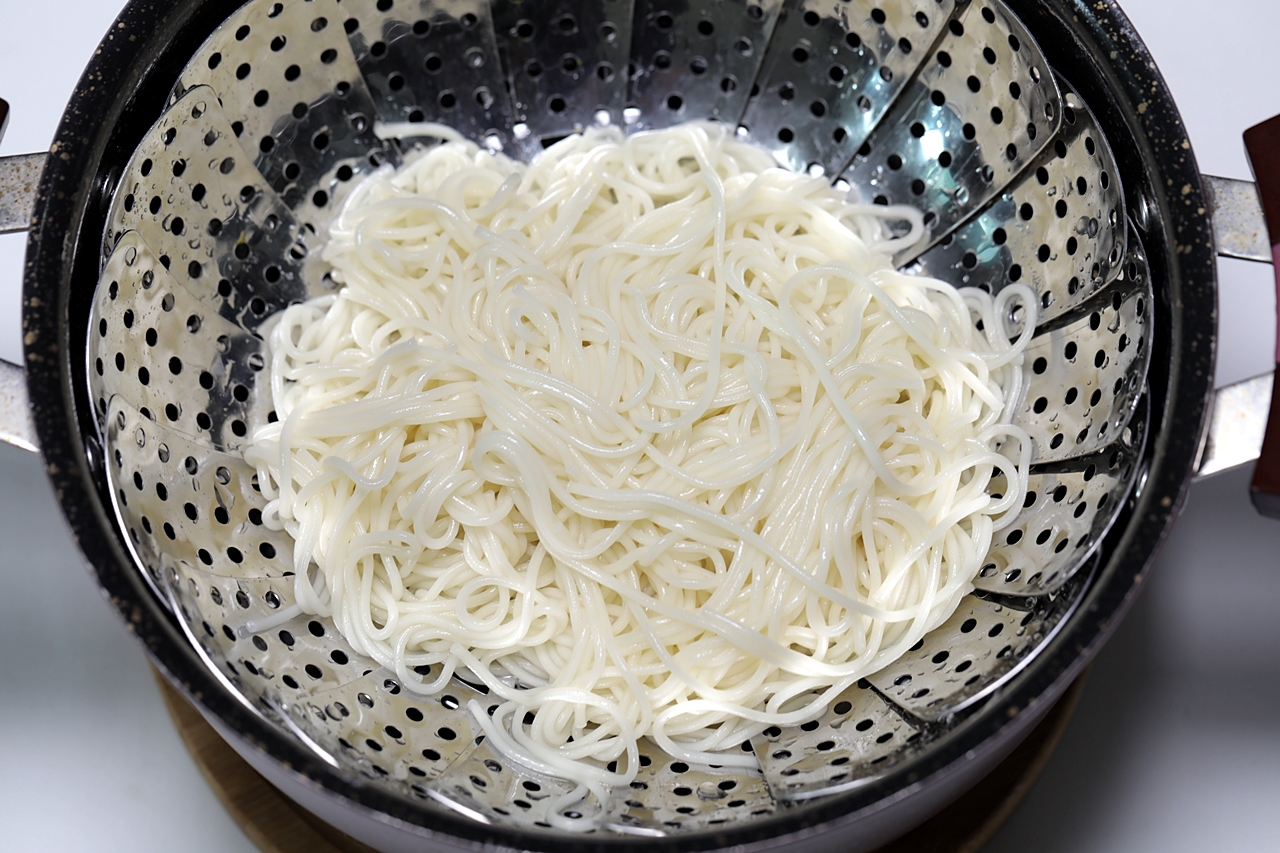
* Cook 100-120g somen or wheat noodles according to package instructions until al dente. Drain immediately, rinse thoroughly with cold water, and drain again. Keep chilled.
* Dice watermelon into bite-sized pieces.
4. **Assemble the Dish:**
* In a large serving bowl, place the chilled noodles. Top with diced watermelon.
* Pour the chilled savory broth component (with marsh snails, pumpkin leaves, chives, and egg) over the noodles and watermelon.
* Add a generous dollop of your prepared gochujang sauce (a typical recipe: 2 tbsp gochujang, 1 tbsp sugar, 1 tbsp vinegar, 1 tsp minced garlic, 1 tsp sesame oil).
* Garnish with extra buchu or a sprinkle of toasted sesame seeds if desired.
5. **Serve:**
* Mix all ingredients well before eating. Enjoy immediately for the best flavor and texture.
## Cultural and Regional Context
Subakbibimguksuwa Subakgochujangsoseu, at its core, embodies the Korean philosophy of *eumyangohaeng* (Yin and Yang, Five Elements) in cooking, balancing hot and cold, spicy and sweet. While the classic version provides pure refreshment, this MFDS-referenced rendition introduces a profound earthiness from the marsh snails and doenjang, elements often associated with regional specialties that highlight local ingredients and unique flavor pairings. This particular recipe suggests a sophisticated evolution, moving beyond a simple summer cooler to a dish with more complex nutritional and sensory dimensions, reflecting a traditional wisdom of integrating diverse components for holistic well-being.
## FAQ
**Q1: Can I make the savory broth component ahead of time?**
A1: Yes, you can prepare the savory broth component up to 1-2 days in advance and store it in the refrigerator. Ensure it’s thoroughly chilled before assembling the dish for optimal taste.
**Q2: What can I substitute for daseulgisal (marsh snail meat) if I can’t find it?**
A2: While daseulgisal provides a unique flavor, if unavailable, you could substitute with small clams or mussels for a similar oceanic umami, or omit for a vegetarian version focusing on the doenjang and vegetable broth.
📸 Recipe Gallery
📺 For reference, here’s a recommended YouTube video related to “수박비빔국수와 수박고추장소스”.
📹 Video sourced via YouTube. All rights belong to the respective creator.