Sukjuramyeon Recipe: Everything You Need to Know About This Iconic Korean Dish
🇰🇷 The recipe below is based on official Korean MFDS (Ministry of Food and Drug Safety) data.
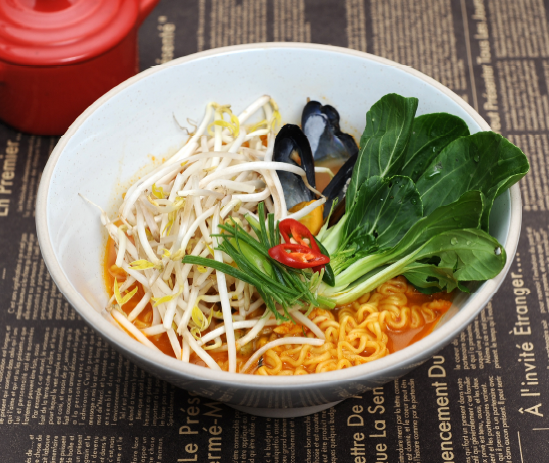
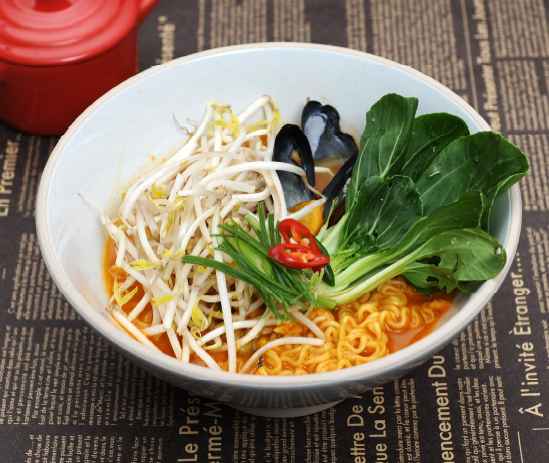
This guide is based on official MFDS (Ministry of Food and Drug Safety) data, ensuring a reliable and balanced approach to preparing this dish. Sukjuramyeon (Bean Sprout Ramen) offers a delightful balance of flavor and nutrition. What is Sukjuramyeon? It’s a popular Korean ramen dish enriched with fresh bean sprouts, seafood, and vegetables, providing a refreshing twist on instant ramen. This comprehensive guide will show you how to make an authentic Sukjuramyeon recipe, bringing vibrant Korean flavors and textures to your kitchen.
## Nutrition Facts (per serving)
Based on MFDS data, a single serving of Sukjuramyeon provides:
* Calories: 342.8 kcal
* Carbohydrates: 52.5 g
* Protein: 16.3 g
* Fat: 9.8 g
* Sodium: 1580 mg
## The History of Sukjuramyeon
Ramen, or Ramyun, arrived in Korea post-war and quickly became a staple for its affordability and convenience. While instant ramen offered a quick meal, Korean home cooks naturally began enhancing it with fresh ingredients available seasonally. Adding Sukju (bean sprouts), seafood like Honghap (mussels), and various vegetables became a popular way to transform a simple packet into a more wholesome and flavorful meal. Sukjuramyeon embodies this culinary tradition of elevating convenience food into a nutritious and satisfying dish, reflecting Korean resourcefulness and love for fresh produce.
## Essential Ingredients for Sukjuramyeon
To make authentic Sukjuramyeon, gather these fresh and pantry items:
### For the Broth (Yuksu):
* Anchovies (Myeolchi): 20g (dried, for deep umami)
* Dried shrimp (Geonsaewu): 10g
* Radish (Mu): 20g, thinly sliced
* Onion (Yangpa): 20g, quartered
* Garlic (Maneul): 10g, crushed
* Water: 700ml
### For the Ramen:
* Ramen noodles (Ramyun): 100g (one standard packet)
* Mussels (Honghap): 20g, cleaned
* Bean sprouts (Sukju): 50g
* Bok choy (Cheonggyeongchae): 20g, separated
* Green chili (Cheonggochu): 5g, sliced (or jalapeño for less heat)
* Red chili (Honggochu): 5g, sliced (or red bell pepper for color)
* Green onion (Daepa): 10g, chopped
* Egg (Dalgyal): 50g (one large egg)
* Gochugaru (Korean chili flakes): 10g (adjust to taste for spice)
* Oyster sauce (Gulsoseu): 10g (for depth of flavor)
## Mom’s Cooking Tips
1. **Broth First, Always:** A flavorful homemade broth is the secret to elevating any ramen. Don’t rush the broth-making process; allow it to simmer gently to extract maximum flavor from the anchovies and dried shrimp. This foundation makes all the difference.
2. **Timing is Key for Sukju:** Bean sprouts cook very quickly. To maintain their crisp, refreshing texture, add them towards the very end of cooking, just a minute or so before serving. Overcooked bean sprouts become mushy and lose their appeal.
3. **Adjust Spice to Your Palate:** The Gochugaru and fresh chilies provide a significant kick. If you’re sensitive to spice, start with half the recommended amount and add more gradually. You can also deseed the chilies to reduce heat.
## How to Make Sukjuramyeon
Follow these steps for a delicious bowl of Sukjuramyeon:
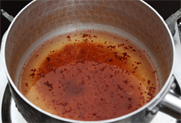
1. **Prepare the Broth:** In a pot, combine 700ml water with anchovies (Myeolchi), dried shrimp (Geonsaewu), radish (Mu), onion (Yangpa), and garlic (Maneul). Bring to a boil, then reduce heat and simmer for 15 minutes. Strain the broth and set aside. This yields about 600ml of rich stock.
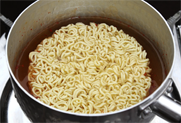
2. **Cook Ramen Base:** Bring the strained broth back to a boil. Add the ramen noodles (Ramyun) and cook for 2 minutes less than the package directions. Add Gochugaru and oyster sauce (Gulsoseu).
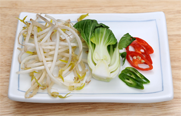
3. **Add Seafood and Vegetables:** Introduce the mussels (Honghap), bok choy (Cheonggyeongchae), green chili (Cheonggochu), and red chili (Honggochu) to the pot. Cook for another 2-3 minutes, until mussels open and vegetables are tender-crisp.
4. **Finish with Egg and Sprouts:** Stir in the bean sprouts (Sukju) and green onion (Daepa). Crack the egg (Dalgyal) directly into the ramen, allowing it to poach gently for 1 minute or until the whites are set but the yolk is still runny. Do not stir the egg immediately.
5. **Serve Immediately:** Ladle the hot Sukjuramyeon into a bowl. Garnish with a sprinkle of fresh green onion if desired. Enjoy your homemade, vibrant Korean ramen.
## Frequently Asked Questions
**Q: Can I use instant ramen seasoning packets?**
A: While this recipe emphasizes fresh ingredients and a homemade broth for superior flavor, you can use a portion of your instant ramen’s seasoning packet along with the oyster sauce and Gochugaru if you prefer a more familiar instant ramen taste profile. Adjust saltiness accordingly.
**Q: What if I don’t have fresh mussels?**
A: You can substitute mussels with other seafood like shrimp, squid, or even small clams. Adjust cooking time based on the seafood chosen; shrimp will cook very quickly, requiring only a minute or two. Ensure all seafood is cooked through before serving.
📸 Recipe Gallery
📺 For reference, here’s a recommended YouTube video related to “숙주라면”.
📹 Video sourced via YouTube. All rights belong to the respective creator.