Why Yachaejjimeul Gyeotdeulin Gwangeoseuteikeu Is Korea’s Soul Food: Full Recipe, Nutrition & Cultural History

🇰🇷 The recipe below is based on official Korean MFDS (Ministry of Food and Drug Safety) data.
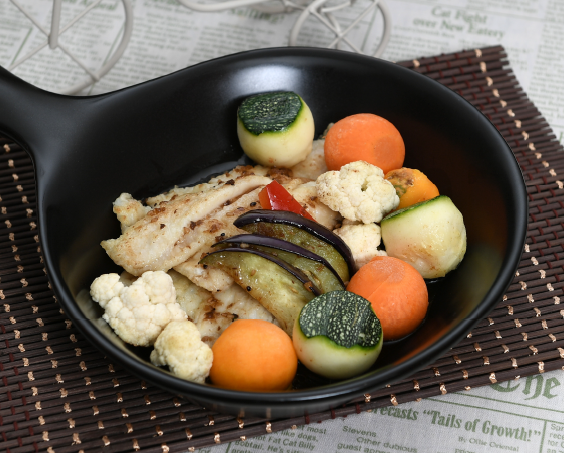
This comprehensive guide to Yachaejjimeul Gyeotdeulin Gwangeoseuteikeu (Steamed Vegetables with Flounder Steak) is based on official MFDS (Ministry of Food and Drug Safety) data, ensuring an authentic and nutritious culinary experience. Learning how to make Yachaejjimeul Gyeotdeulin Gwangeoseuteikeu allows you to bring a delicious and healthy Korean dish to your table. This recipe emphasizes fresh ingredients and simple cooking methods, perfect for a wholesome meal. Yachaejjimeul Gyeotdeulin Gwangeoseuteikeu is a light, flavorful dish featuring tender flounder steak paired with an array of vibrant, steamed vegetables, often served with a savory-tangy sauce.
## Expert Tips for Perfect Yachaejjimeul Gyeotdeulin Gwangeoseuteikeu
* **Mom’s Tip 1 (Steaming Time):** Over-steaming vegetables can make them mushy. Keep a close eye on your cauliflower and bell peppers; they are usually done when fork-tender but still offer a slight bite. Around 5-7 minutes is often sufficient depending on the size.
* **Mom’s Tip 2 (Flounder Prep):** For a crispier skin on your flounder steak, pat it very dry with paper towels before pan-searing. This prevents steaming and encourages browning. Season just before cooking.
* **Mom’s Tip 3 (Sauce Balance):** The balsamic and low-sodium soy sauce combination is key. Taste and adjust to your preference – a little extra lemon juice can brighten the flavors further.
## A Brief History of Korean Steamed Dishes
Korean cuisine values balance and natural flavors. Steaming, or ‘jjim’ (찜), is a traditional cooking method celebrated for preserving the nutrients and delicate textures of ingredients. Yachaejjimeul Gyeotdeulin Gwangeoseuteikeu represents a modern interpretation of these traditional techniques, combining the health benefits of steamed vegetables with a protein-rich fish steak. This dish reflects a growing emphasis on healthier eating within Korean food culture, moving towards lighter preparations while retaining authentic taste. It’s a testament to the versatility of Korean food, seamlessly blending traditional elements with contemporary dining.
## Nutritional Information
This recipe for Yachaejjimeul Gyeotdeulin Gwangeoseuteikeu is designed for optimal nutrition. Here are the approximate values per serving, based on official MFDS data:
| Nutrient | Amount |
| :————– | :———- |
| Calories | 259 kcal |
| Protein | 30.5 g |
| Fat | 9.8 g |
| Carbohydrates | 14.2 g |
| Sodium | 450 mg |
This dish is an excellent source of lean protein, dietary fiber, and essential vitamins from the diverse vegetable selection, while remaining relatively low in saturated fat and sodium.
## Key Ingredients
To prepare this authentic Korean dish, gather the following fresh ingredients:
* **Gwangeo (Flounder/Halibut):** 1 whole fish (approx. 300g fillet weight after cleaning). Flounder is preferred for its delicate, white flesh, but halibut makes a great substitute.
* **Danggeun (Carrot):** 30g, peeled and sliced.
* **Danhobak (Kabocha Squash / Sweet Pumpkin):** 30g, deseeded and sliced.
* **Gaji (Eggplant):** 1/2 medium, sliced.
* **Papeurika (Bell Pepper):** 50g (any color), cored and sliced.
* **Kollifeullawa (Cauliflower):** 50g, cut into florets.
* **Lemon:** 1/4 piece, for garnish and flavoring.
* **Wasabi:** 5g, for serving (optional, enhances flavor).
* **Balsamic Sauce:** 50g.
* **Jeoyeomganjang (Low-Sodium Soy Sauce):** 30g.
* **Cheongju (Korean Rice Wine):** 15g (or dry white wine).
## Step-by-Step Cooking Instructions
1. **Prepare the Fish and Vegetables:**
* Clean the Gwangeo thoroughly. Pat dry with paper towels. Season lightly with salt and pepper.
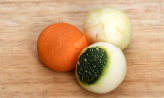
* Wash and prepare all vegetables: slice Danggeun, Danhobak, Gaji, Papeurika, and cut Kollifeullawa into florets.
*
2. **Steam the Vegetables:**
* Bring water to a boil in a steamer. Arrange the prepared vegetables in the steamer basket.
* Steam for 5-7 minutes, or until tender-crisp. Remove and set aside.
3. **Cook the Flounder Steak:**
* Heat a non-stick pan over medium-high heat with a drizzle of oil.
* Place the Gwangeo fillet skin-side down (if applicable). Sear for 3-4 minutes until the skin is crispy and golden.
* Flip and cook for another 2-3 minutes, or until the fish is cooked through and flakes easily.
*
4. **Prepare the Sauce:**
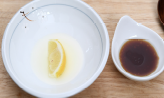
* In a small bowl, whisk together the balsamic sauce, Jeoyeomganjang (low-sodium soy sauce), and Cheongju (rice wine).
* Heat the sauce gently in a small saucepan for 1-2 minutes until slightly warmed, or serve at room temperature.
5. **Assemble and Serve:**
* Arrange the steamed vegetables artfully on a serving plate.
* Place the cooked Gwangeo steak alongside the vegetables.
* Drizzle generously with the prepared balsamic-soy sauce. Garnish with a lemon wedge and a dollop of Wasabi if desired.
*
## Frequently Asked Questions
**Q1: Can I use other types of fish for Yachaejjimeul Gyeotdeulin Gwangeoseuteikeu?**
A1: Yes, while Gwangeo (flounder) is traditional, other firm white fish like cod, snapper, or even salmon can be used as delicious substitutes. Adjust cooking times based on fish thickness.
**Q2: How can I make the dish spicier?**
A2: For a spicier kick, you can add a pinch of Gochugaru (Korean chili flakes) to the sauce, or finely mince some fresh Cheongyanggochu (Korean green chili peppers) and sprinkle them over the finished dish.
📸 Recipe Gallery
📺 For reference, here’s a recommended YouTube video related to “야채찜을 곁들인 광어스테이크”.
📹 Video sourced via YouTube. All rights belong to the respective creator.