How to Make Perfect Jeonbokjuk: Traditional Korean Recipe with Nutrition Facts
🇰🇷 The recipe below is based on official Korean MFDS (Ministry of Food and Drug Safety) data.
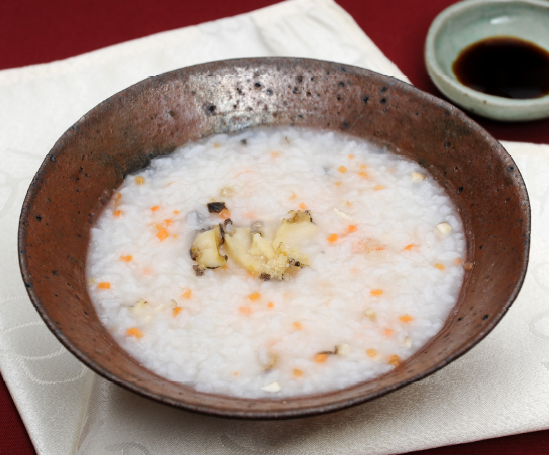
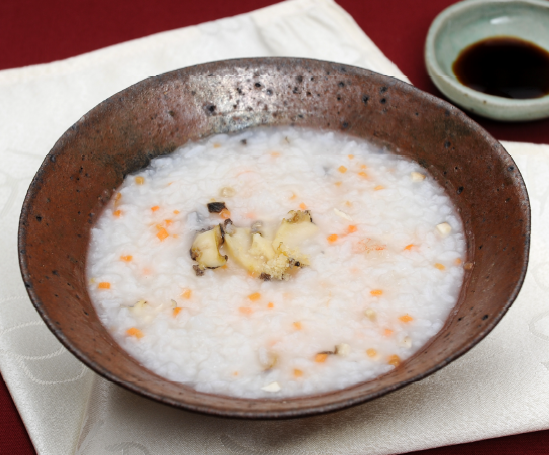
Jeonbokjuk (Abalone Porridge) is a revered and nutrient-dense Korean dish, celebrated for its restorative properties. This guide, based on official MFDS (Ministry of Food and Drug Safety) data, offers an authentic Jeonbokjuk recipe, detailing every step to achieve its comforting flavor and impressive health benefits. Mastering how to make Jeonbokjuk brings a piece of Korean heritage to your table.
## Practical Tips for Jeonbokjuk
1. **Rice Preparation:** Soaking Ssal (rice) for at least 30 minutes (or overnight) is crucial. This reduces cooking time and creates a smooth, creamy porridge.
2. **Abalone Guts:** Don’t discard abalone (Jeonbok) guts! Mince or blend them. Adding these back during sautéing imparts a beautiful green hue and deeper umami, a “Mom’s tip” for authentic taste.
3. **Gentle Stirring:** Once water is added, stir frequently but gently to prevent sticking and ensure even cooking and creamy texture.
4. **Low Heat Simmering:** After boiling, reduce heat to low. A slow, consistent simmer allows rice to break down gradually and absorb flavors without clumping.
## The History of Jeonbokjuk
Jeonbokjuk holds a special place in Korean culinary history. Originating from coastal regions like Jeju Island, it was traditionally considered a dish for royalty, often served to kings and queens for health and longevity. It became a staple for those needing to regain strength, such as new mothers or individuals recovering from illness, underscoring its enduring role as a comforting, nourishing traditional Korean food.
## Jeonbokjuk Nutrition Facts
Based on official MFDS (Ministry of Food and Drug Safety) data, one serving provides:
* **Calories:** 225.9 kcal
* **Carbohydrates:** 25.8 g
* **Protein:** 12.8 g
* **Fats:** 8.1 g
* **Sodium:** 172.5 mg
This makes Jeonbokjuk an excellent choice for a light yet satisfying meal, rich in lean protein and essential nutrients.
## Key Ingredients
To prepare authentic Jeonbokjuk, gather these precise ingredients (based on MFDS):
* Ssal (Rice): 50g (short-grain white)
* Jeonbok (Abalone): 50g (fresh or thawed)
* Saeusal (Shrimp meat): 20g (peeled, deveined)
* Yangsong-i (Button mushrooms): 20g (finely diced)
* Danggeun (Carrot): 10g (finely diced)
* Chamgireum (Sesame oil): 10g
* Jat (Pine nuts): 10g (garnish, optional)
* Water: Approx. 500-600ml (adjust for consistency)
**For the Sauce:**
* Jeoyeom Ganjang (Low-sodium soy sauce): 5g
**Substitutes:** Scallops can substitute abalone. Any mild mushroom can substitute Yangsong-i.
## How to Make Jeonbokjuk: Step-by-Step
Follow these steps for delicious and nourishing Jeonbokjuk:
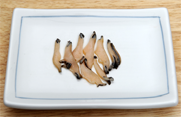
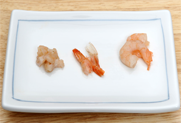
1. **Prepare Ingredients:** Rinse Ssal and soak for 30 minutes, then drain. Clean Jeonbok: remove from shell, discard mouth/intestines (or save guts), thinly slice meat. Dice Saeusal, Yangsong-i, and Danggeun small.
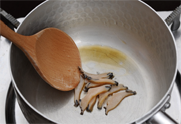
2. **Sauté Aromatics & Seafood:** In a medium pot, heat Chamgireum over medium heat. Add sliced Jeonbok (and minced guts, if using), Saeusal, Yangsong-i, and Danggeun. Sauté 2-3 minutes until seafood changes color and vegetables soften.
3. **Add Rice & Water:** Add drained Ssal. Stir-fry 2 minutes to coat grains. Pour in about 500ml water. Bring to a boil.
4. **Simmer to Perfection:** Reduce heat to low, partially cover. Simmer 30-40 minutes, stirring every 5-7 minutes to prevent sticking. Add more water (up to 100ml) if too thick. Porridge is ready when rice grains burst and it’s thick and creamy.
5. **Serve:** Ladle hot Jeonbokjuk into bowls. Garnish with Jat if desired. Serve immediately with Jeoyeom Ganjang on the side for seasoning. Enjoy this comforting Korean food!
## Frequently Asked Questions
**Q: Can I prepare Jeonbokjuk in advance?**
A: Yes, store in an airtight container in the refrigerator for up to 2-3 days. Reheat gently on the stovetop over low heat, adding water or broth to restore consistency.
**Q: What if I don’t have fresh abalone?**
A: High-quality canned or frozen abalone can be used (thaw frozen). For canned, drain liquid. Large scallops offer a similar sweet, tender seafood component, though it won’t be authentic Jeonbokjuk.
📸 Recipe Gallery
📺 For reference, here’s a recommended YouTube video related to “전복죽”.
📹 Video sourced via YouTube. All rights belong to the respective creator.