The Complete Guide to Authentic Samgyeopsalbuchujjim: A Korean Kitchen Masterclass
🇰🇷 The recipe below is based on official Korean MFDS (Ministry of Food and Drug Safety) data.
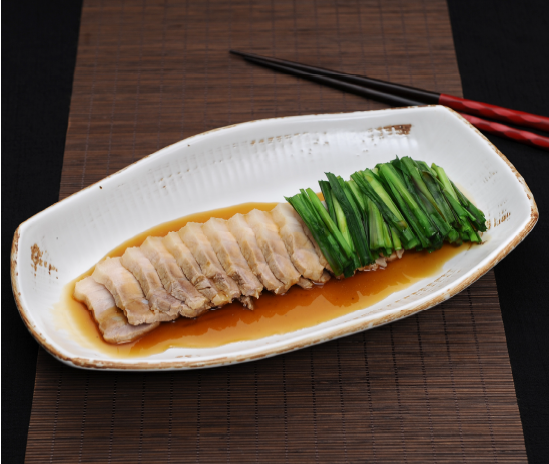
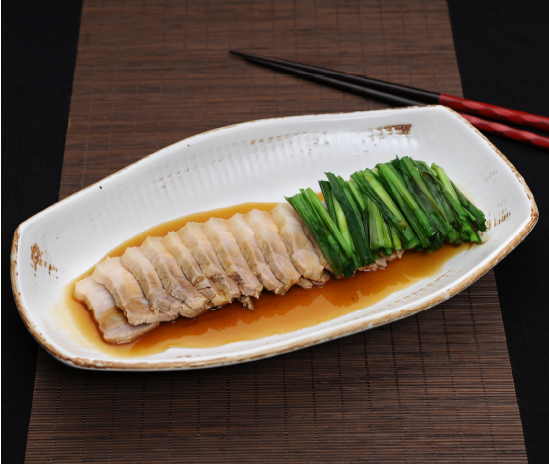
This guide to preparing authentic Samgyeopsalbuchujjim (Steamed Pork Belly with Chives) is based on official MFDS (Ministry of Food and Drug Safety) data, ensuring a reliable and nutritious culinary experience. Samgyeopsalbuchujjim is a delightful and healthy Korean dish featuring tender, steamed pork belly paired with aromatic chives and a savory, tangy sauce. This article will teach you how to make Samgyeopsalbuchujjim, providing a detailed recipe with clear steps and expert tips for a perfect meal.
Nutrition Profile
Based on official MFDS data, a single serving of Samgyeopsalbuchujjim provides a balanced nutritional intake:
* **Calories:** 656.6 kcal
* **Protein:** 33.3 g
* **Fat:** 50.8 g
* **Carbohydrates:** 15.5 g
* **Sodium:** 554.8 mg
The Story of Samgyeopsalbuchujjim
Samgyeopsalbuchujjim embodies the Korean culinary philosophy of balancing flavors and ingredients for health benefits. While Samgyeopsal (pork belly) is famously grilled, steaming offers a lighter, less greasy alternative, allowing its natural sweetness to shine. The addition of buchu (Korean chives) is not merely for taste; in traditional Korean cuisine, chives are valued for their purported ability to aid digestion and complement rich meats like pork, creating a harmonious and refreshing pairing. This dish is often enjoyed as a comforting home-style meal, a testament to its simple yet profound flavors that resonate deeply within Korean food culture.
Essential Ingredients for Samgyeopsalbuchujjim
Here’s what you’ll need for this traditional recipe:
**For Steaming the Pork:**
* Samgyeopsal (pork belly): 150g, cut into thick strips
* Saenggang (fresh ginger): 20g, sliced
* Yangpa (onion): 20g, quartered
* Wolgyesuip (bay leaf): 3g
* Tonghuchu (whole black pepper): 5g
* Soju (Korean rice liquor): 10g
* Doenjang (fermented soybean paste): 10g
**For the Chive Garnish:**
* Buchu (Korean chives): 50g, cut into 5cm lengths
* Pyeonmaneul (sliced garlic): 20g
* Honggochu (red chili pepper): 10g, thinly sliced for garnish
**For the Savory Sauce:**
* Jeoyeomganjang (low-sodium soy sauce): 20g
* Mul (water): 100g
* Seoltang (sugar): 20g
* Oligodang (oligosaccharide): 20g
* Tonghuchu (whole black pepper): 5g, crushed
* Saenggang (fresh ginger): 10g, finely grated
* Mulnokmal (cornstarch slurry): 10g cornstarch mixed with 10g water
Mom’s Tips for Perfect Samgyeopsalbuchujjim
* **Pork Steaming Time:** Do not overcook the pork belly. For 150g, about 20-25 minutes in a vigorous steam is usually sufficient to make it tender without drying it out. A toothpick should easily pierce through.
* **Chive Freshness:** Add the chives and sliced garlic just for the last minute or two of steaming, or simply place them on the serving plate and pour the hot pork and sauce over them. This keeps them vibrant green and slightly crisp, preventing them from becoming soggy.
* **Sauce Balance:** Taste the sauce before thickening. Adjust sugar or soy sauce to your preference. The combination of sweet, savory, and a hint of ginger is key to complementing the rich pork.
How to Make Samgyeopsalbuchujjim
1. **Prepare the Pork Belly:** In a large pot or steamer, add the Samgyeopsal (pork belly), sliced Saenggang (ginger), quartered Yangpa (onion), Wolgyesuip (bay leaf), Tonghuchu (whole black pepper), Soju (Korean rice liquor), and Doenjang (fermented soybean paste). Add enough water to generously cover the pork. Bring to a boil, then reduce heat and simmer, covered, for 20-25 minutes until the pork is tender.
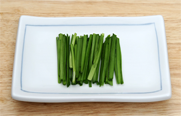
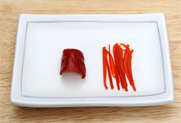
2. **Prepare the Chives and Garnish:** While the pork steams, wash and cut the Buchu (Korean chives) into 5cm lengths. Prepare the Pyeonmaneul (sliced garlic) and thinly slice the Honggochu (red chili pepper) for garnish. Set aside.
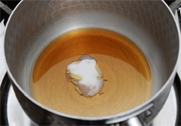
3. **Make the Sauce:** In a small saucepan, combine Jeoyeomganjang (low-sodium soy sauce), Mul (water), Seoltang (sugar), Oligodang (oligosaccharide), crushed Tonghuchu (whole black pepper), and grated Saenggang (ginger). Bring the mixture to a gentle boil, then reduce heat and simmer for 2-3 minutes.
4. **Thicken the Sauce:** Slowly whisk in the Mulnokmal (cornstarch slurry) into the simmering sauce, stirring constantly until it thickens to your desired consistency. Remove from heat.
5. **Finish the Steaming and Serve:** Once the pork is cooked, remove it from the pot and let it rest for a few minutes. Thinly slice the steamed pork belly against the grain. On a serving plate, arrange the fresh Buchu, sliced Pyeonmaneul, and sliced Honggochu. Artfully layer the sliced Samgyeopsal over the chives.
6. **Final Assembly:** Drizzle the warm, thickened sauce generously over the pork and chives. Serve immediately.
Frequently Asked Questions
**Q1: Can I use a different cut of pork for Samgyeopsalbuchujjim?**
A: While Samgyeopsal (pork belly) is traditional and ideal for its tender texture and fat-to-meat ratio, you can substitute it with a lean cut like pork shoulder or even pork loin, though the flavor and texture will be less rich. Ensure longer cooking times for leaner cuts to achieve tenderness.
**Q2: What if I can’t find Korean chives (buchu)?**
A: If buchu is unavailable, you can substitute with regular chives or scallions (spring onions) for a similar visual and aromatic effect. Keep in mind that Korean chives have a slightly stronger, more pungent flavor, so the taste will differ subtly.
📸 Recipe Gallery
📺 For reference, here’s a recommended YouTube video related to “삼겹살부추찜”.
📹 Video sourced via YouTube. All rights belong to the respective creator.